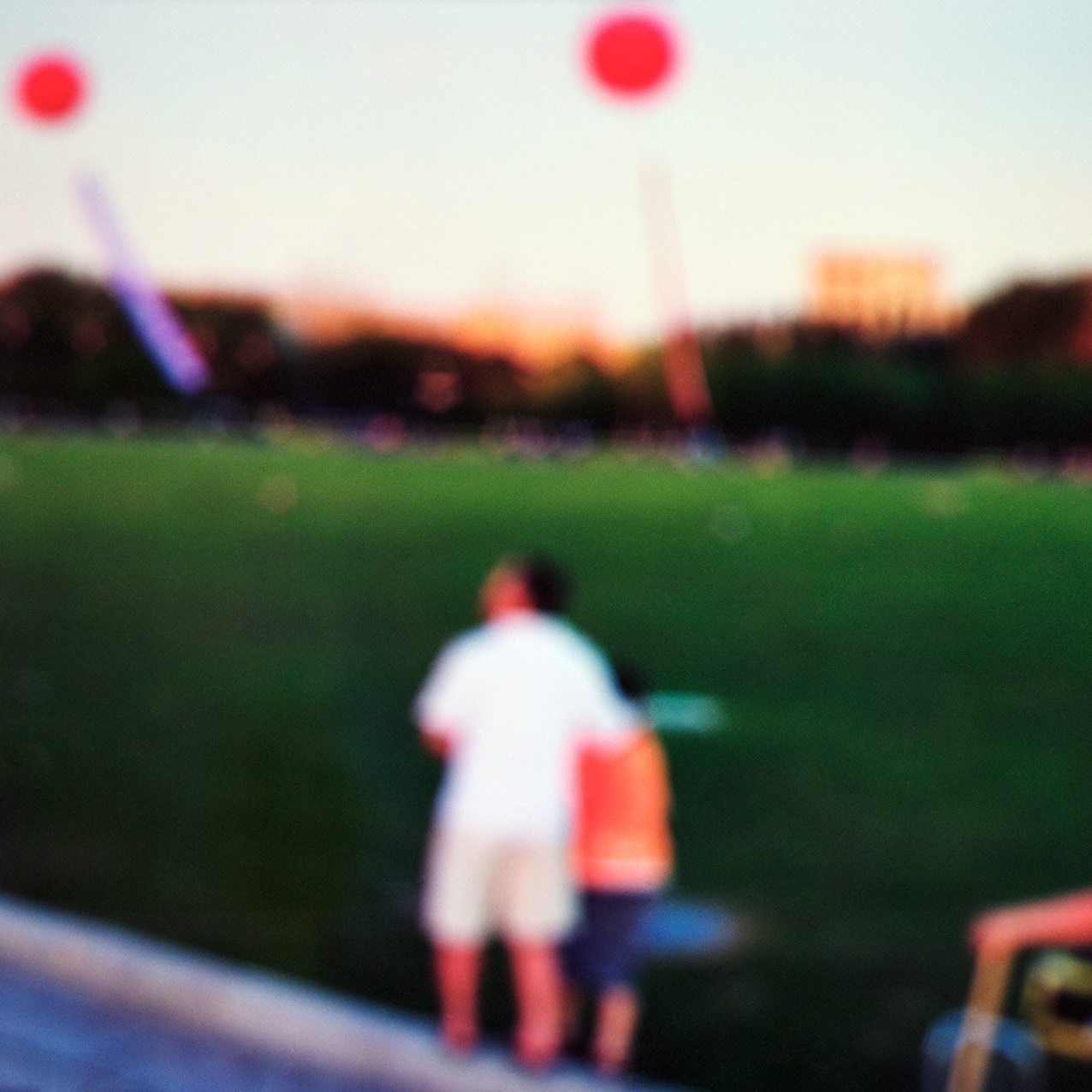
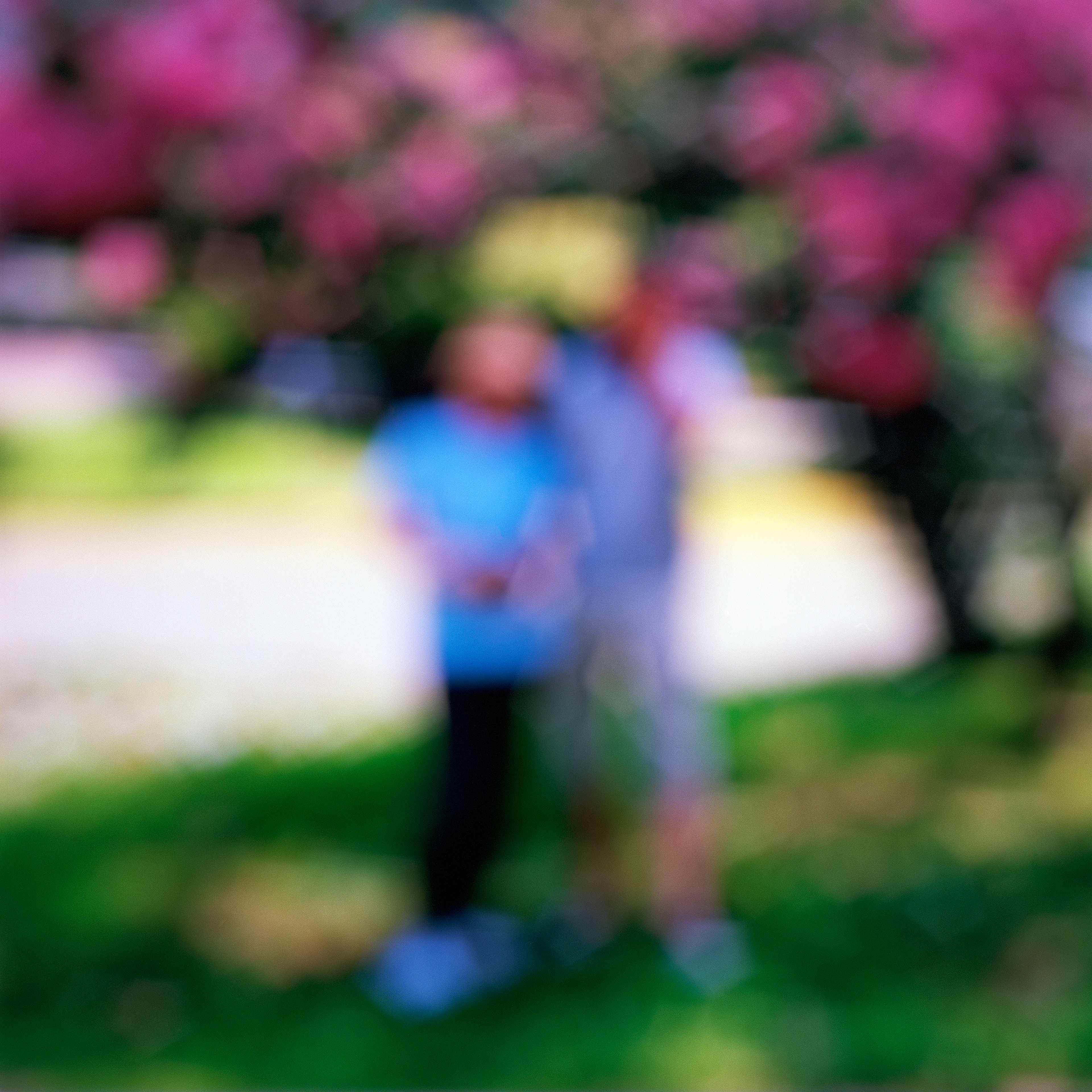
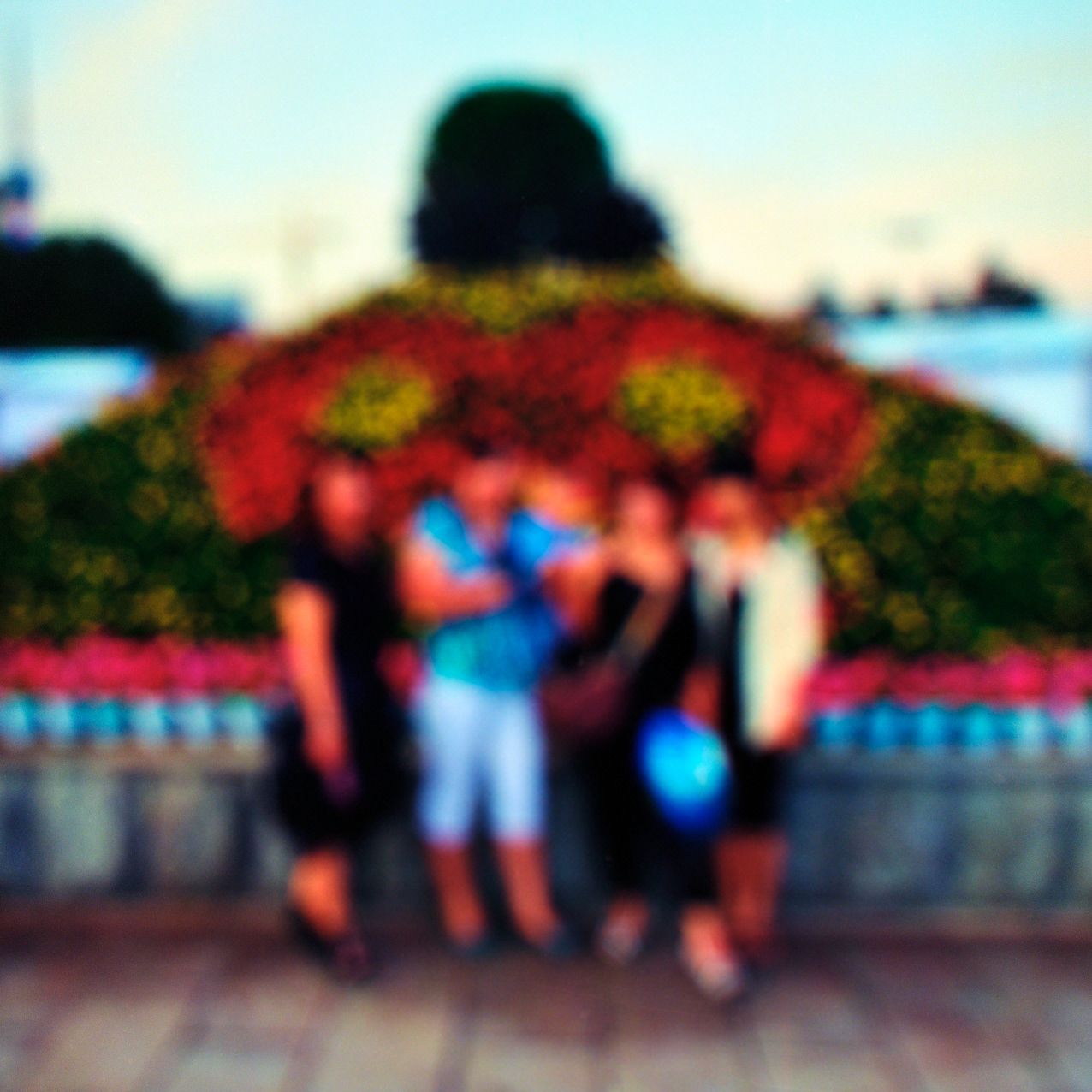
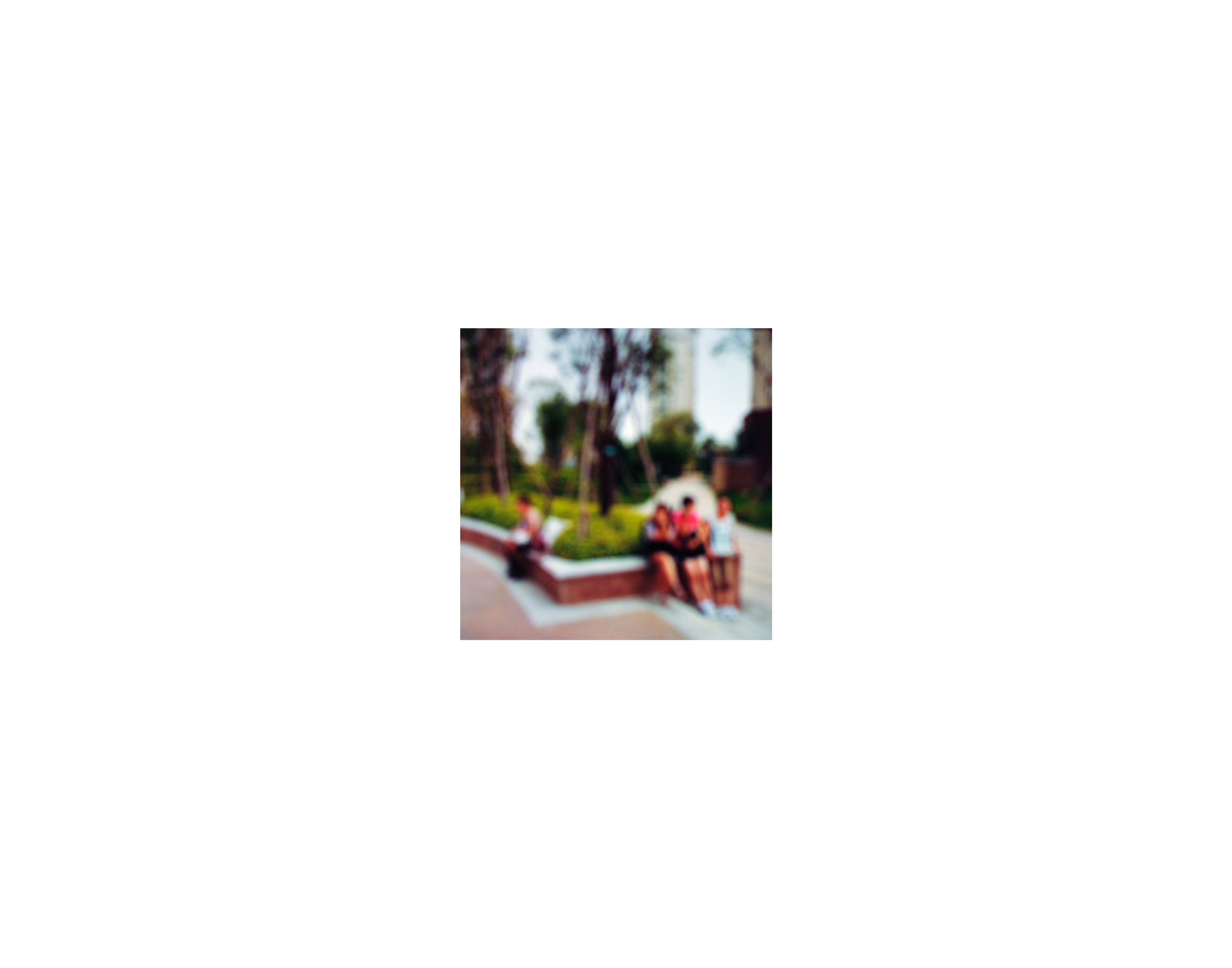
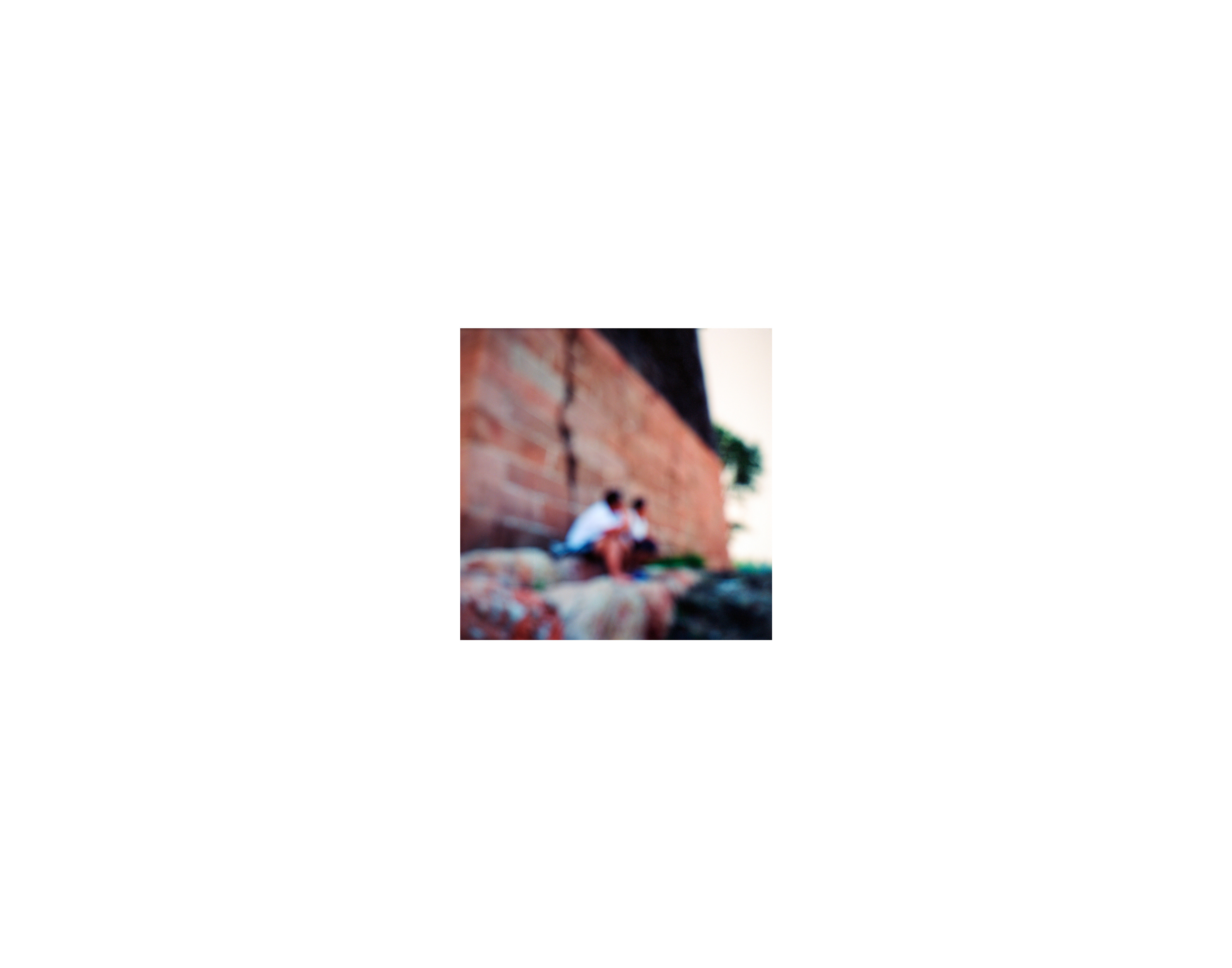
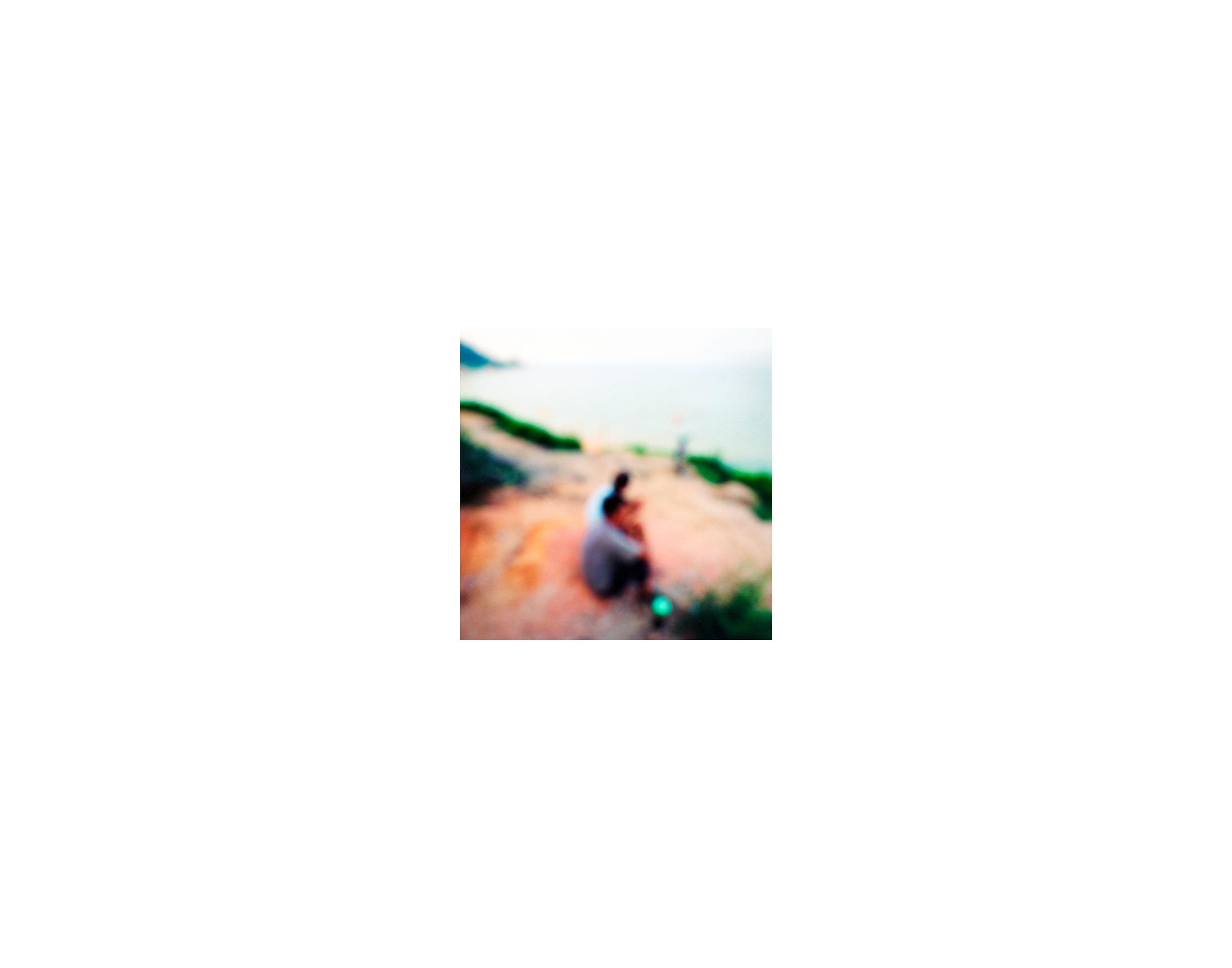
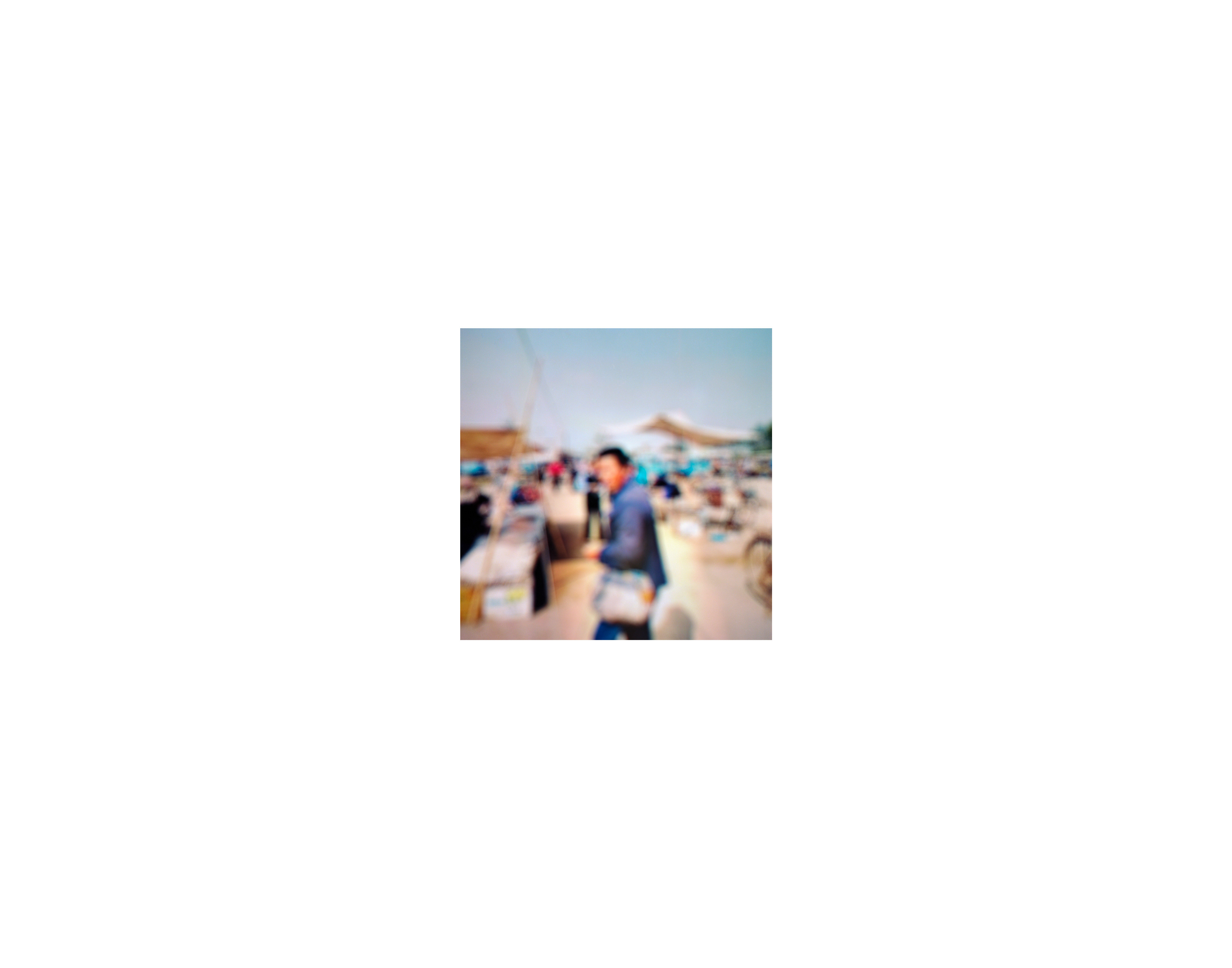
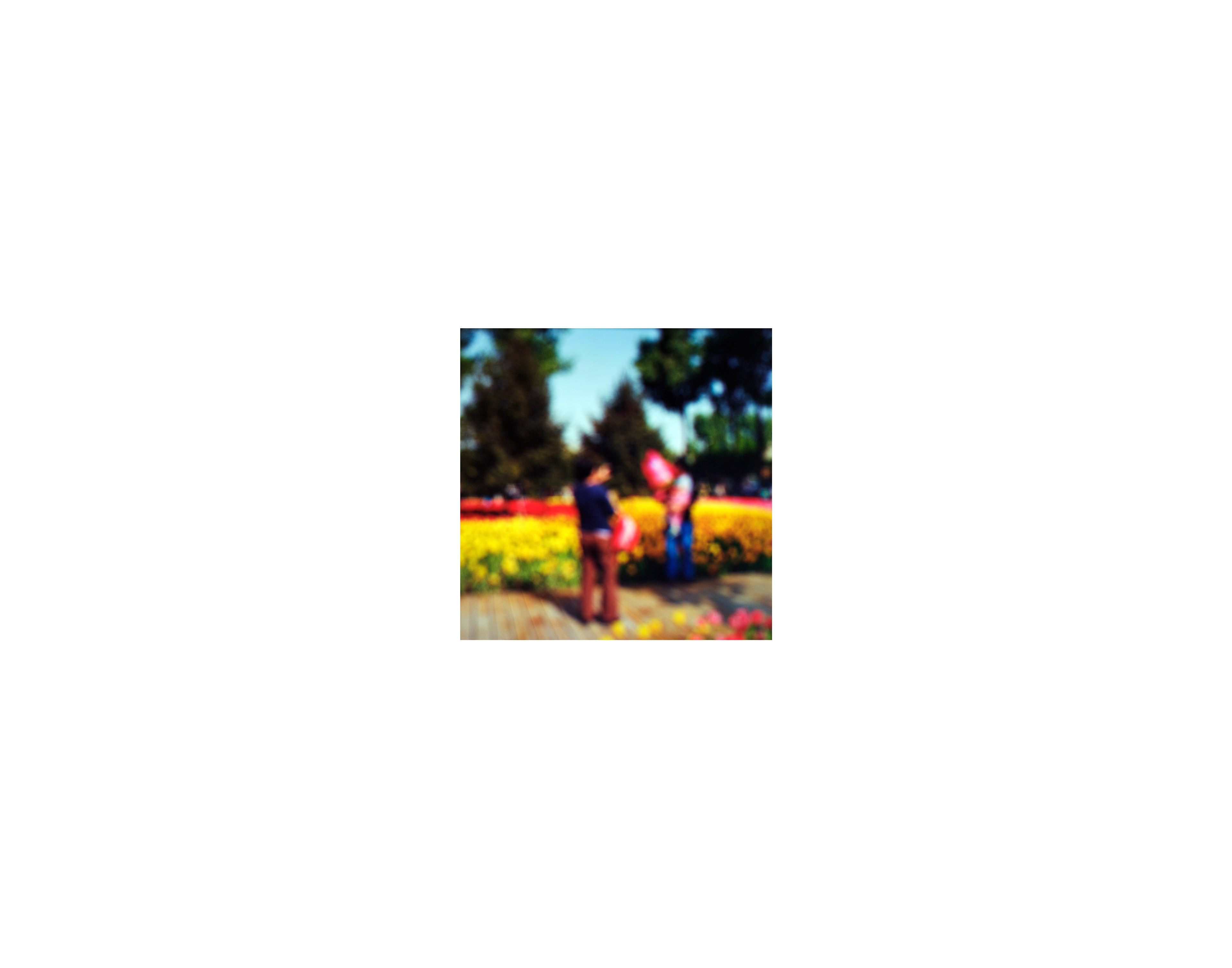
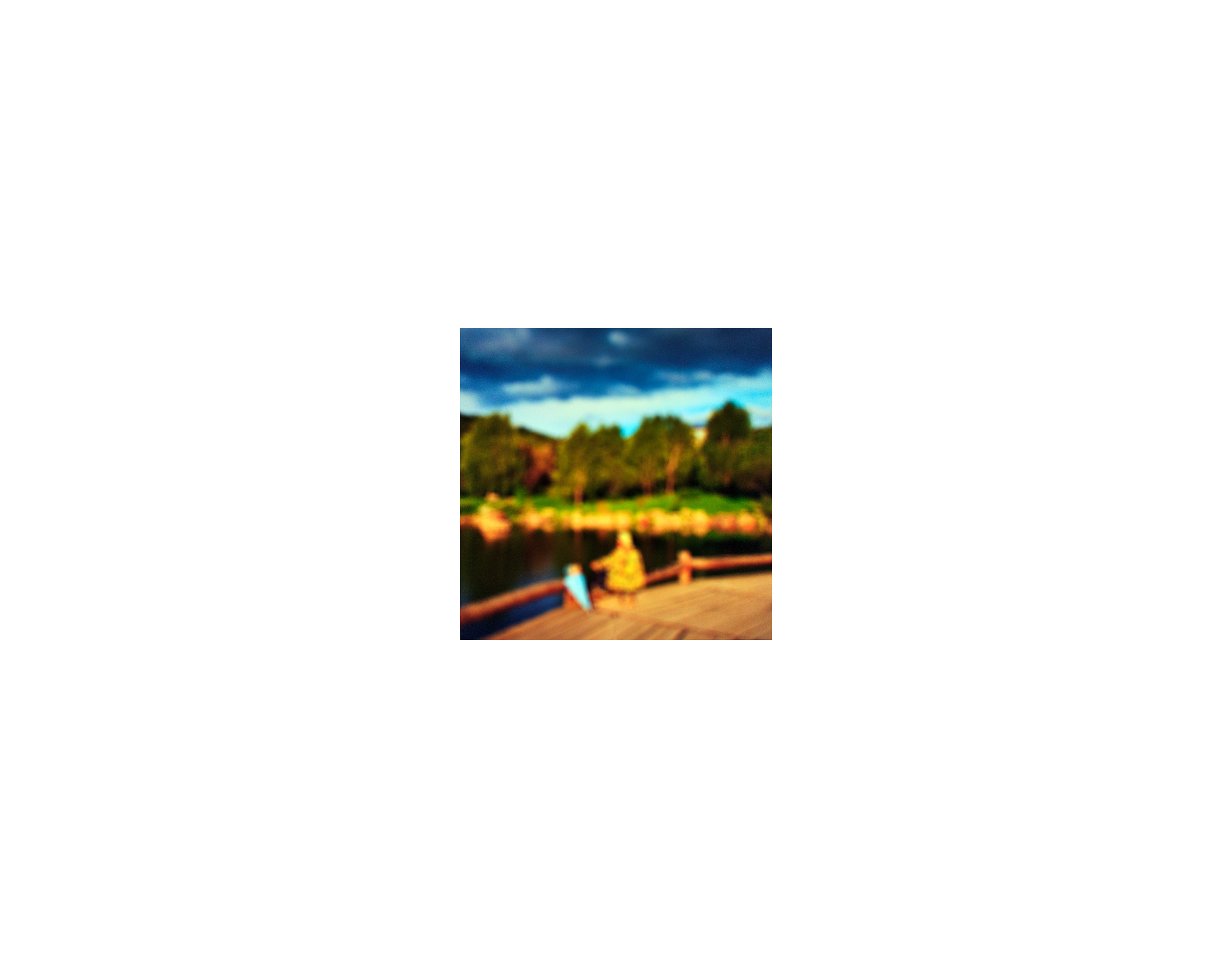
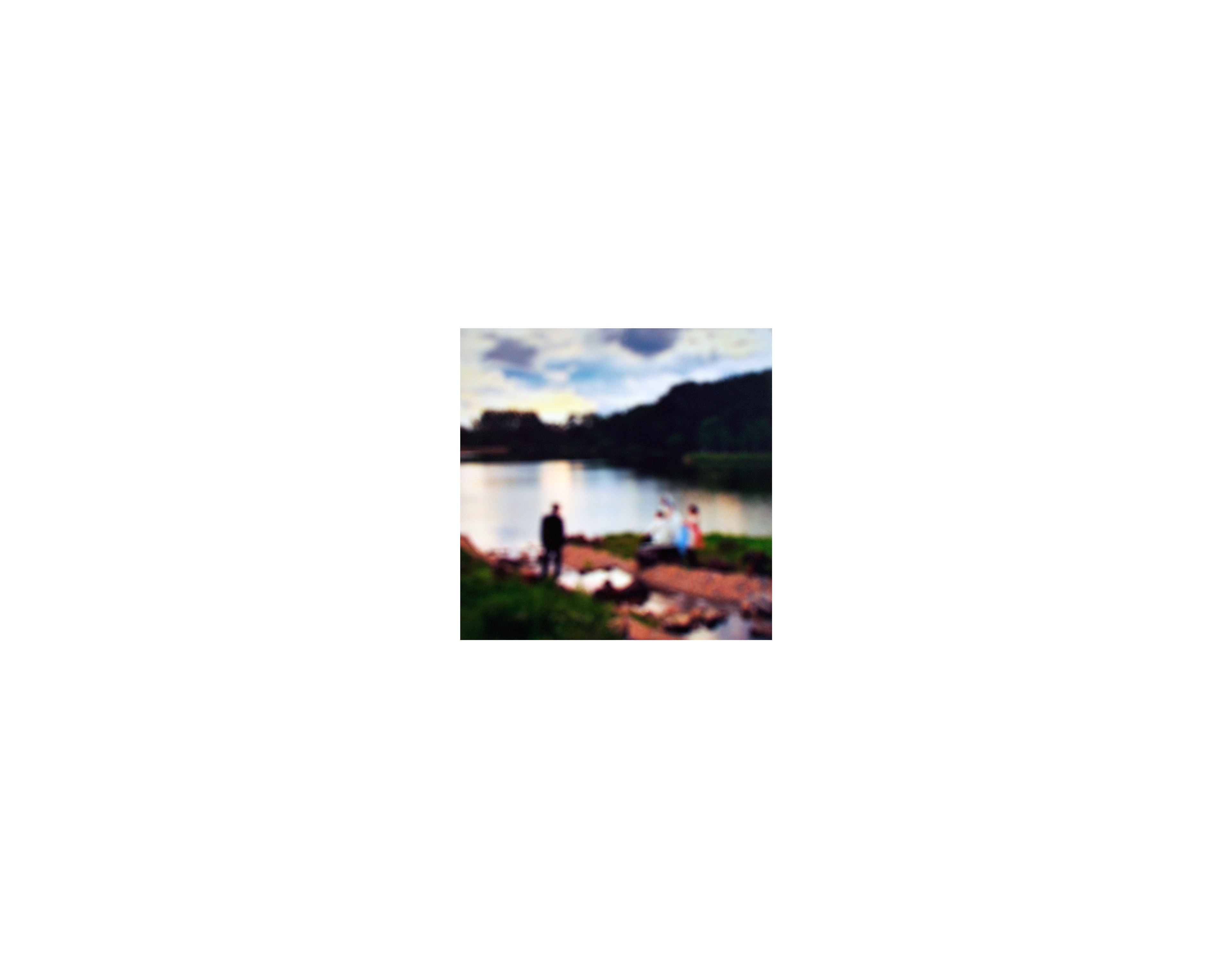
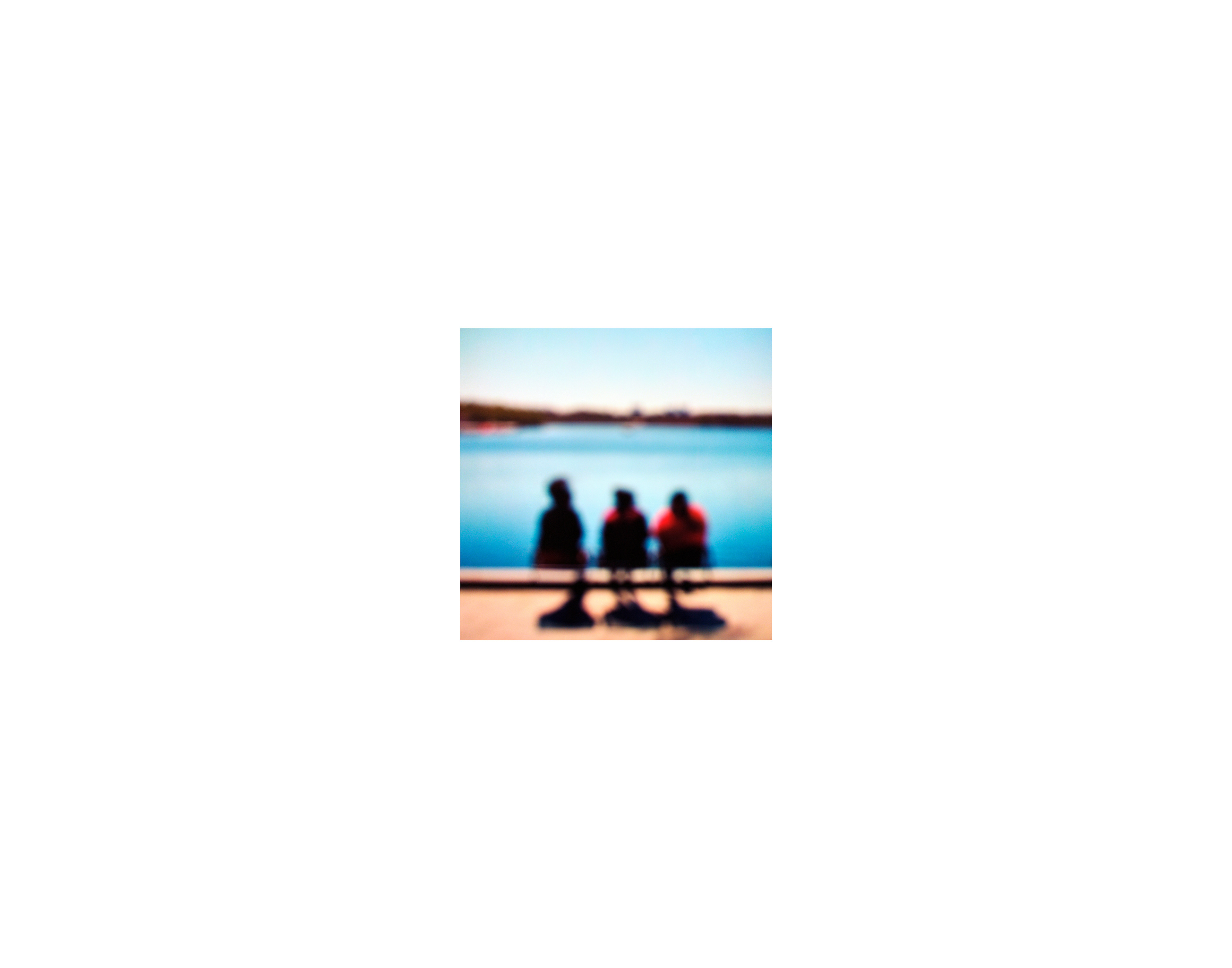
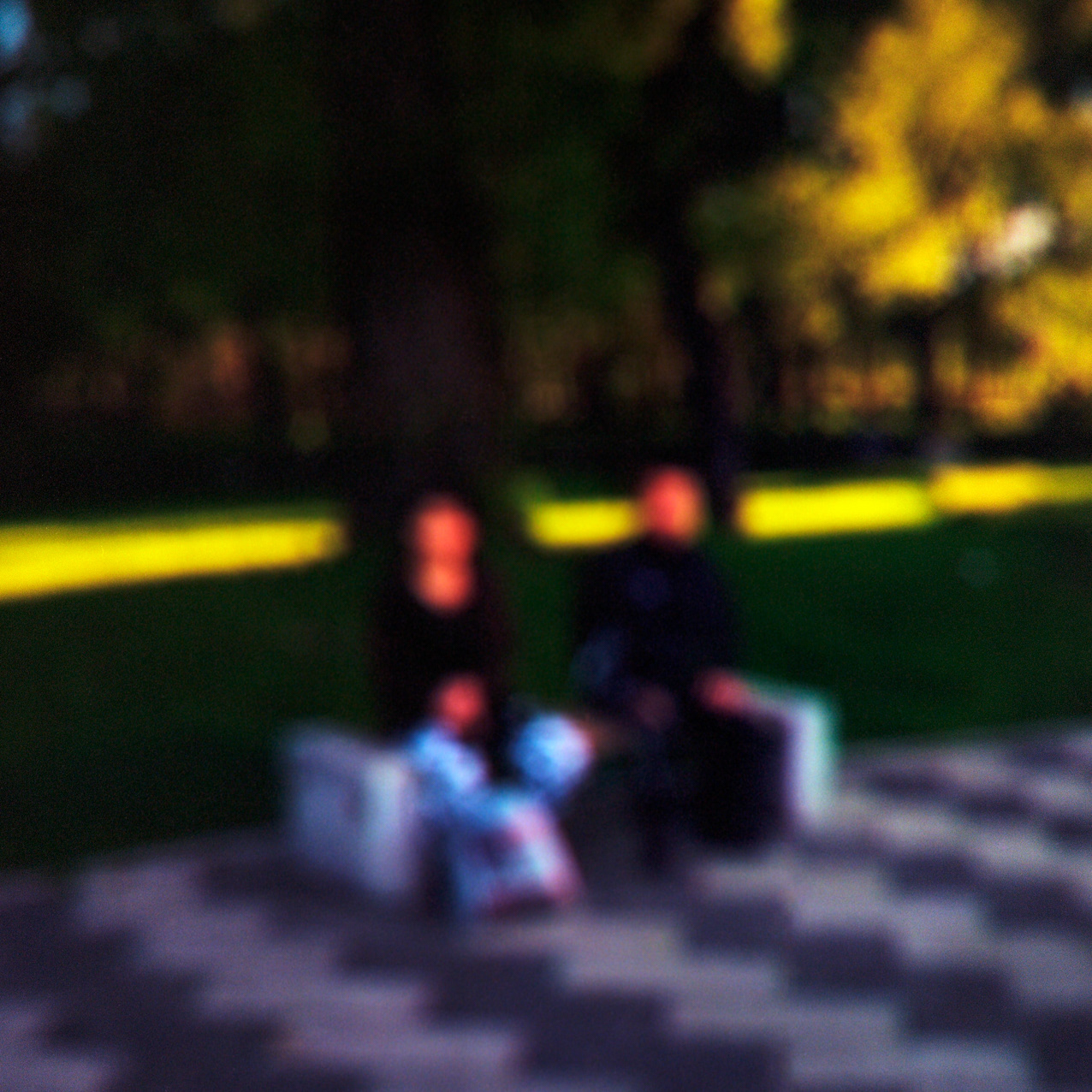
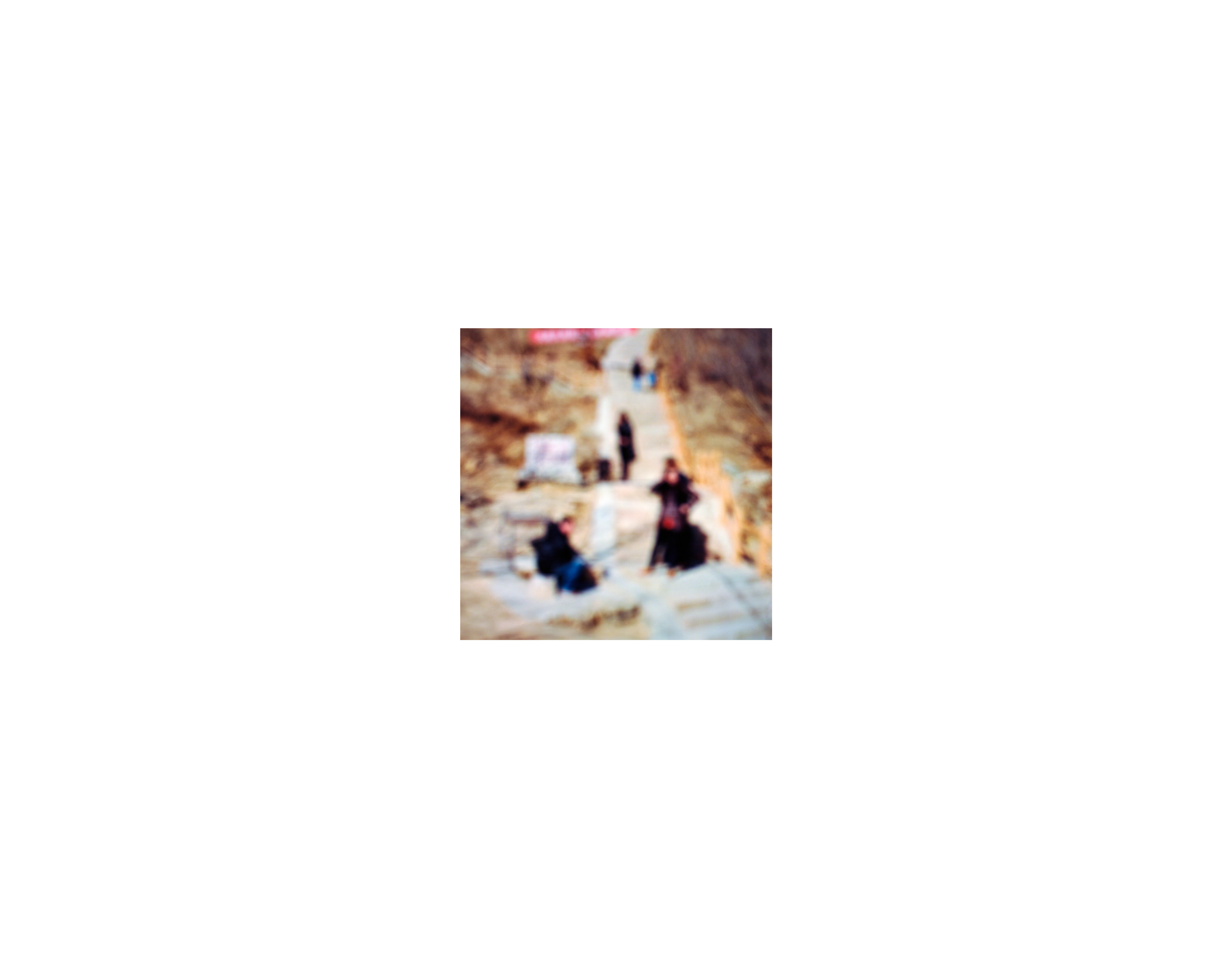
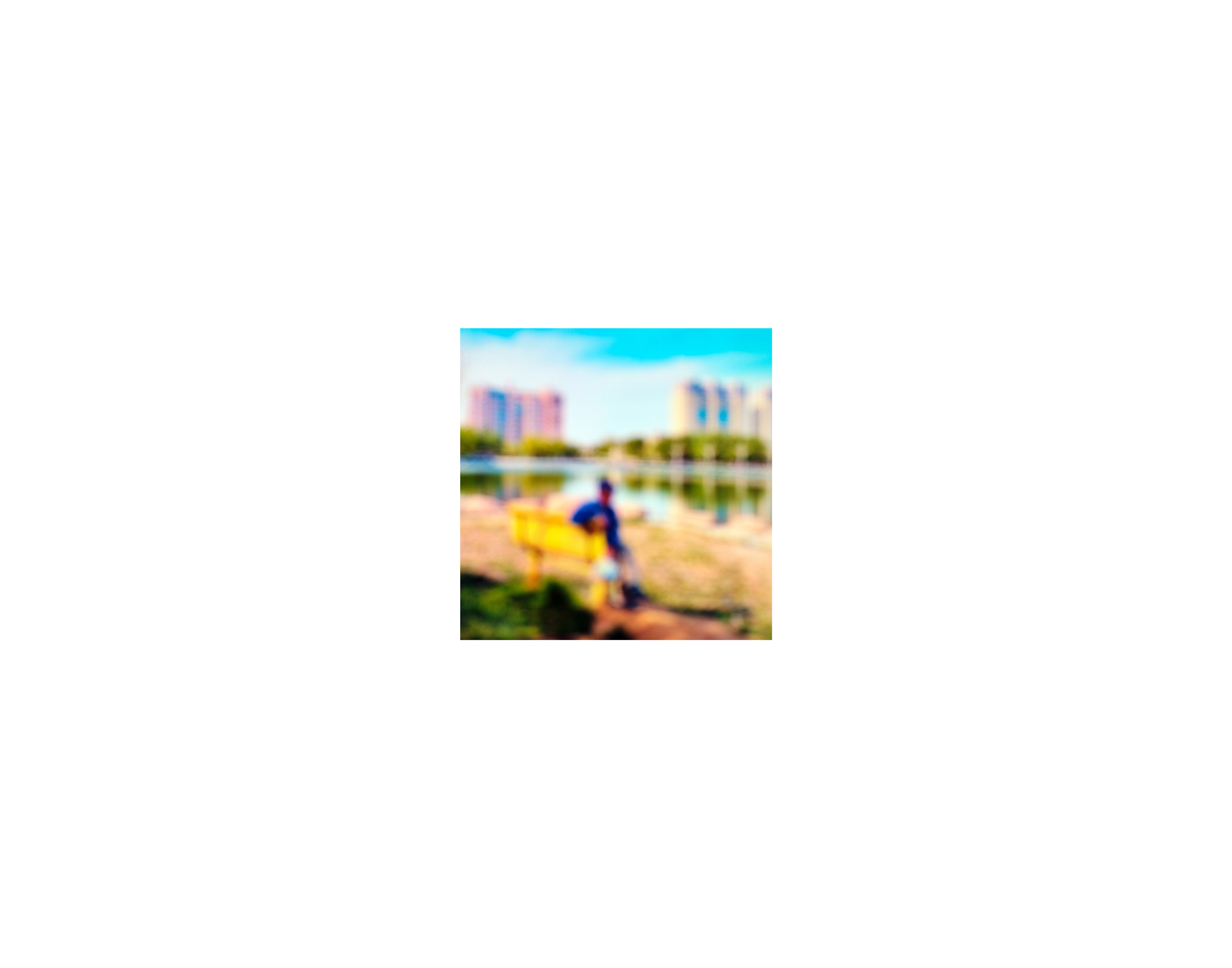
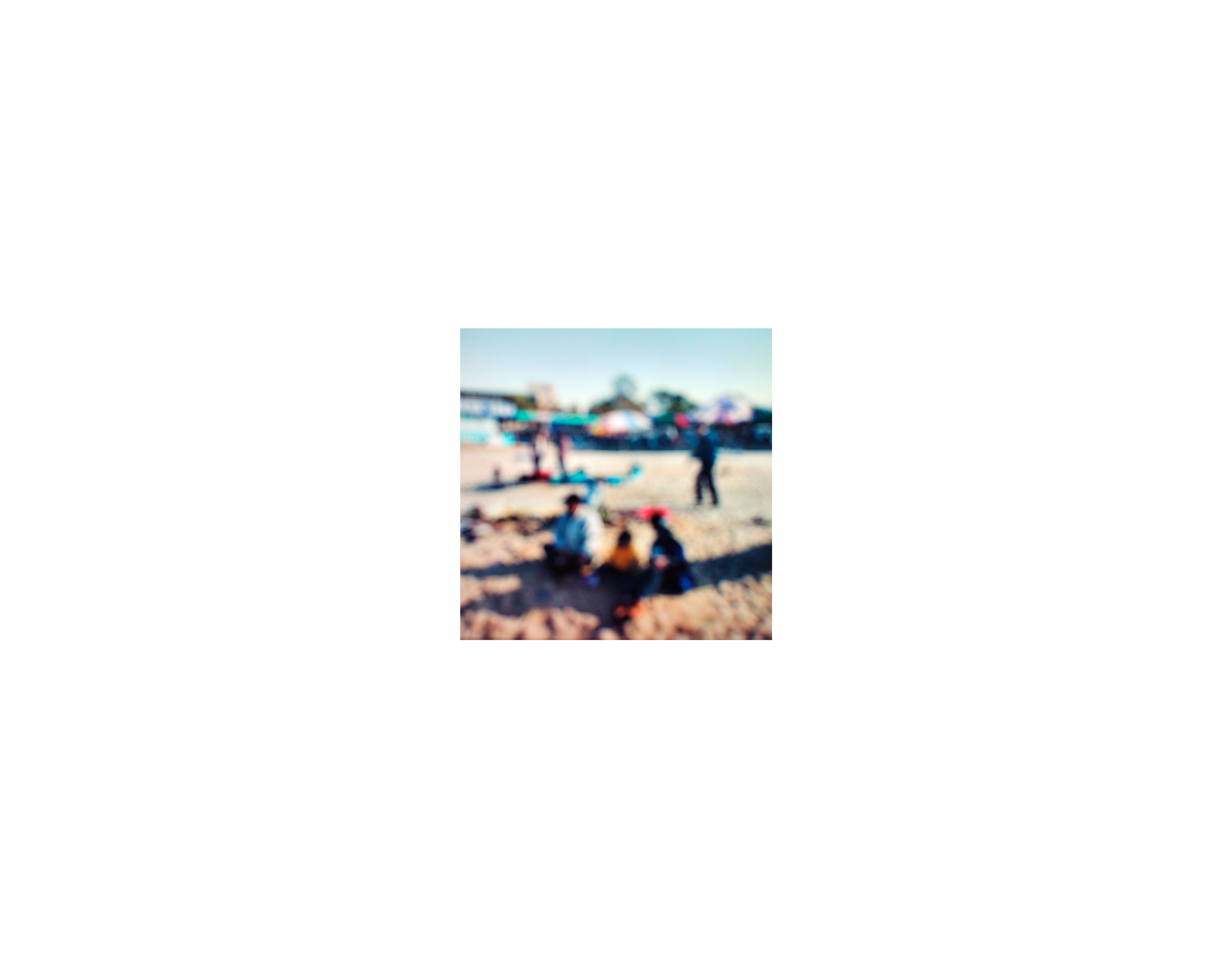
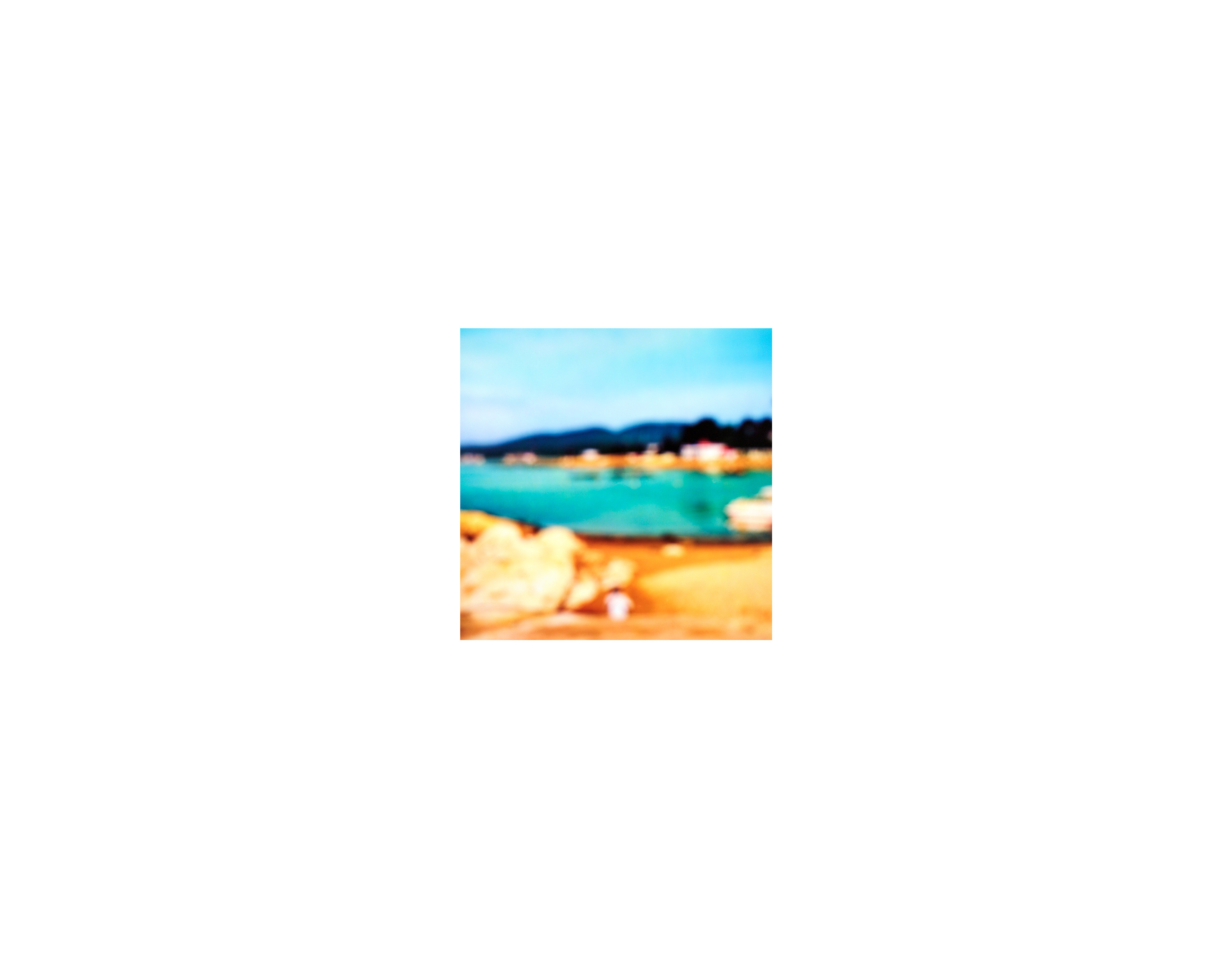
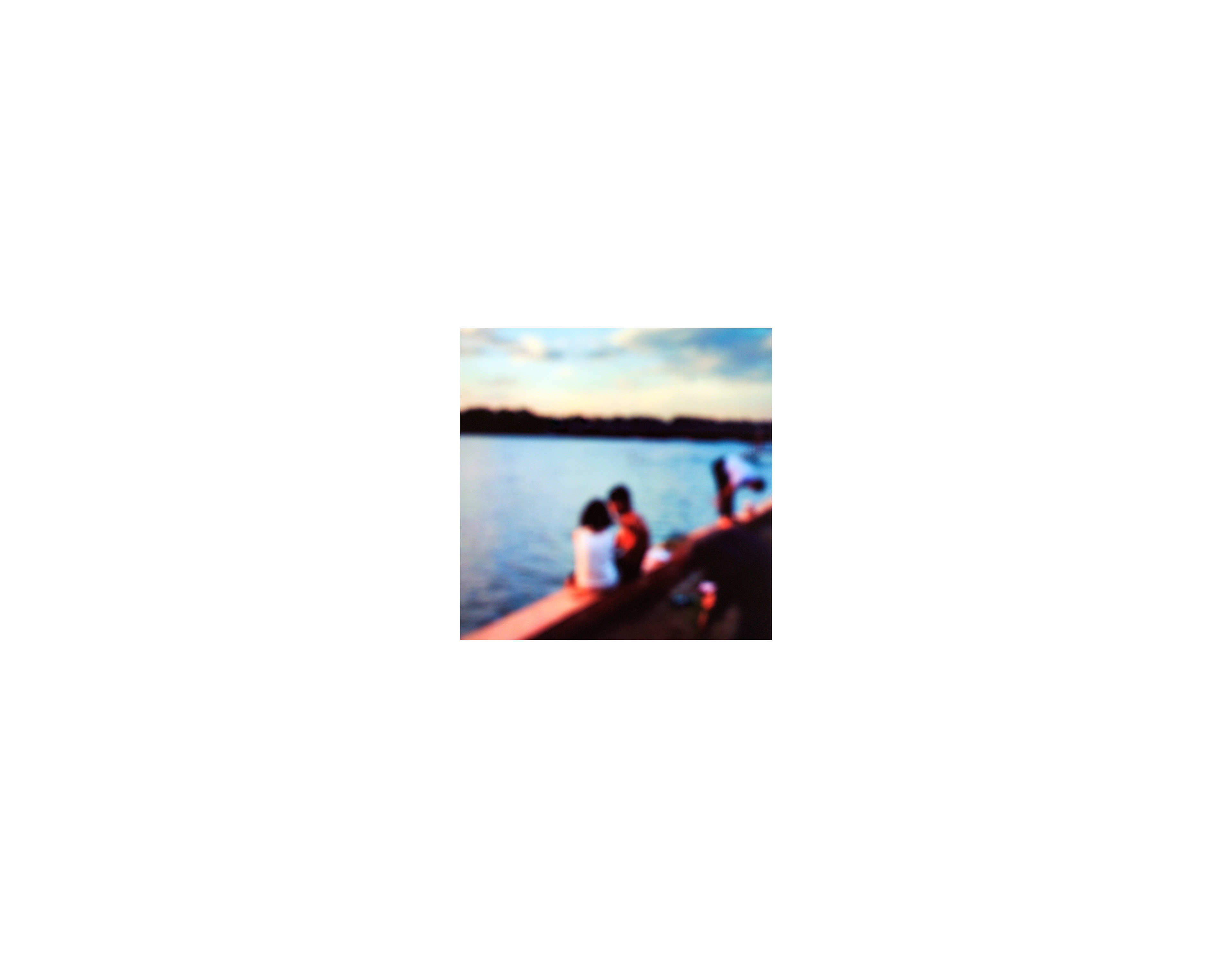
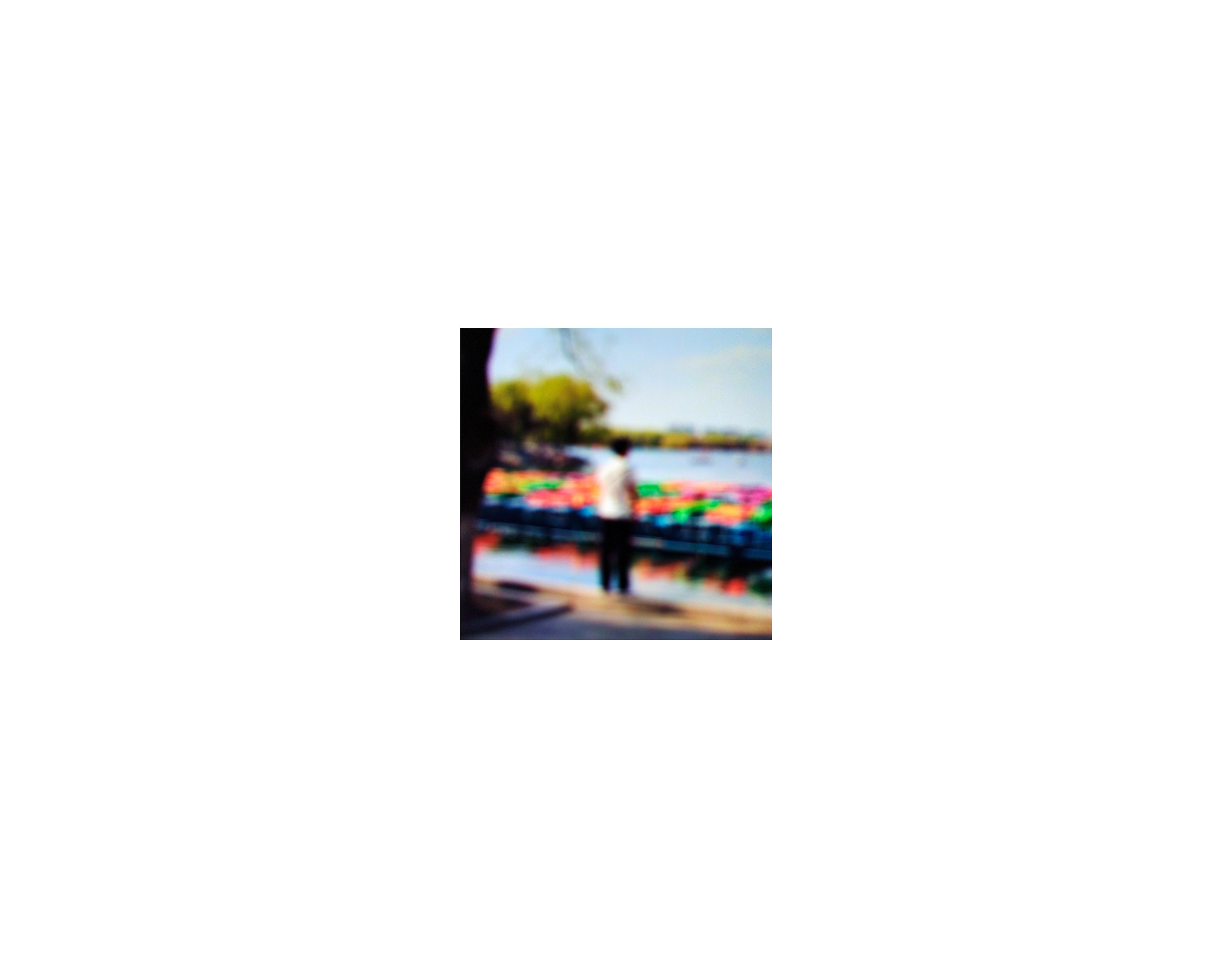
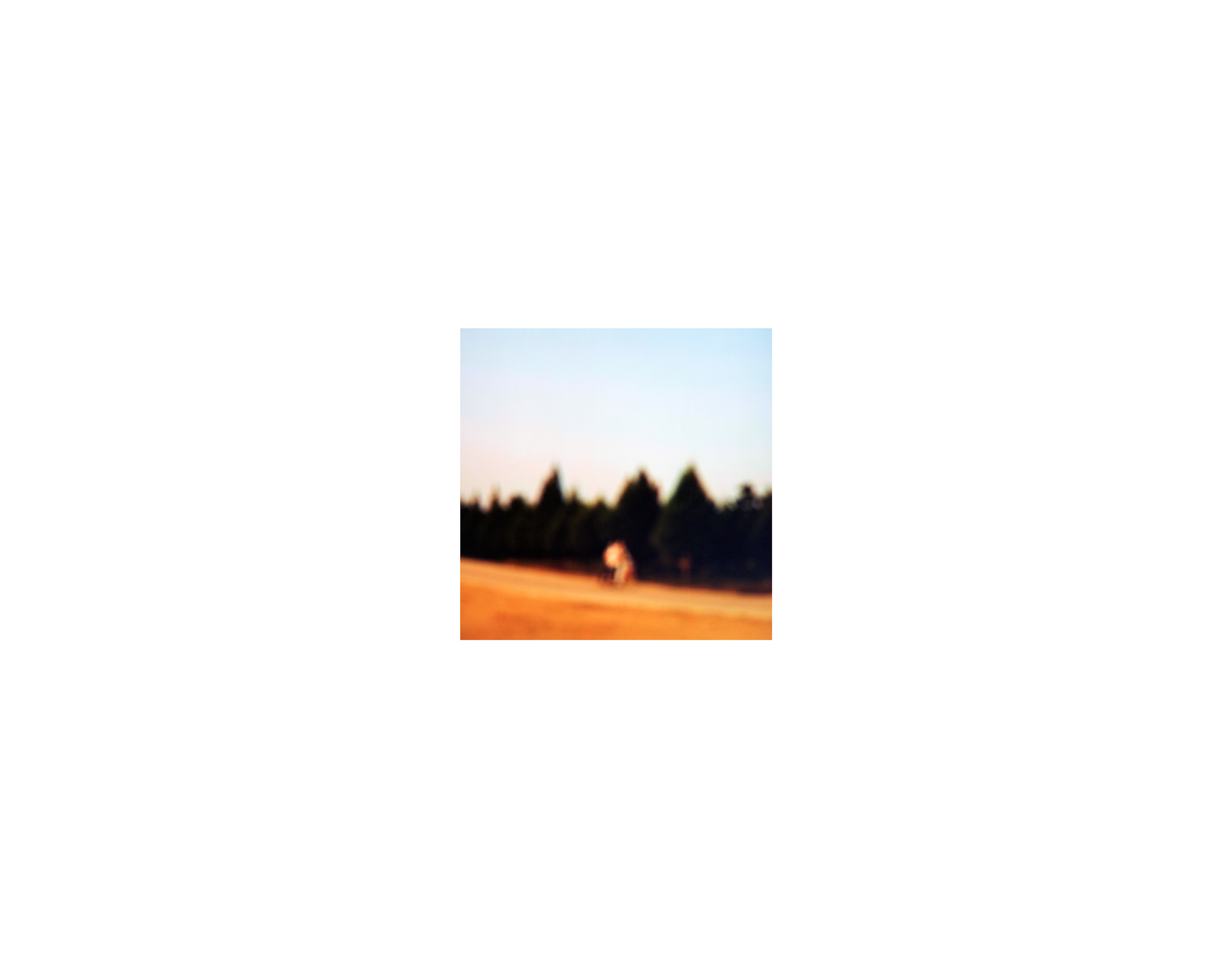
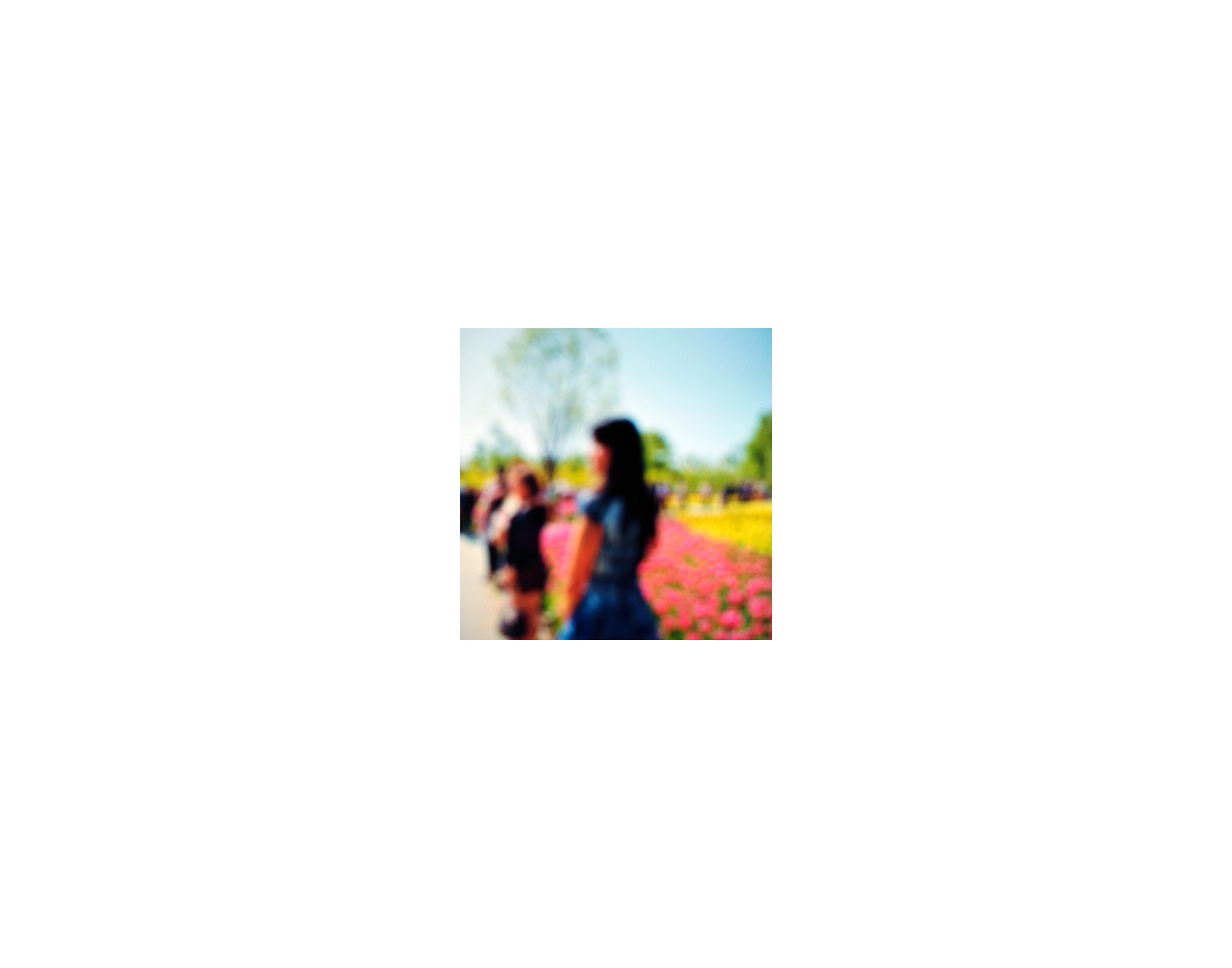
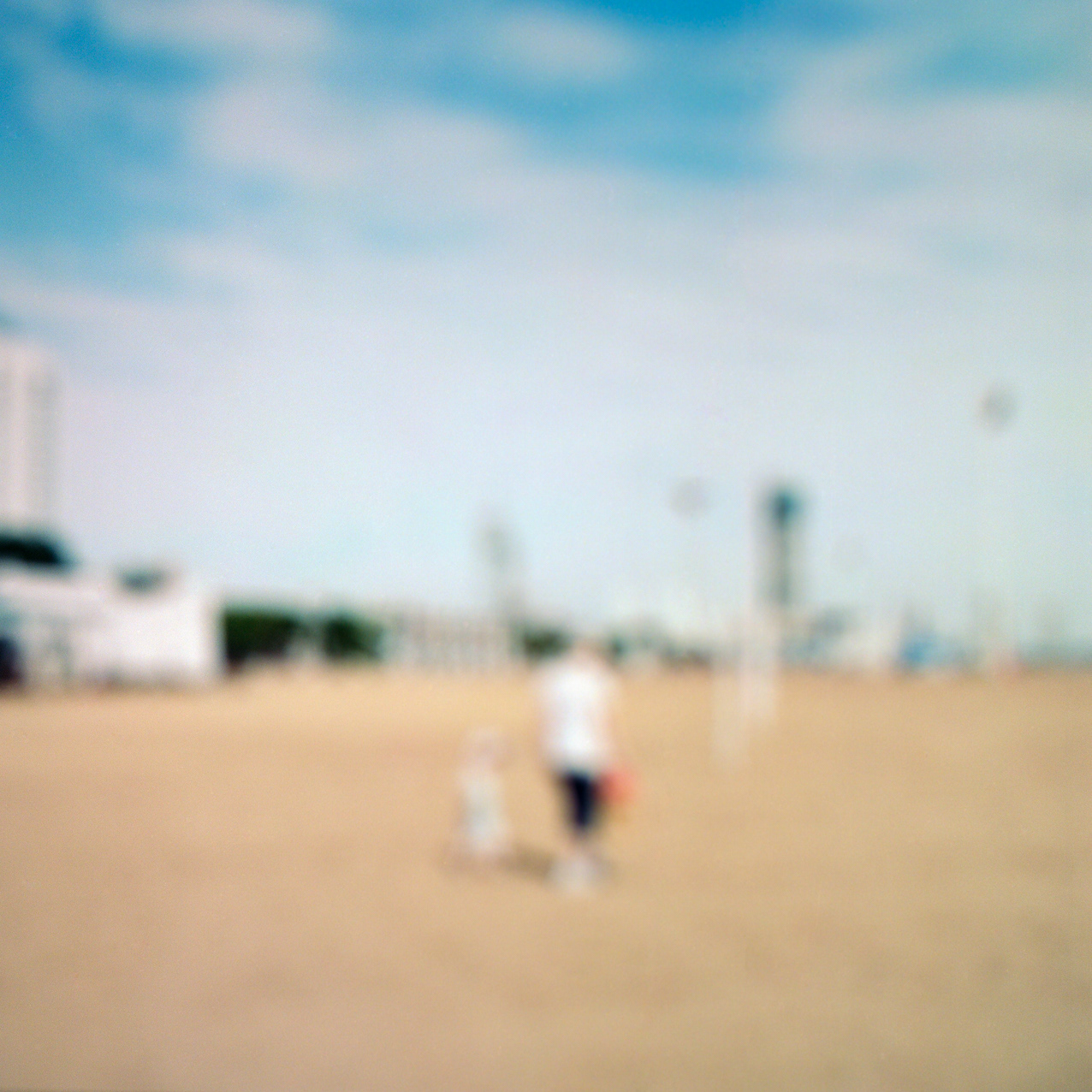
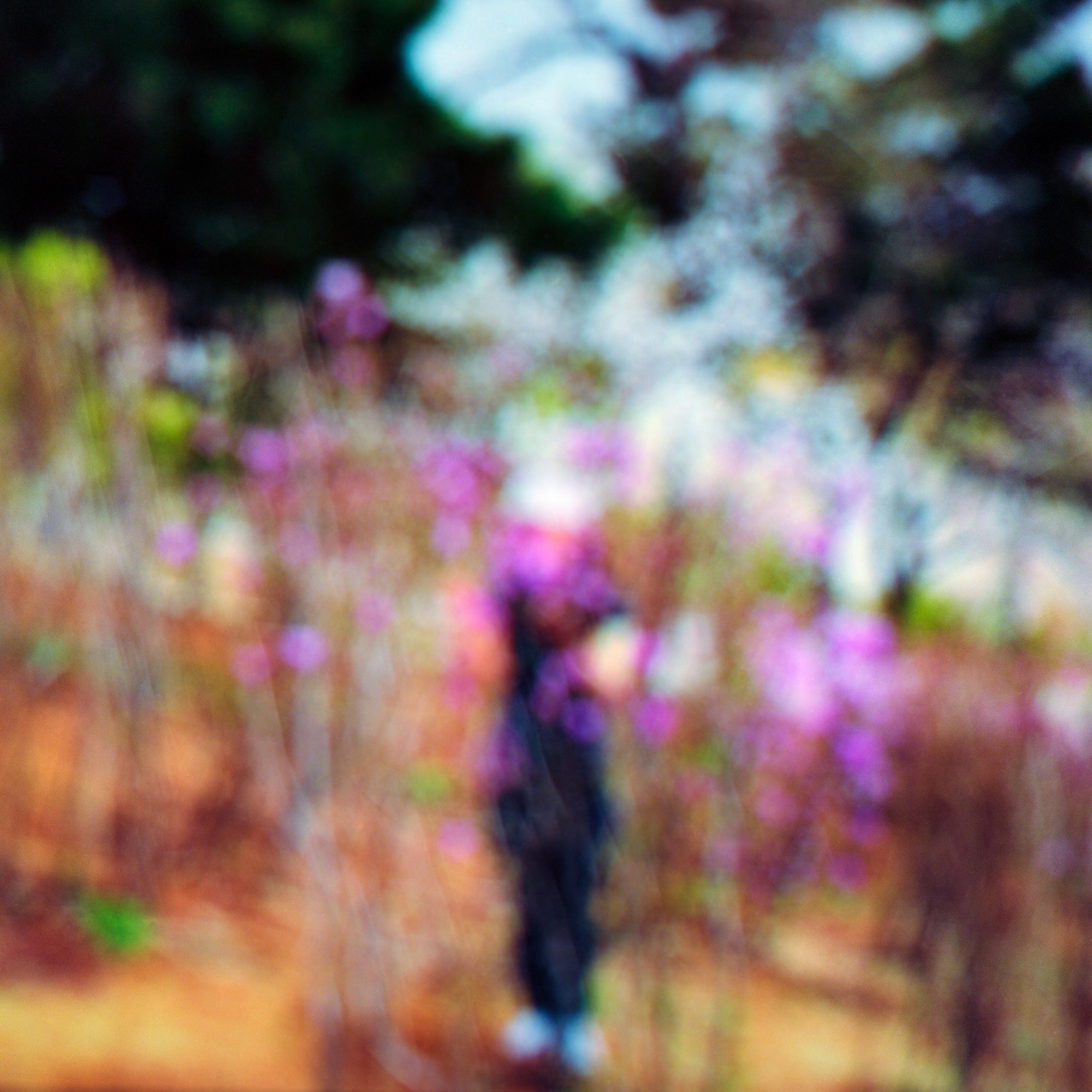
나는 처음보는 것이지만 어디선가 본 듯한 기시감이나 익숙하지만 어딘가 낯설게 느껴지는 위화감에 대해 예민하게 느끼고 그것을 작업으로 표현해왔다. 이번 작업은 두 가지의 경험으로부터 시작됐다. 출입국관리사무소에서 2년간의 군 복무기간 중 다양한 이유로 한국에서의 체류기간연장을 위해 찾아오는 외국인들을 마주했던 경험이 있다. 수 많은 종이들 가운데 인상깊었던 것은 한국에서 지낸 시간들을 증명하기 위해 같이 제출된 사진들이었다. 한국에서의 시간을 보내며 비춰진 그 기억들이 개개인들에겐 너무나도 일상적인 모습이었다. 하지만 한편으론 당연하게 느껴지는 보통의 일상이었기 때문에 알지 못할 위화감이 느껴졌다. 이 위화감에 대해서 고민하고 있을 무렵 인터넷 포털사이트의 로드뷰에서 돌아가신 할머니의 모습을 발견했다. 할머니의 모습은 법적 초상권 때문에 얼굴을 알아볼 수 없게 모자이크가 덧씌워져 있었다. 하지만 아침 찬거리로 나물을 조금 캐어 집으로 돌아오시는 할머니의 모습은 모자이크로 가린다고 하여 가려지지 않았다. 오히려 덧씌워진 모자이크 위로 나의 기억이 더해져 더욱 명확해지고 아련한 모습으로 다가왔다. 덧씌워진 모자이크 속의 애매모호함을 나의 기억으로써 메우고 구체화했던 것이다.
나는 내가 겪었던 이 경험을 하나의 프로세스로 만들었다. 먼저 모호하지만 사람의 공통된 기억과 닮은 이미지들을 인터넷에서 수집하고 모니터 위에 재현했다. 그리고 기억이 형성되는 방식처럼 필름입자들을 기억세포로 생각하고 그 과정을 구현했다. 그런 다음, 타인에게 기억이 전달되는 경로처럼 스캐너를 통해 그 과정을 재현했다. 이러한 과정들을 통한 뒤 이미지들은 왜곡되고 변형되어 불분명하고 모호해진 이미지로써 존재하게 된다. 하지만 내가 겪었던 경험처럼 모호함과 불분명함을 통해 보는 사람의 경험과 기억을 투영하고 환기하며 확장시키면서 선명한 기억으로 거듭나게 된다.
이 작업은 기억의 모호함에서 출발하여 어떻게 기억이 환기되는지 그 과정과 속성에 대해 초점을 두고 있다. 사진을 통해 보고 느낄 수 있는 사람의 기억이란 개인적 성격이 강하다. 그래서 그 기억이 고스란히 타인에게 전달되기란 쉽지 않다. 또한 기억은 생각보다 쉽게 변형되고 사라질 수 있는 임시적인 것이다. 기억이란 개인의 신경 세포 어딘가 숨겨진 채 보존된 상태 그대로 풀려나거나 되살릴 수 있을지 없을지 확실하지 않은, 실재와 비실재 사이 비닐처럼 얇은 막 한 장에 자리잡은 것이다. 이러한 사이공간에서 나의 기억이기도, 누군가의 기억이기도 한 “이름 없는 앨범”은 기억과 기억을 잇는 통로로써 자리하게 된다.
나는 내가 겪었던 이 경험을 하나의 프로세스로 만들었다. 먼저 모호하지만 사람의 공통된 기억과 닮은 이미지들을 인터넷에서 수집하고 모니터 위에 재현했다. 그리고 기억이 형성되는 방식처럼 필름입자들을 기억세포로 생각하고 그 과정을 구현했다. 그런 다음, 타인에게 기억이 전달되는 경로처럼 스캐너를 통해 그 과정을 재현했다. 이러한 과정들을 통한 뒤 이미지들은 왜곡되고 변형되어 불분명하고 모호해진 이미지로써 존재하게 된다. 하지만 내가 겪었던 경험처럼 모호함과 불분명함을 통해 보는 사람의 경험과 기억을 투영하고 환기하며 확장시키면서 선명한 기억으로 거듭나게 된다.
이 작업은 기억의 모호함에서 출발하여 어떻게 기억이 환기되는지 그 과정과 속성에 대해 초점을 두고 있다. 사진을 통해 보고 느낄 수 있는 사람의 기억이란 개인적 성격이 강하다. 그래서 그 기억이 고스란히 타인에게 전달되기란 쉽지 않다. 또한 기억은 생각보다 쉽게 변형되고 사라질 수 있는 임시적인 것이다. 기억이란 개인의 신경 세포 어딘가 숨겨진 채 보존된 상태 그대로 풀려나거나 되살릴 수 있을지 없을지 확실하지 않은, 실재와 비실재 사이 비닐처럼 얇은 막 한 장에 자리잡은 것이다. 이러한 사이공간에서 나의 기억이기도, 누군가의 기억이기도 한 “이름 없는 앨범”은 기억과 기억을 잇는 통로로써 자리하게 된다.
The work began with two experiences. During my two-year military service, the immigration office encountered foreigners who came to Korea to extend their stay in Korea for various reasons. Among the many papers, what impressed me was the photos submitted together to prove the time spent in Korea. The memories reflected in spending time in Korea were too common for individuals. On the other hand, however, it was a normal daily routine that seemed natural, so I felt a sense of incomprehension. While agonizing over this sense of prestige, I found a dead grandmother in Road View, in the Internet portal site. The image of the grandmother was covered with mosaic so that she could not recognize her face because of her legal right to portrait. However, my grandmother, who digs a little bit of vegetables into the cold in the morning, can’t covered by mosaic. On the contrary, my memory was added to the overlaid mosaic, and it came to me more clearly and subtly. The ambiguity in the overlaid mosaic was filled and embodied by my memory. I've turned this experience I've been through into a process. First, ambiguous but similar images were collected from the Internet and reproduced on monitors. And like the way memories are formed, film particles are considered memory cells and the process is implemented. It then reproduced the process through the scanner, like the path through which the memory was transmitted to others. The following images through these processes exist as distorted, unclear and ambiguous images. However, through ambiguity and ambiguity, like the experience I experienced, I become reborn as a vivid memory, projecting, evoking and expanding the viewer's experience and memories. This work begins from the ambiguity of memory and focuses on the process and properties of how memory is evoked. The memory of a person who can see and feel through a picture has a strong personal character. Therefore, it is not easy for the memories to be passed on to others. Memory is also a temporary thing that can be transformed and destroyed more easily than one might think. Memory is placed in a thin sheet of plastic between real and non-real, not sure whether a person's nerve cells can be released or revived as they are, hidden somewhere in the individual's nervous cells. In this space, "Unknown’s album", which is both my memory and someone's memory, becomes a conduit between memory and memory.