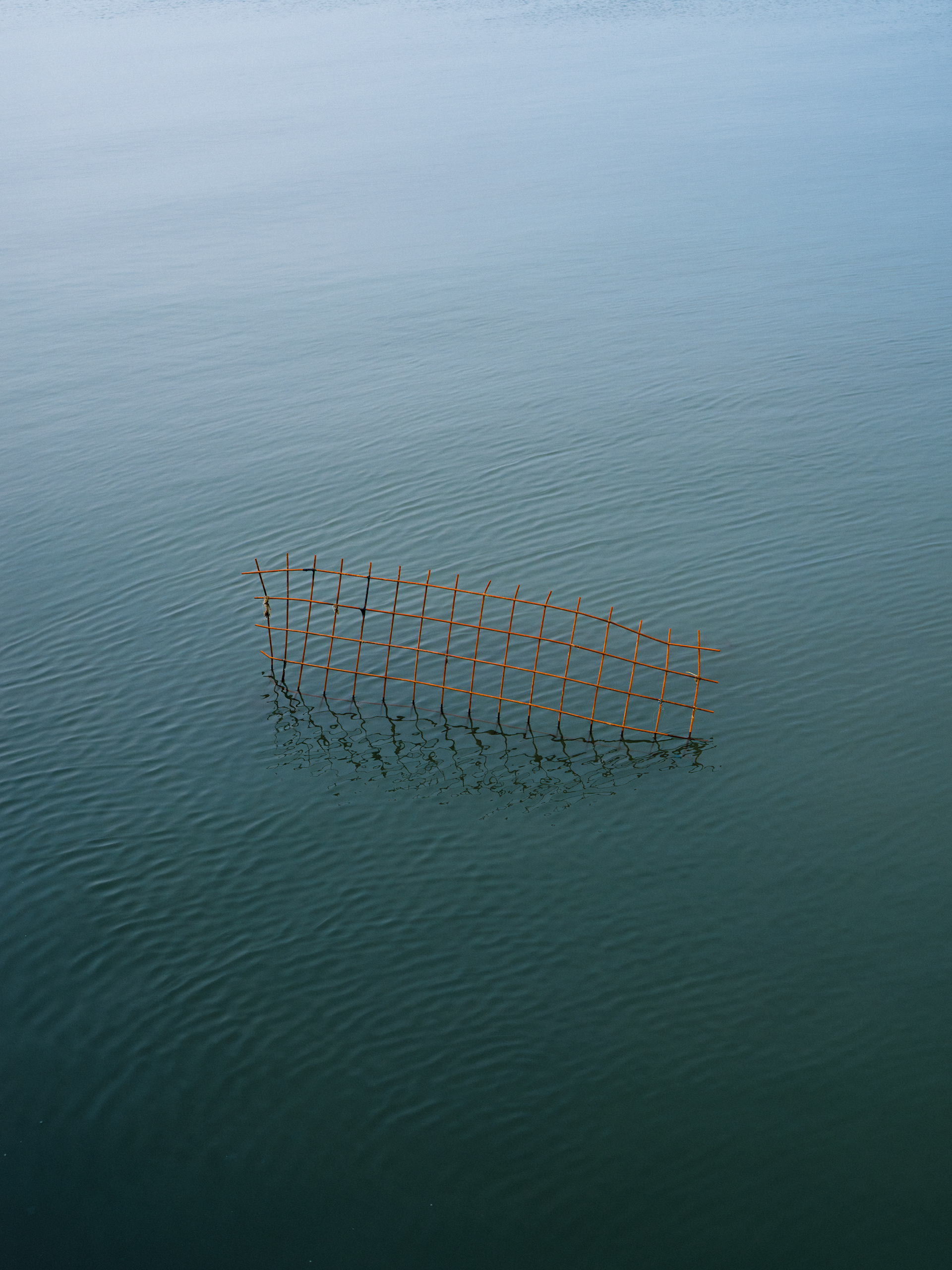
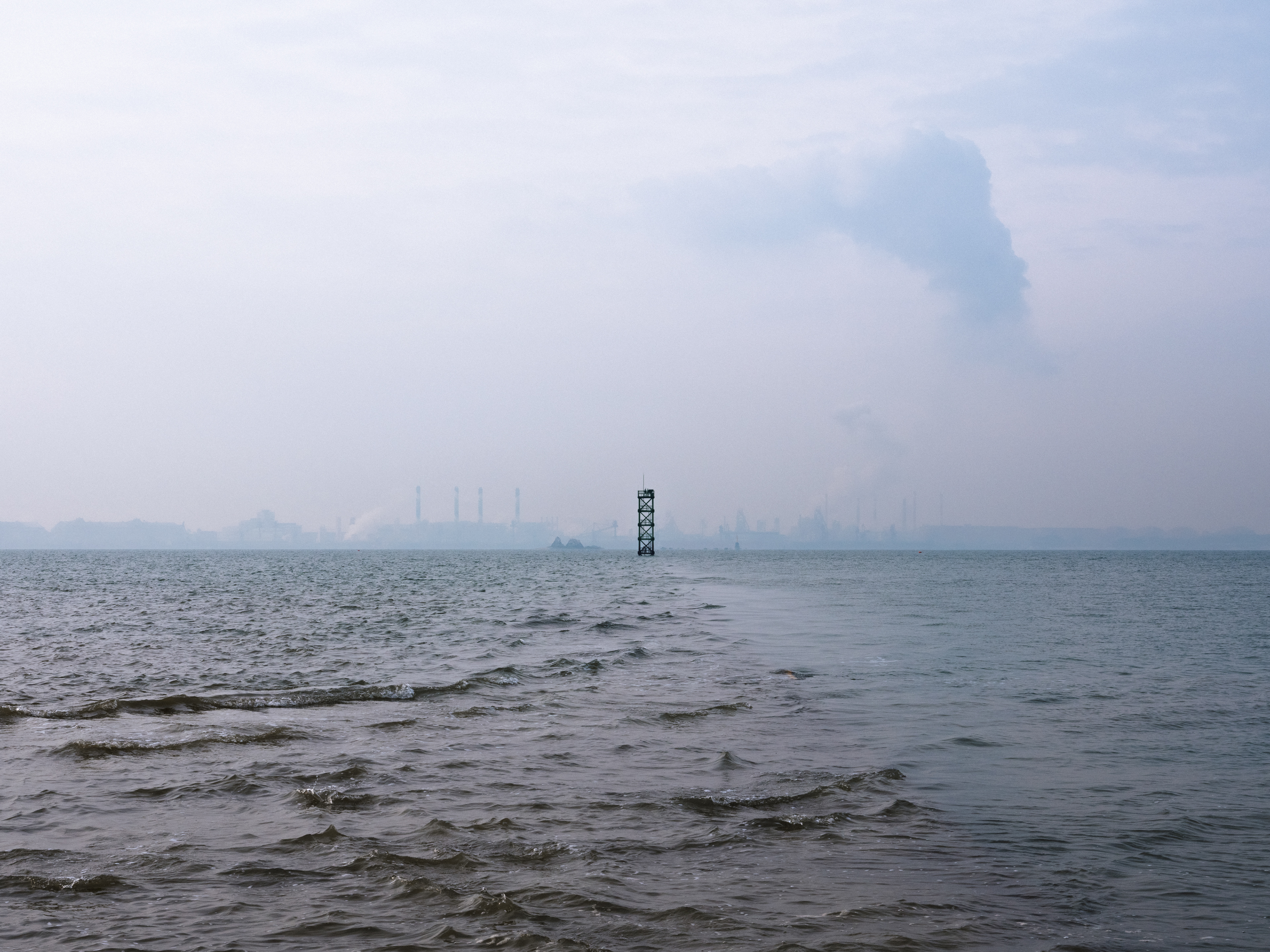
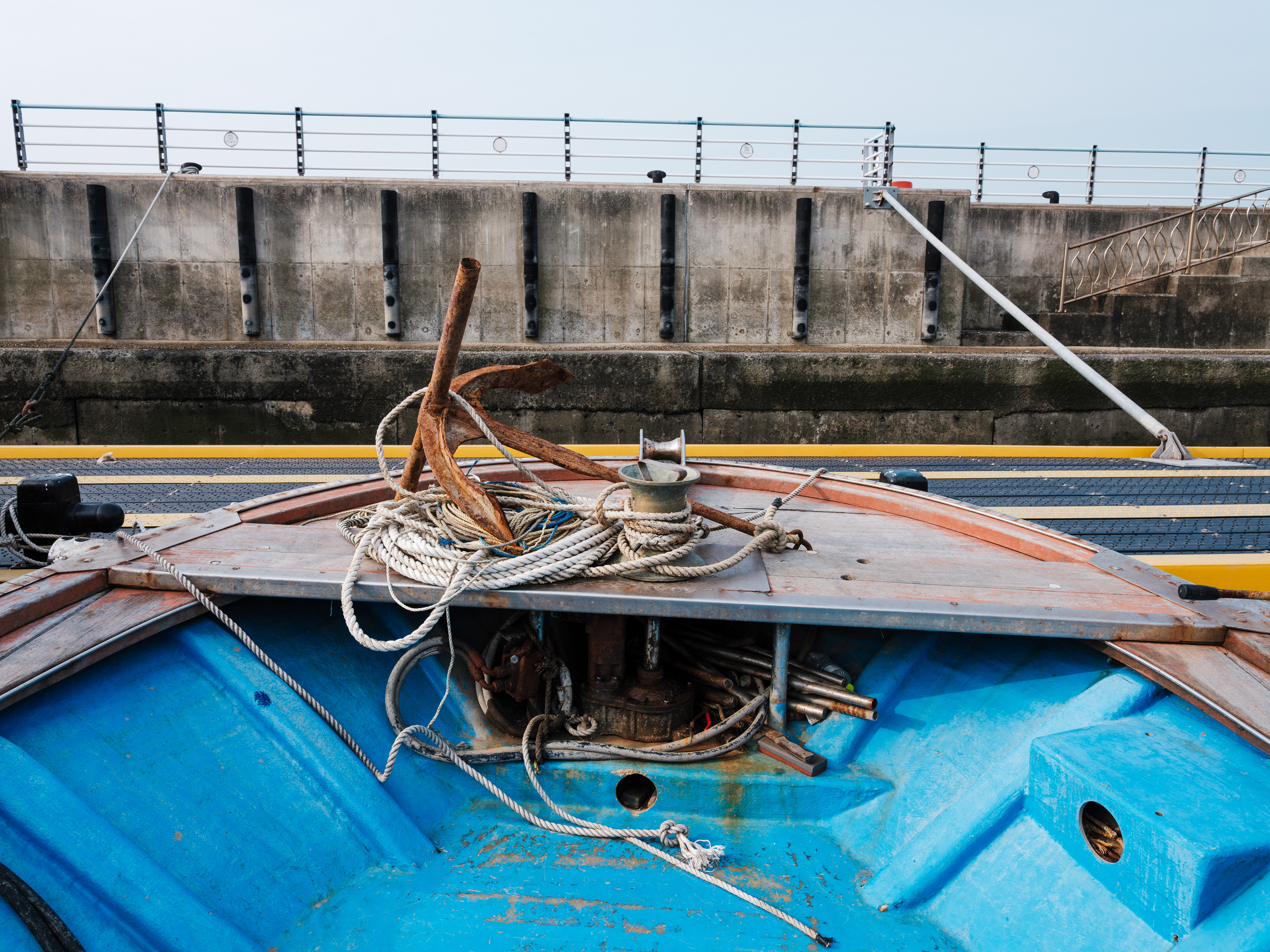
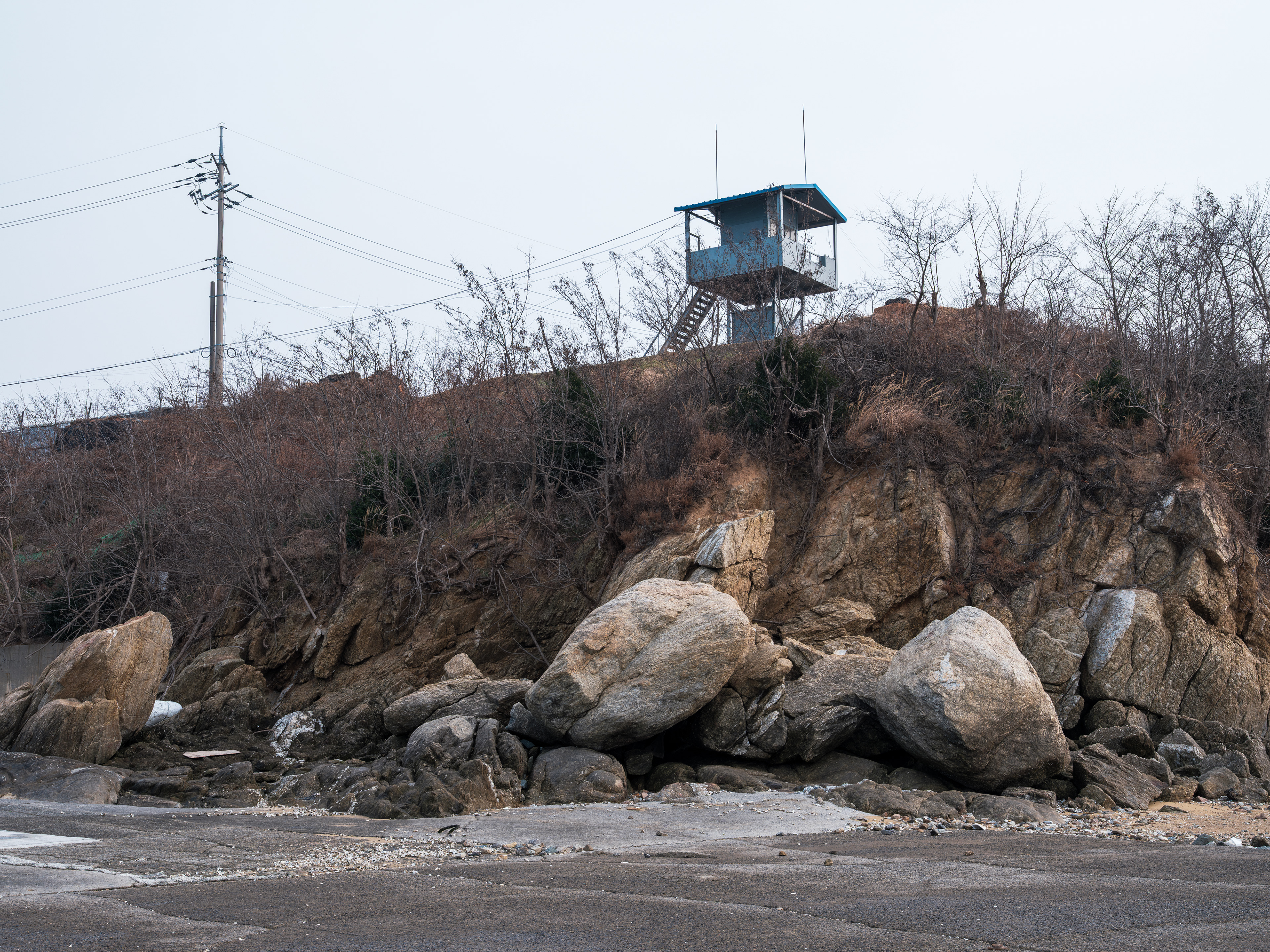
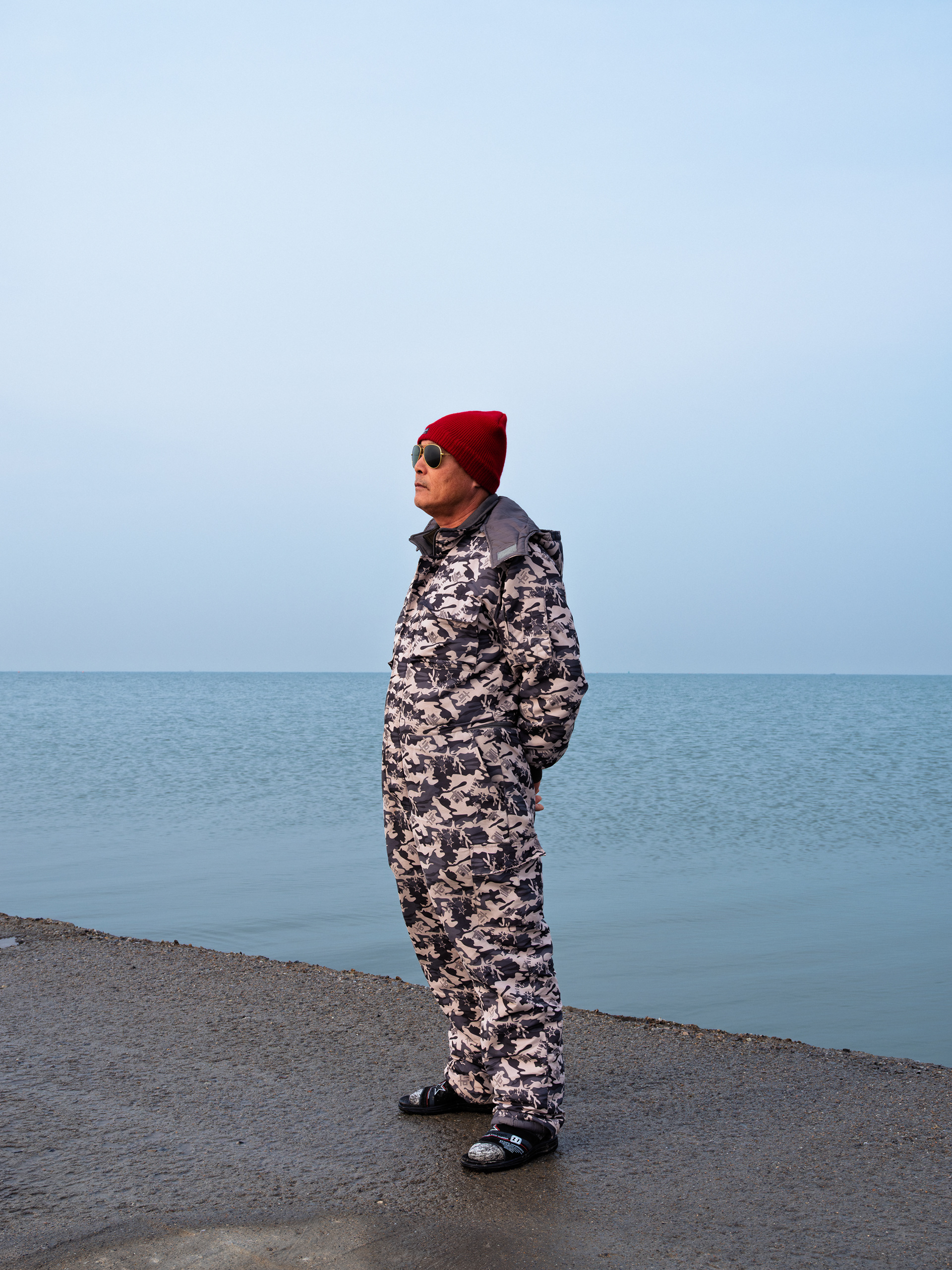
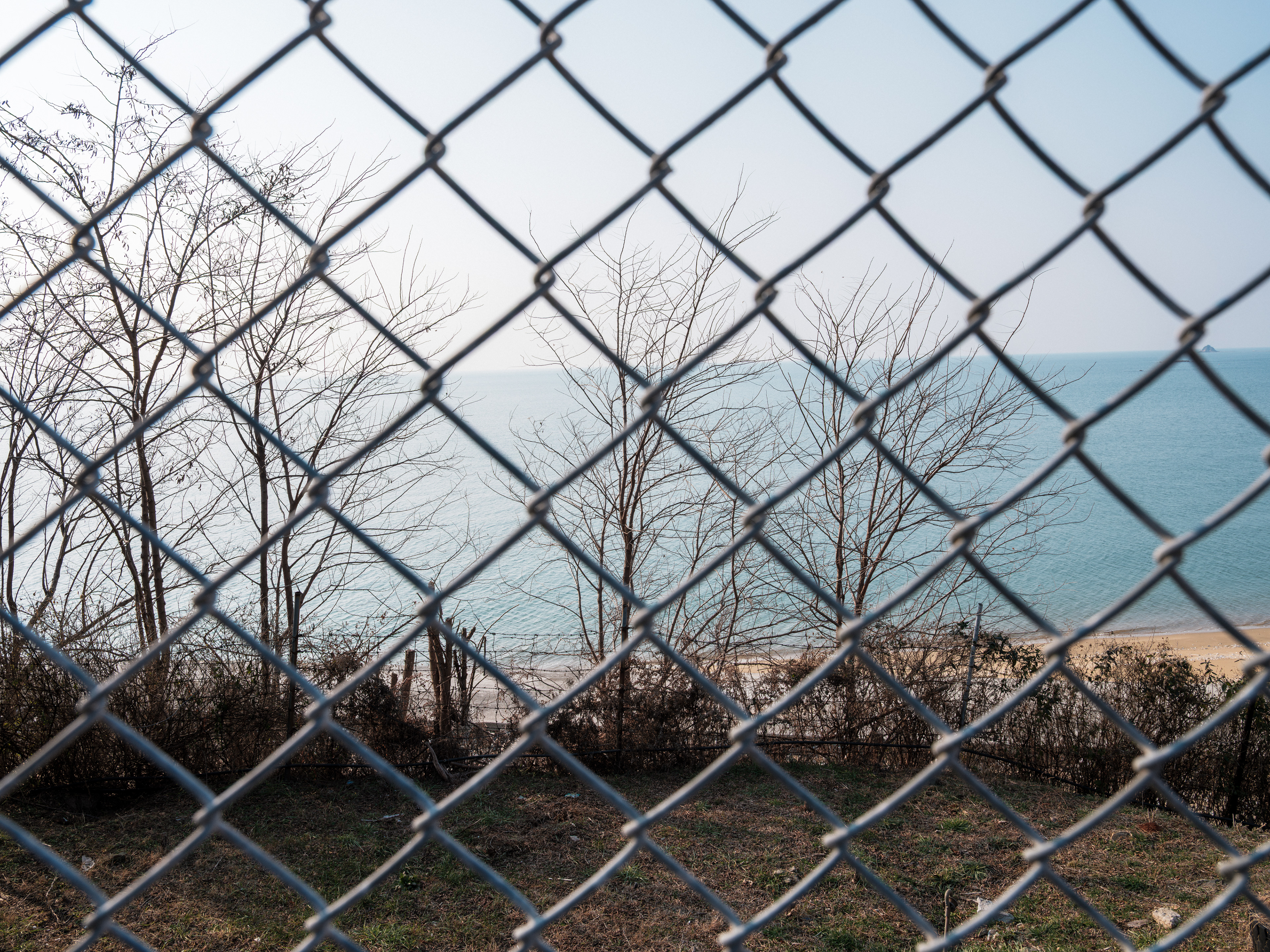
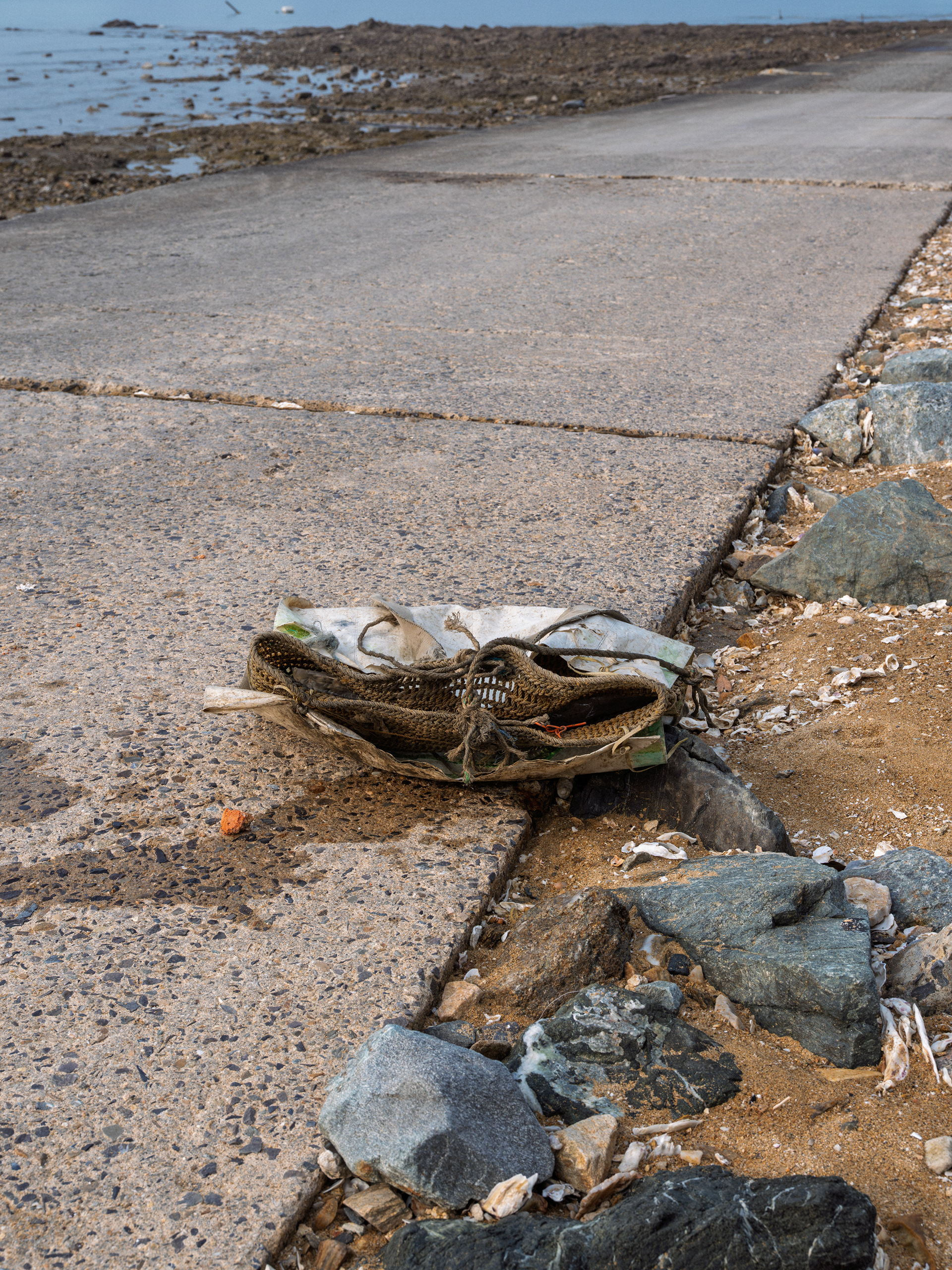
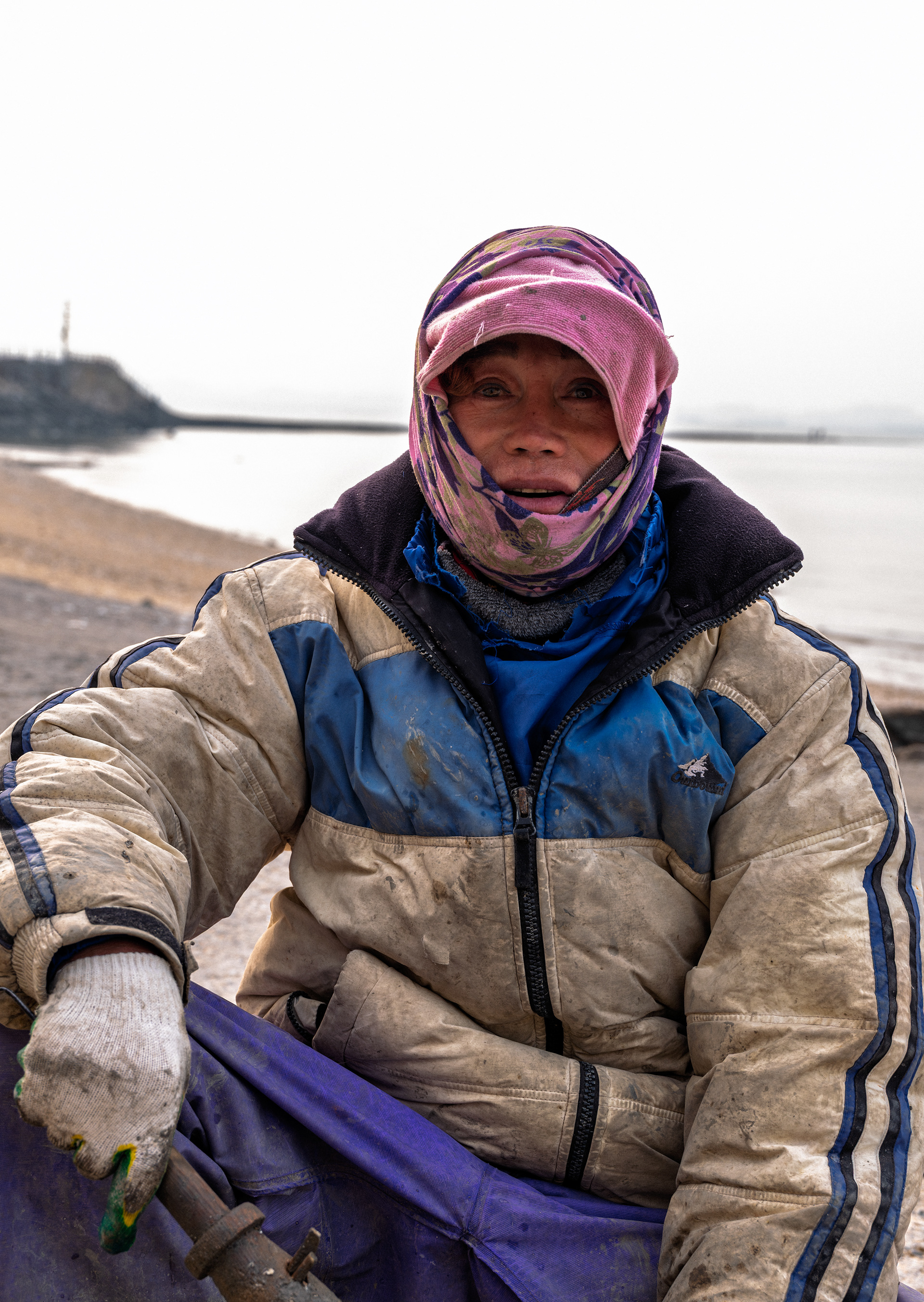
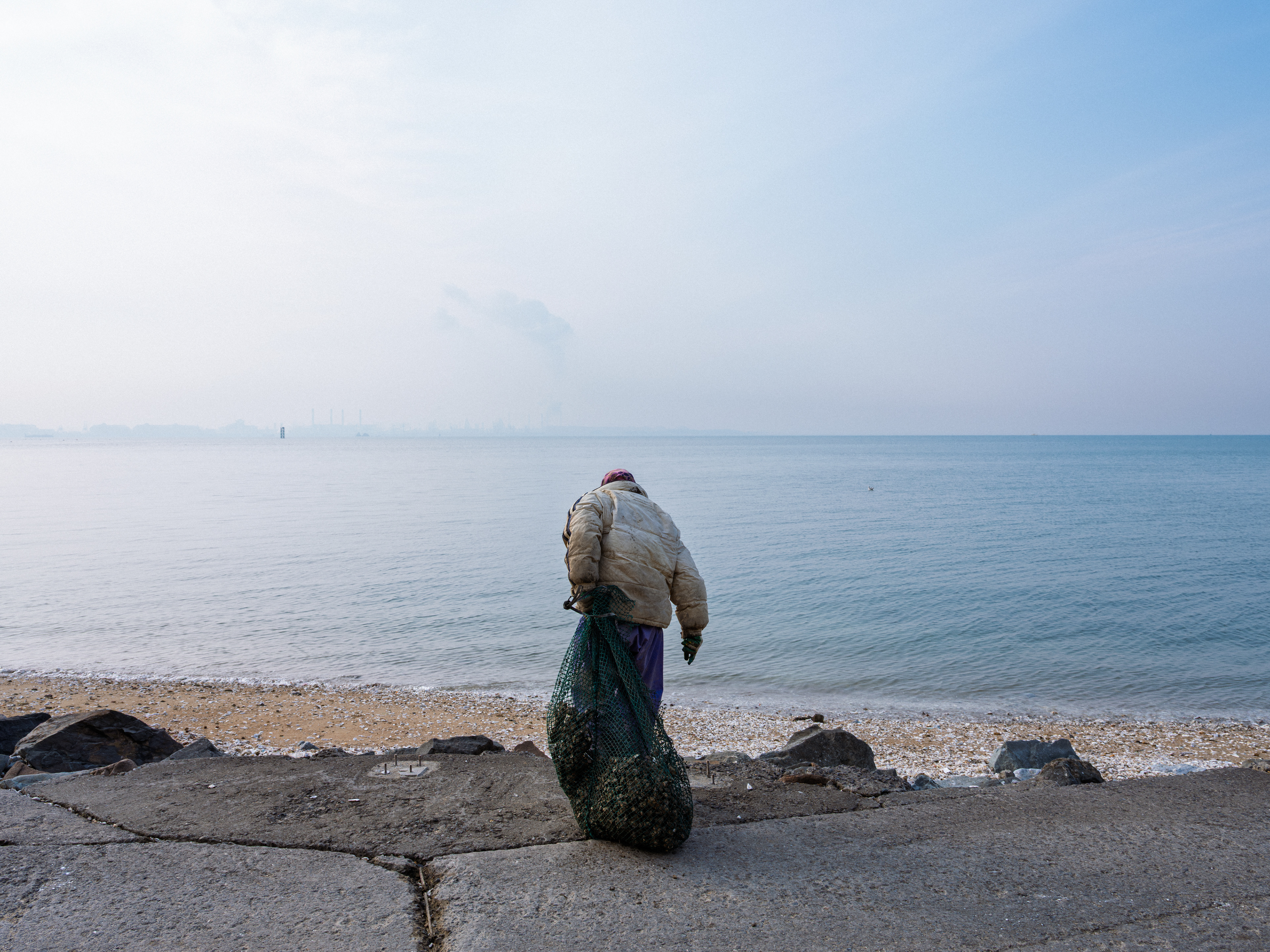
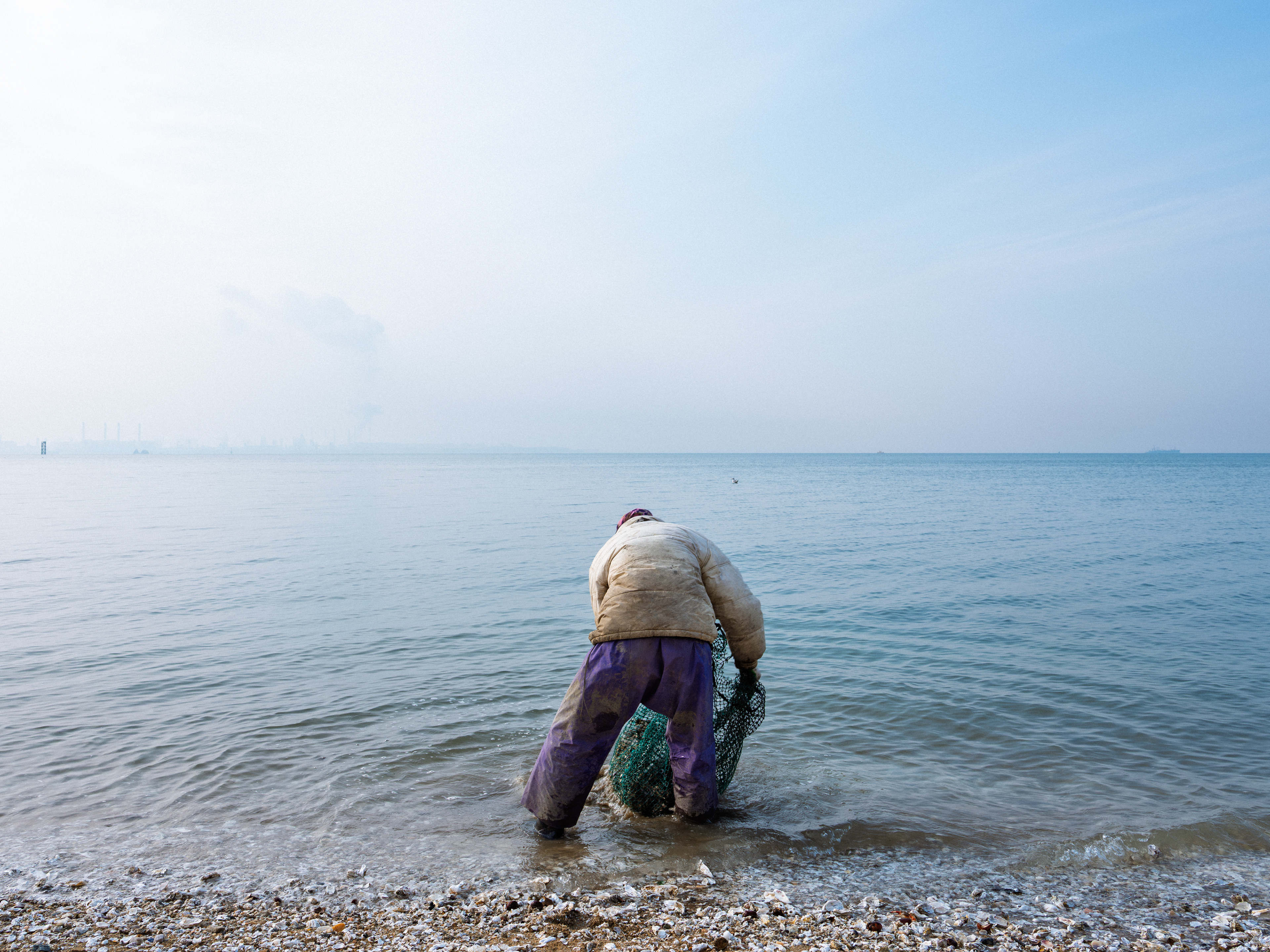
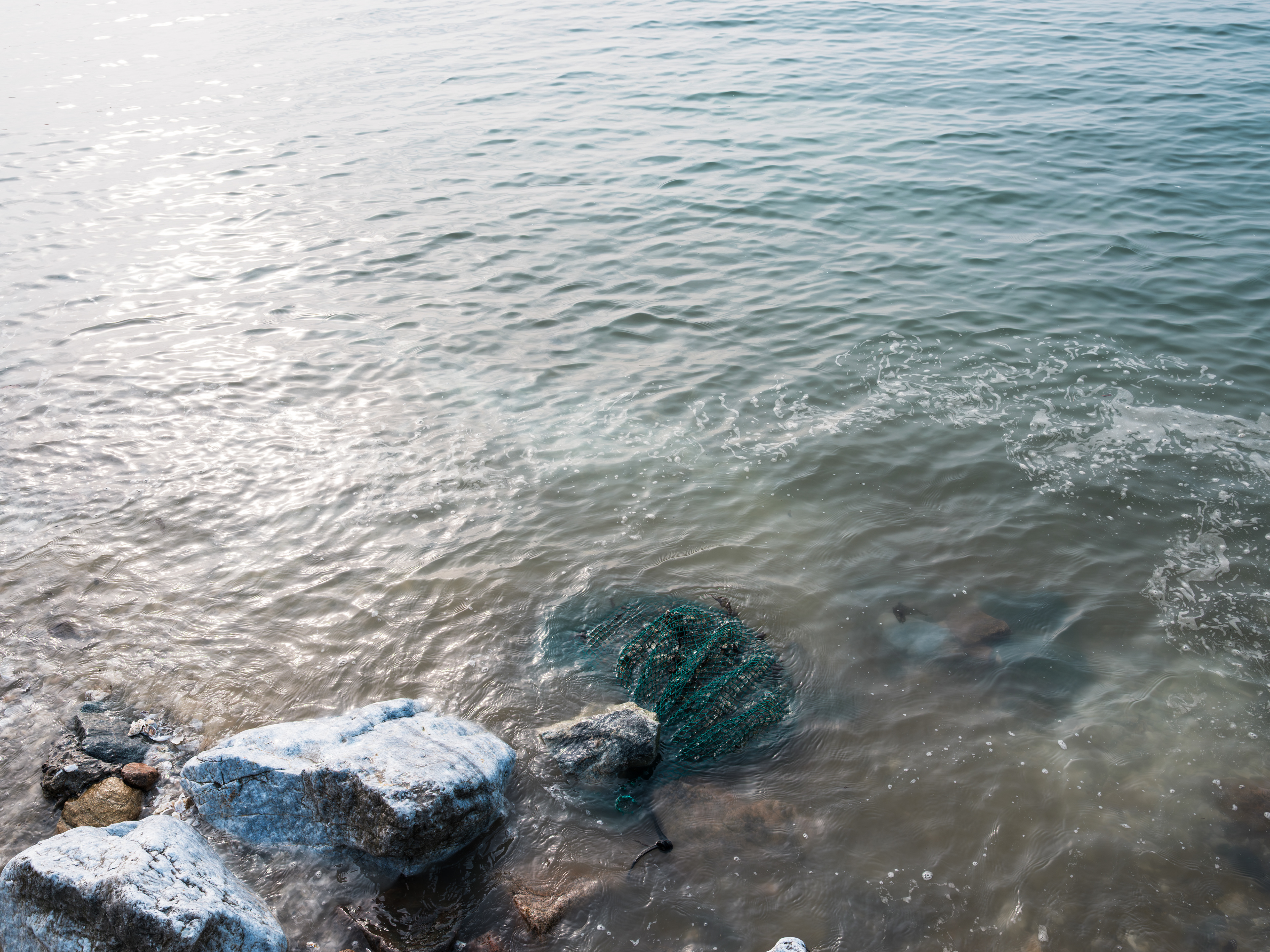
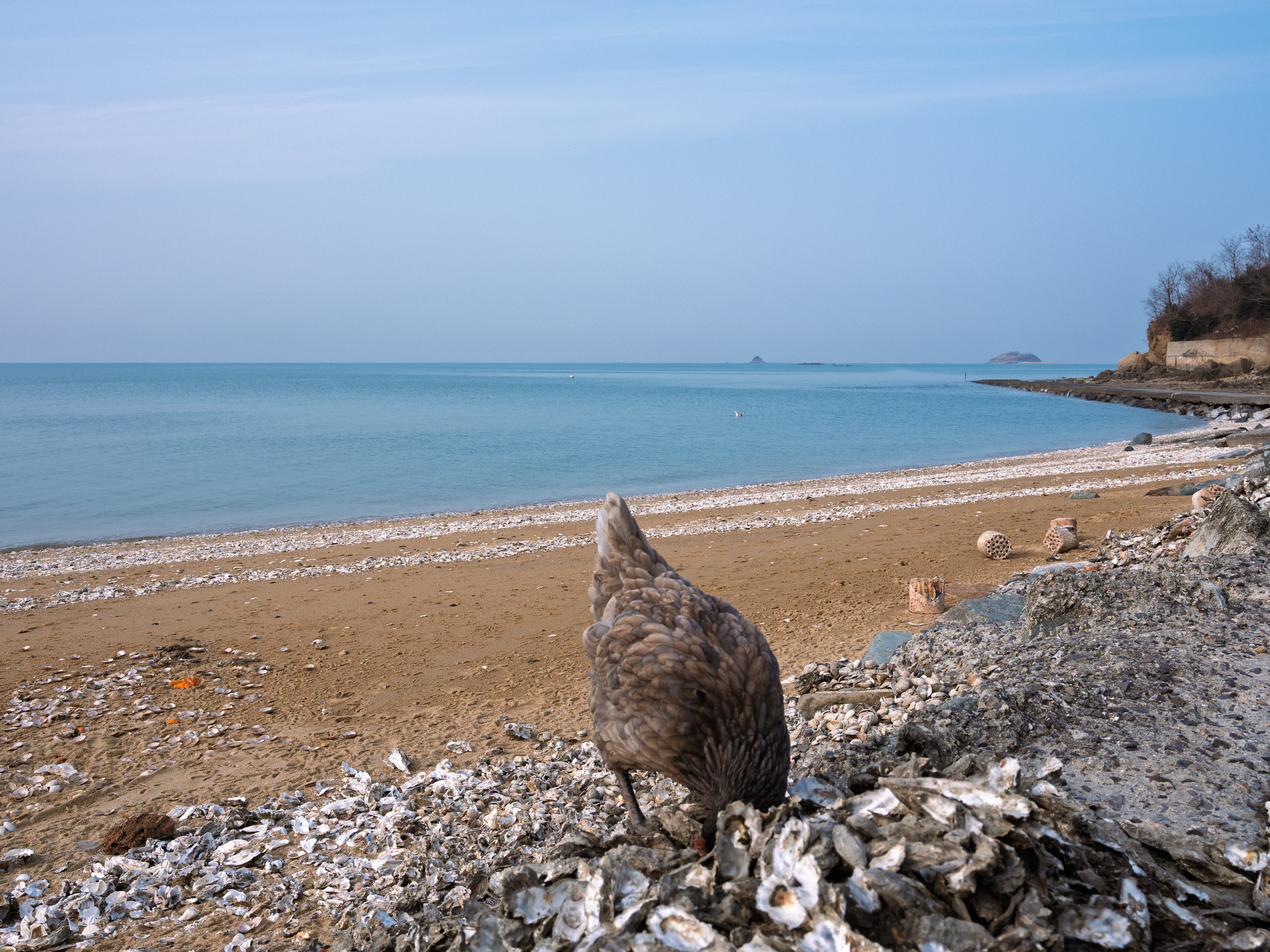
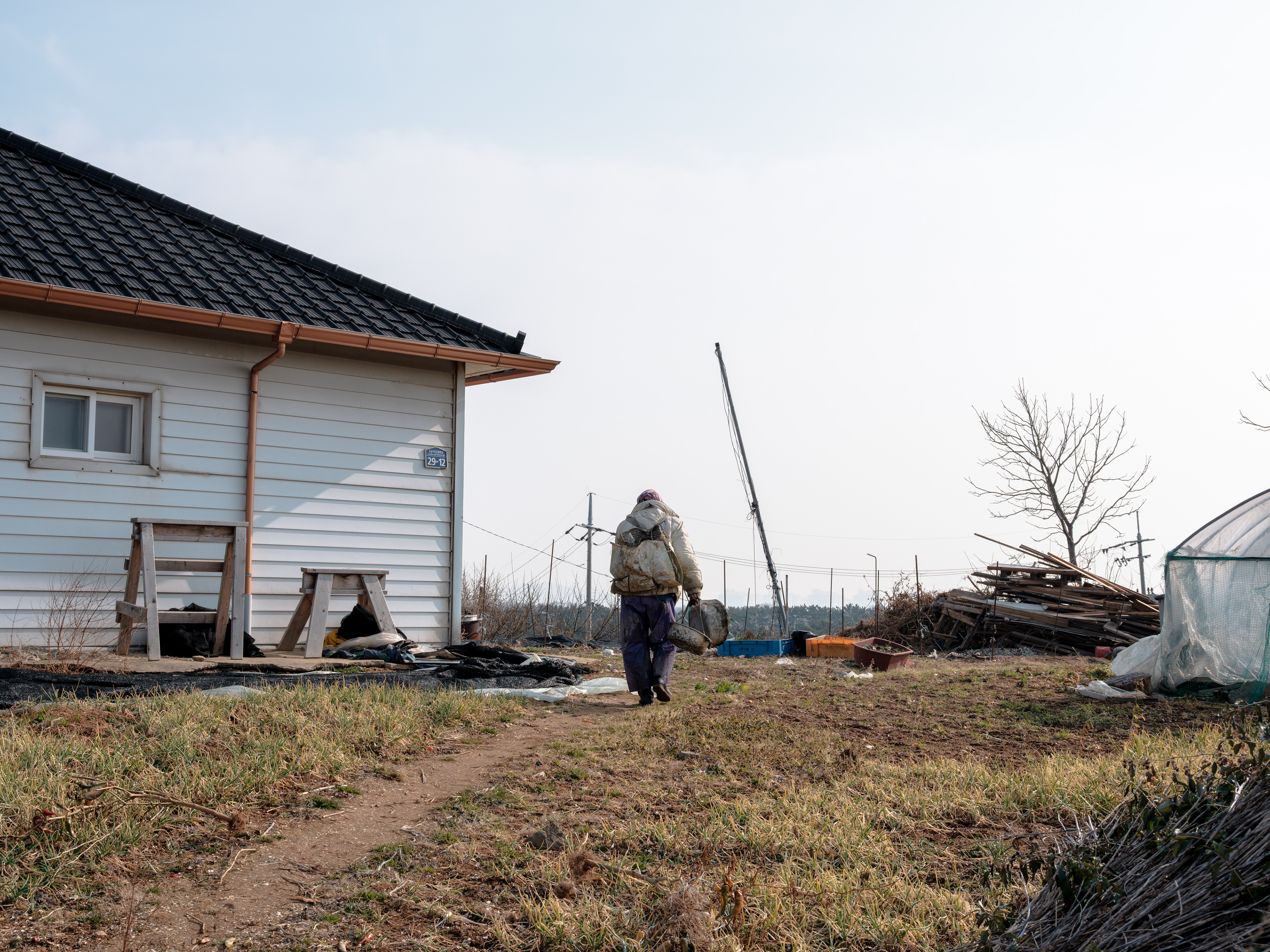
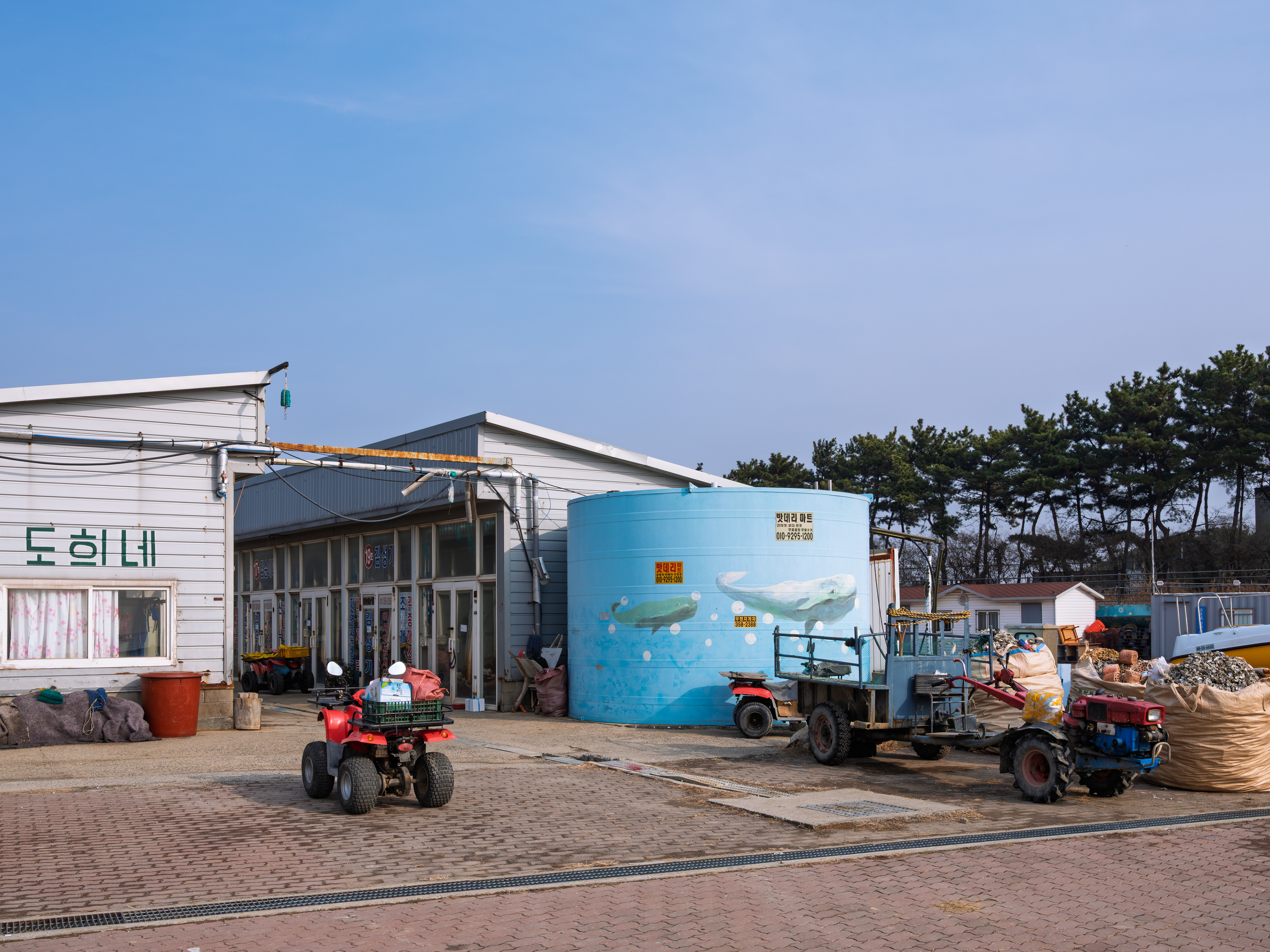
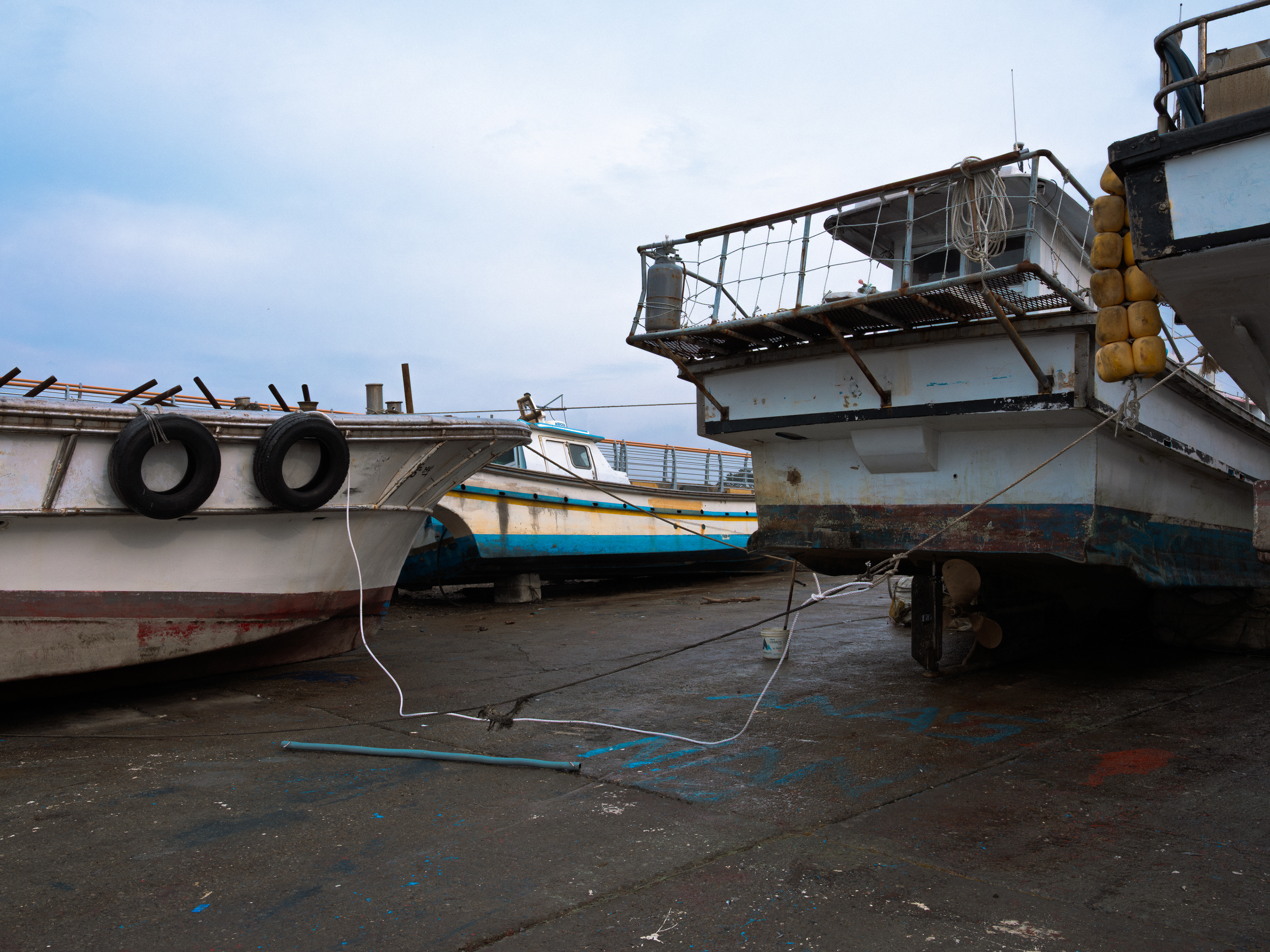
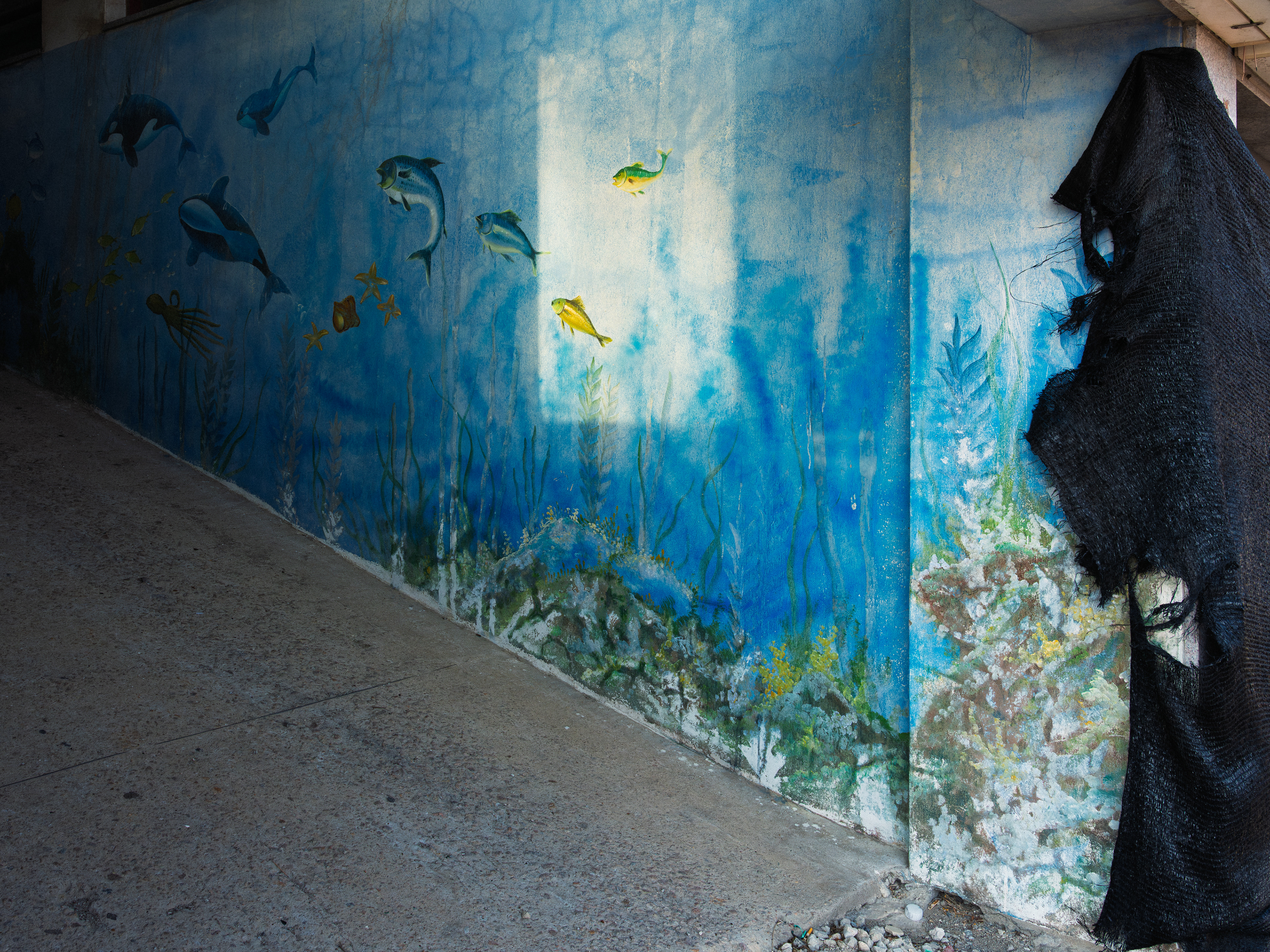
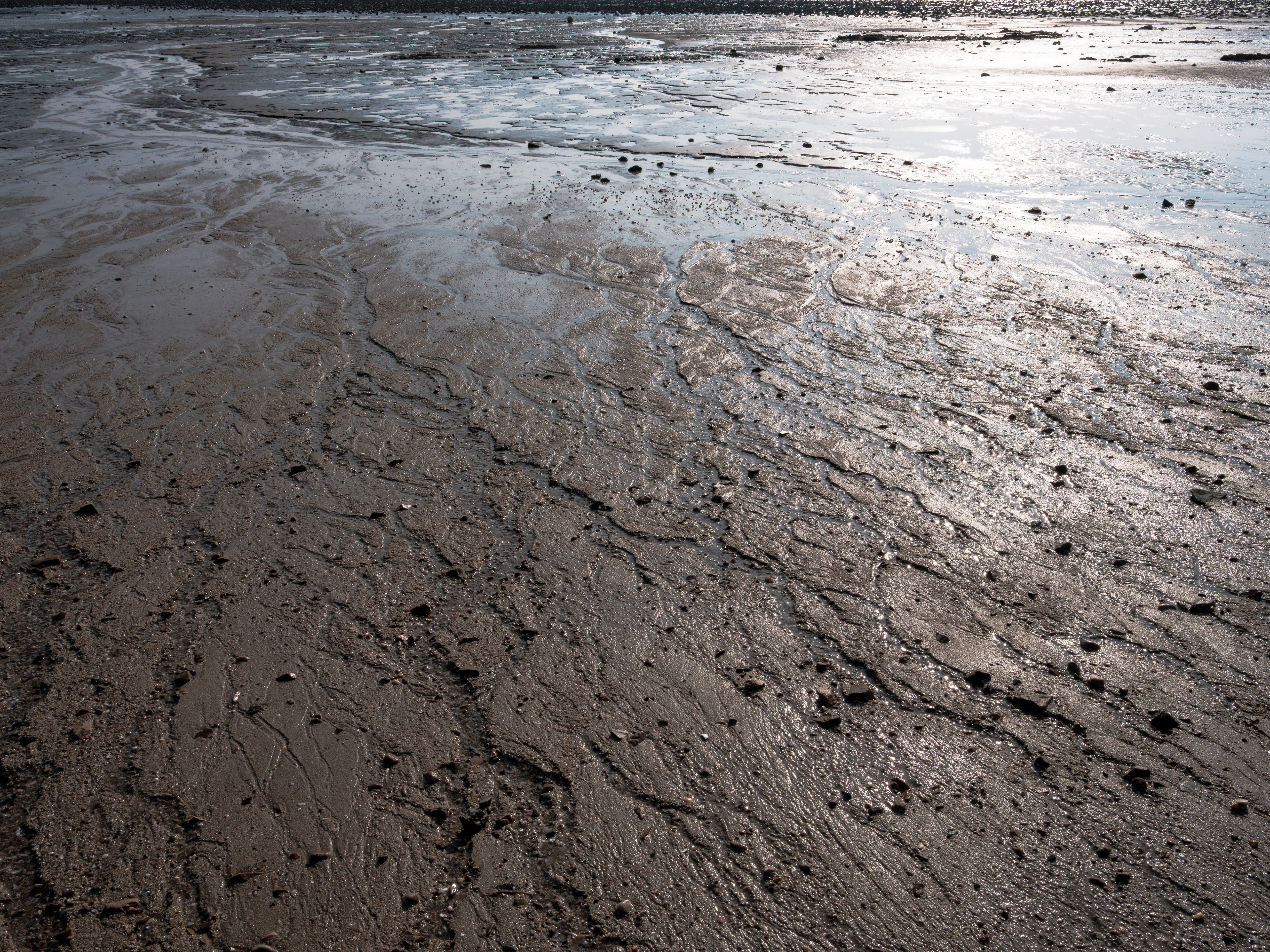
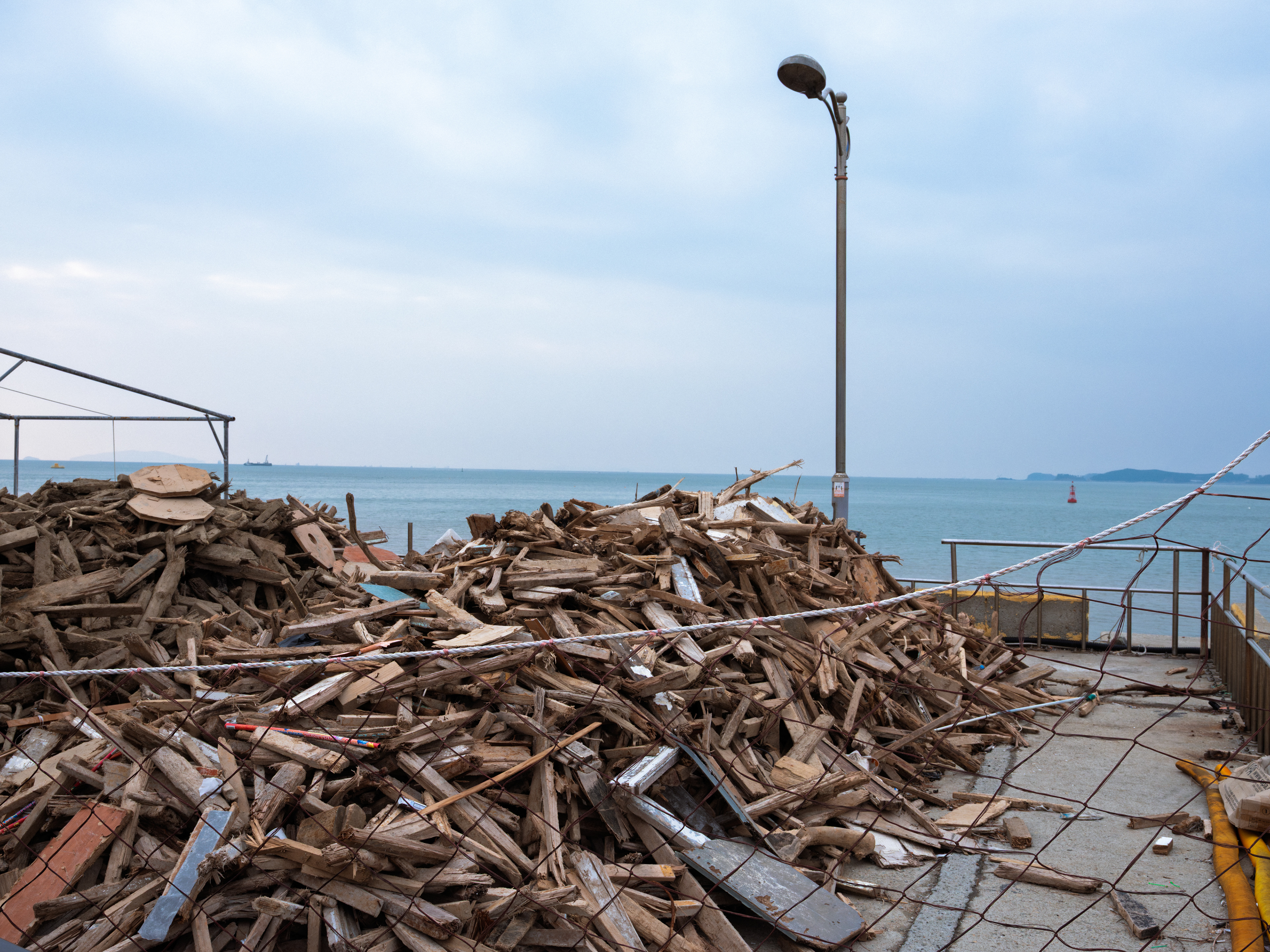
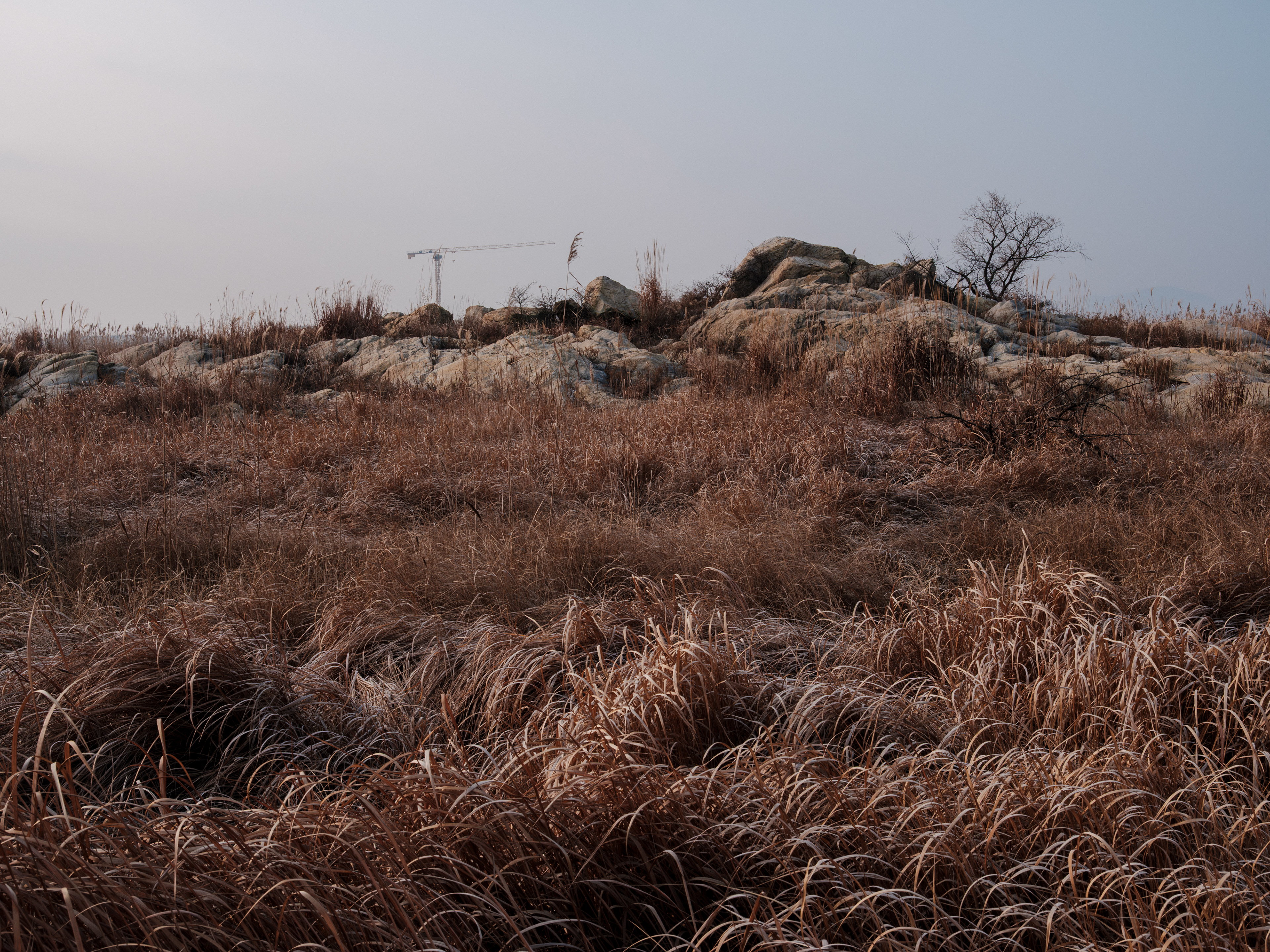
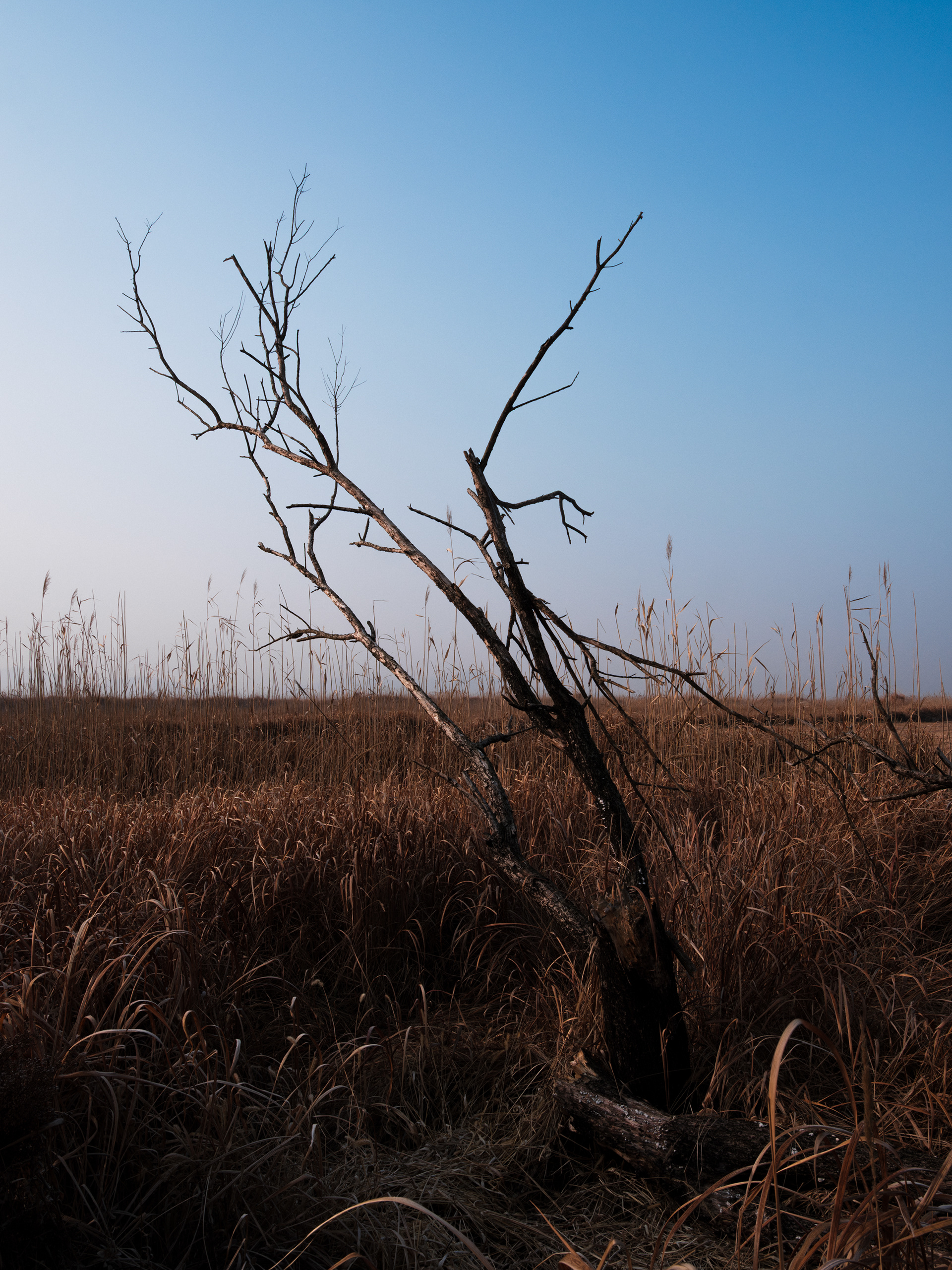
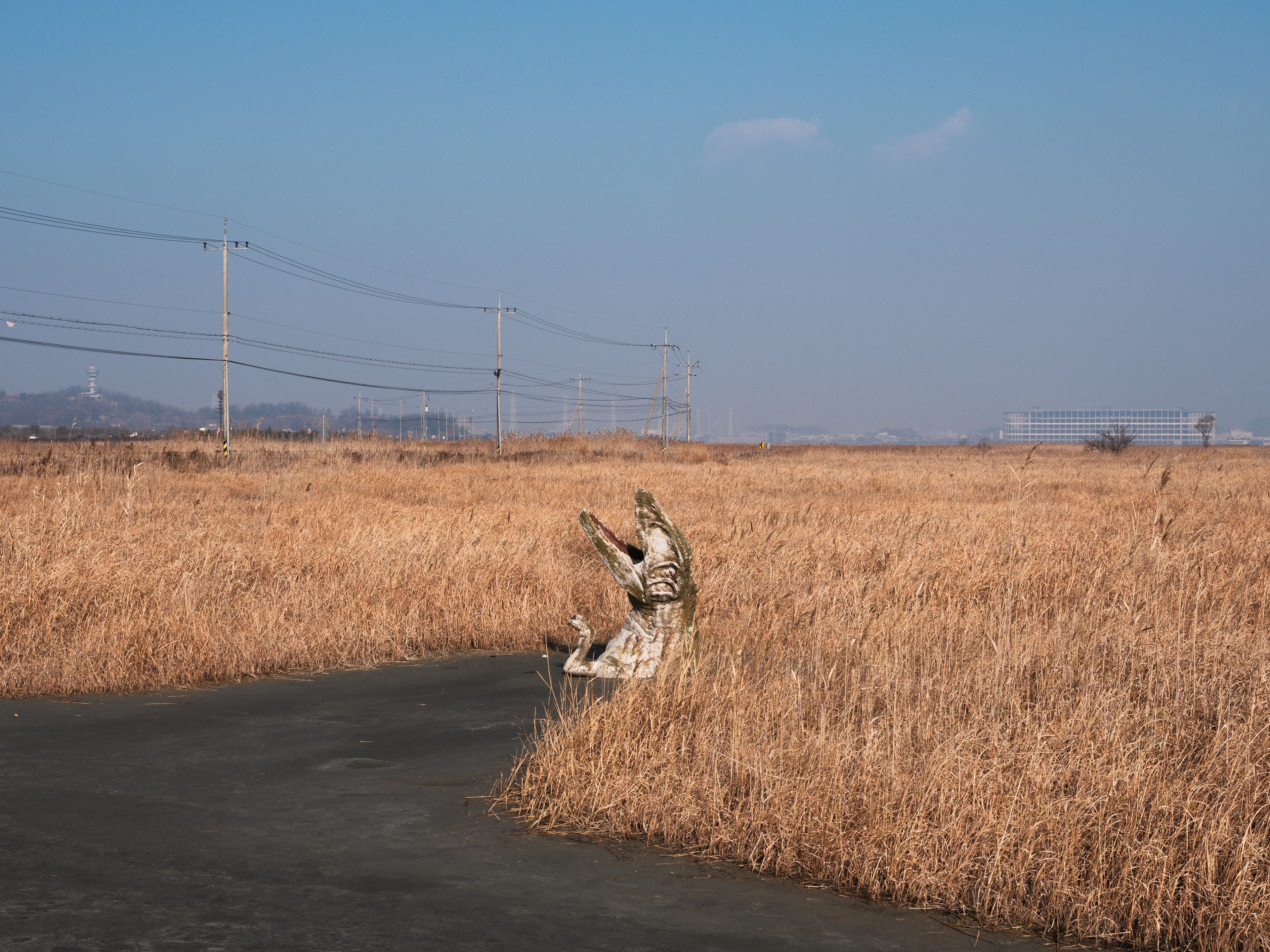
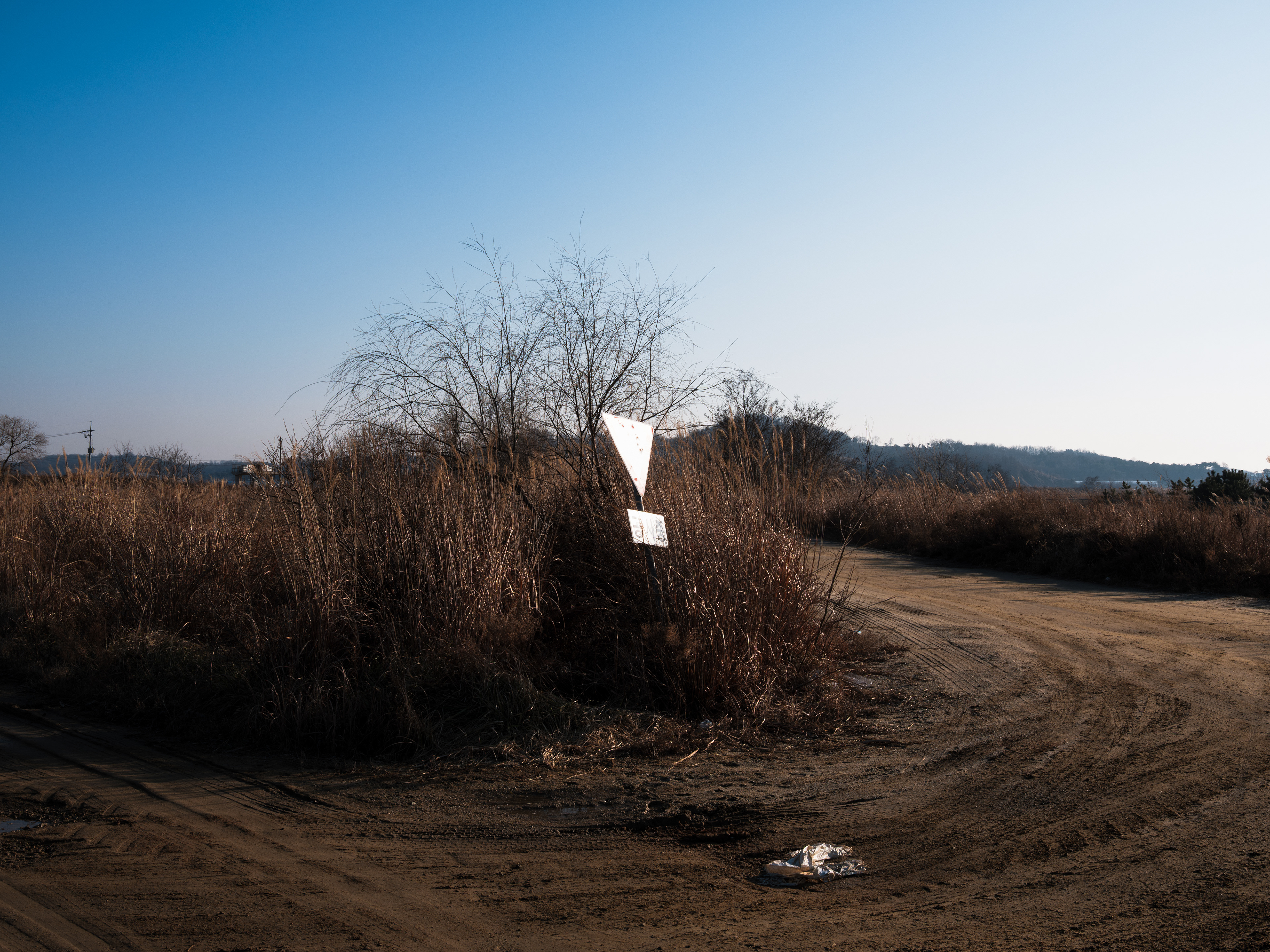
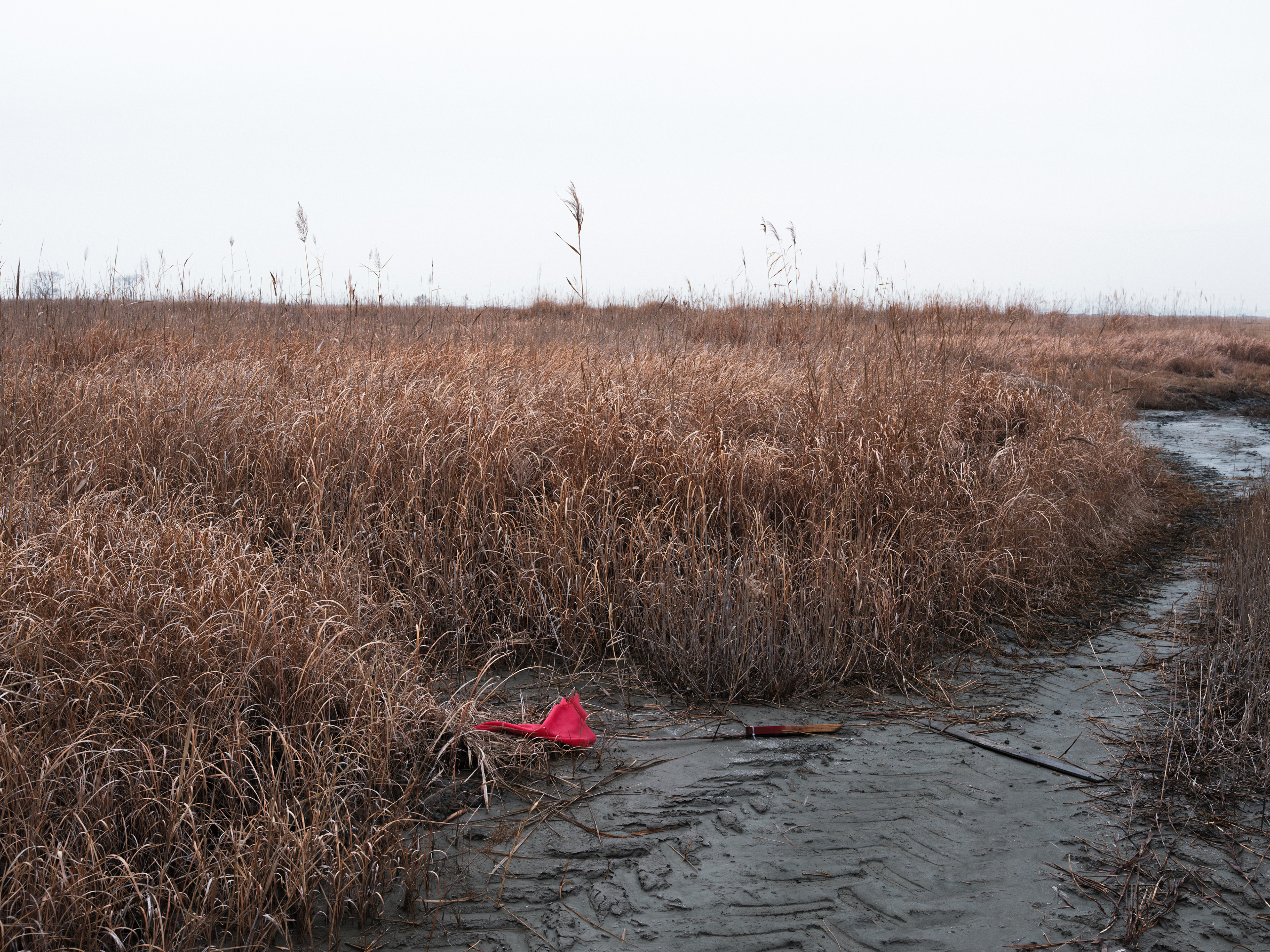
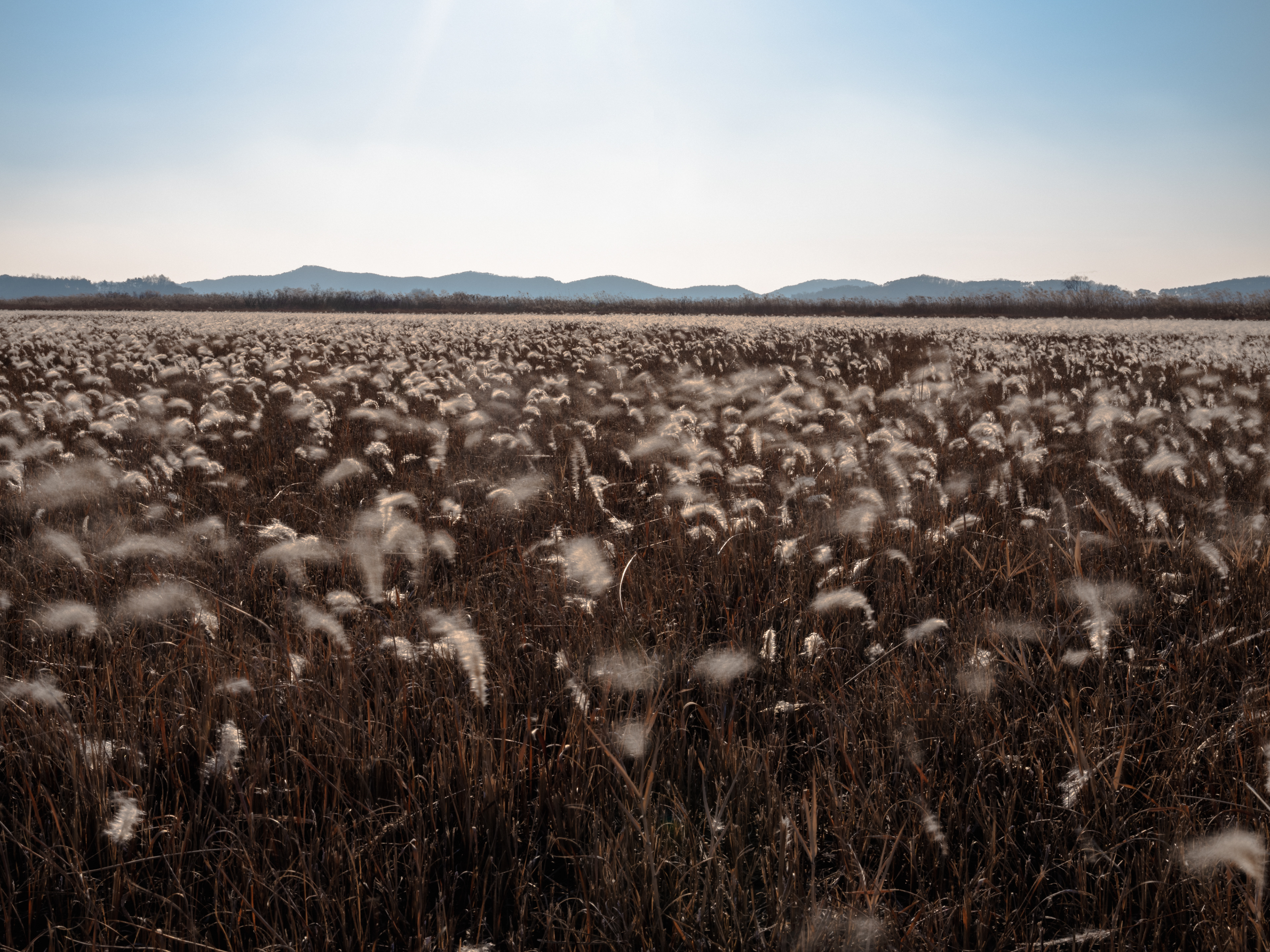
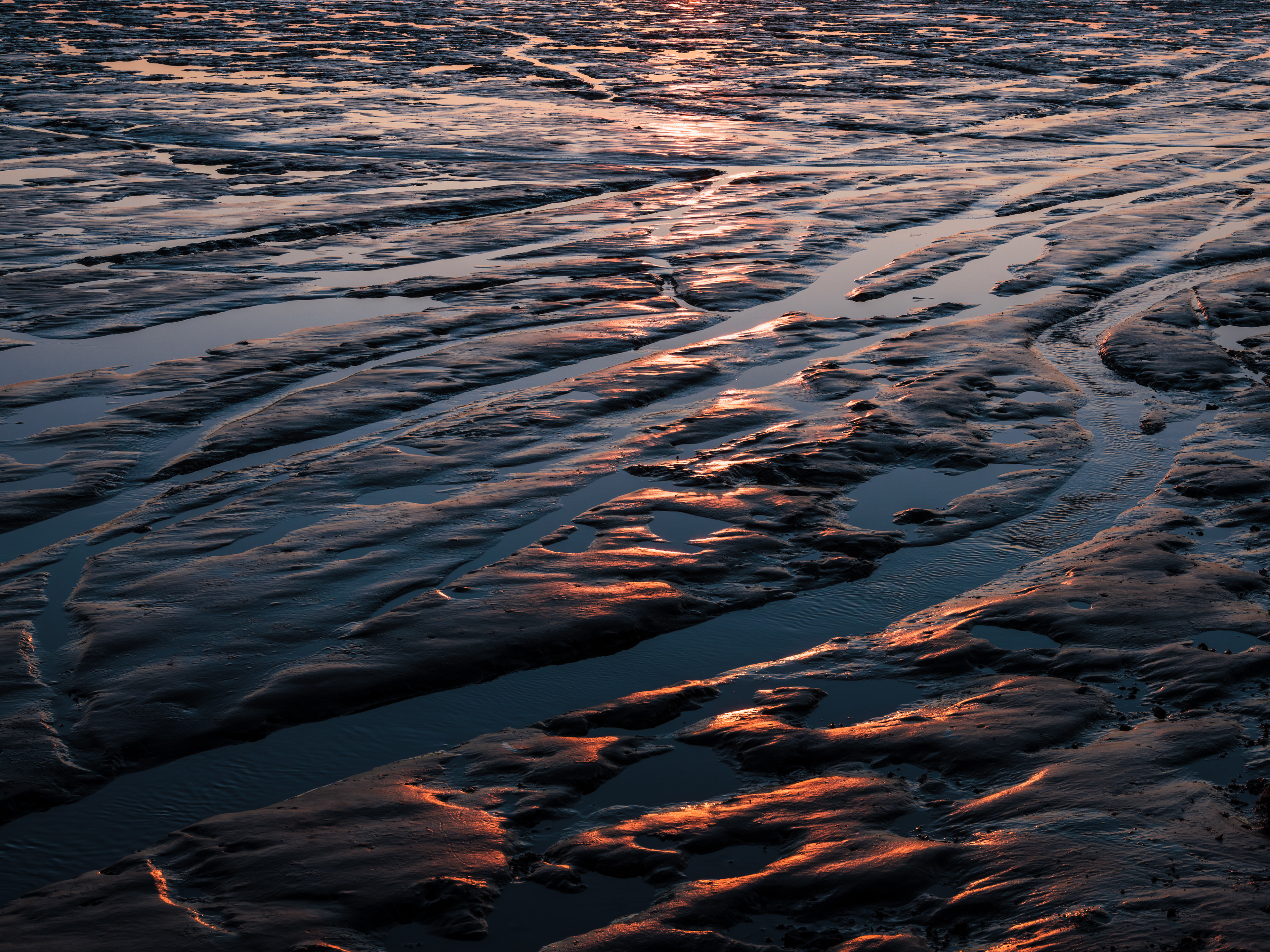
경기도 연안이 펄갯벌화 되어간다는 기사를 찾았다. 방조제로 바다를 막아 간척과 개발 사업을 벌이면서 지속해서 펄이 퇴적되어 갯벌이 단단히 굳어졌다는 기사였다. 가장 큰 원인은 시화·화홍방조제 건설과 화성·김포 앞바다에 대규모 어항과 농지가 조성된 것이었고, 이로 인해 갯벌에서 가장 익숙한 바지락·모시조개·굴을 더 이상 볼 수 없을 수도 있다는 이야기였다.
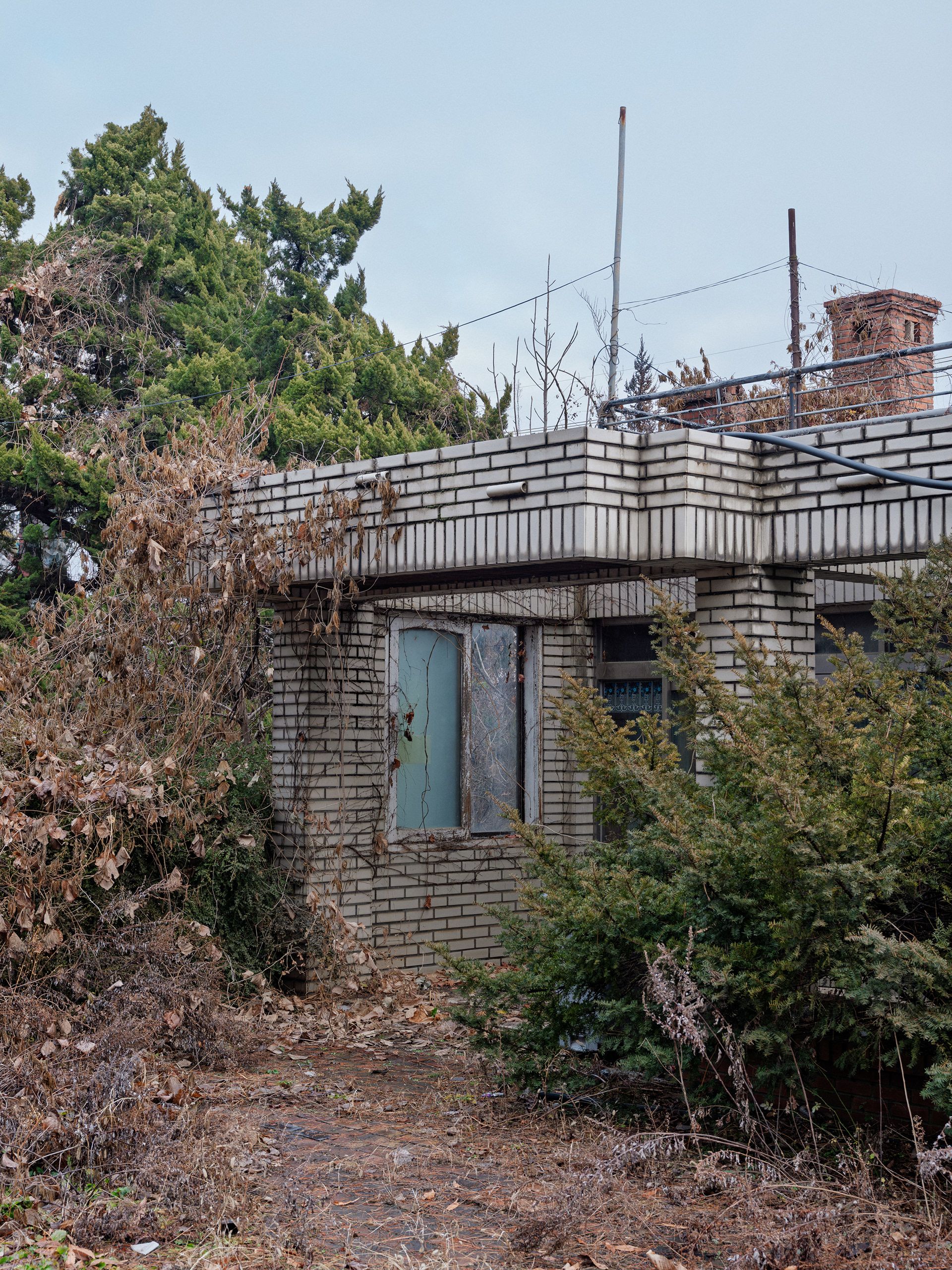
어느 날 밤, 예고도 없이 무언가가 끝났다. 준비할 틈도 없이 찾아온 단절이었다. 누구의 잘못도 아닌, 그저 상황과 시간이 마음을 엉켜버리게 했고, 온몸이 시릴 정도의 고통이 밀려왔다. 그 무엇도 탓할 수도 어찌할 수도 없었다. 그저 직면한 상실과 그 시린 고통 속에서, 변한 삶을 되돌아보며 더 소중히 여기는 것이 마주할 수 있는 최선이었다.
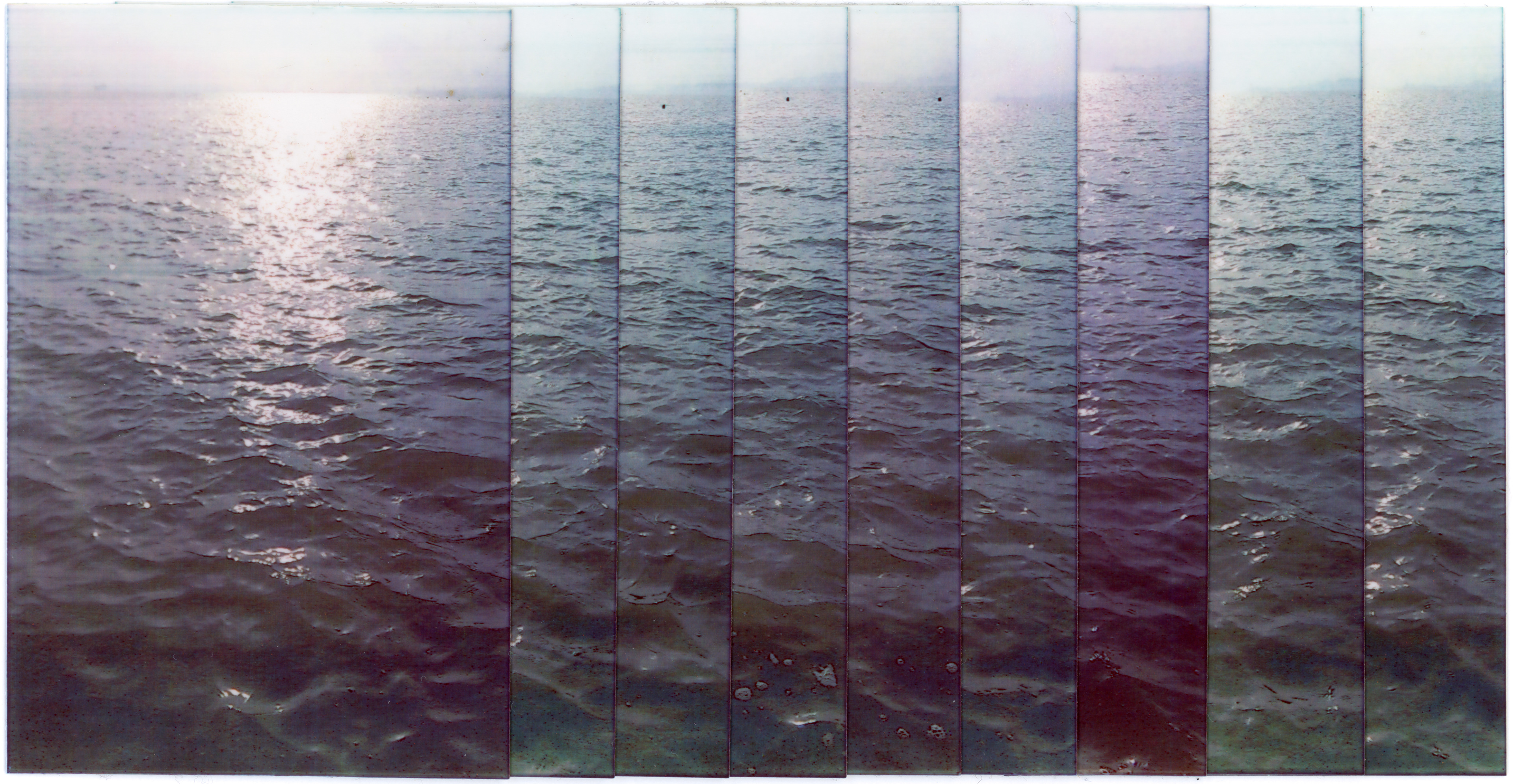
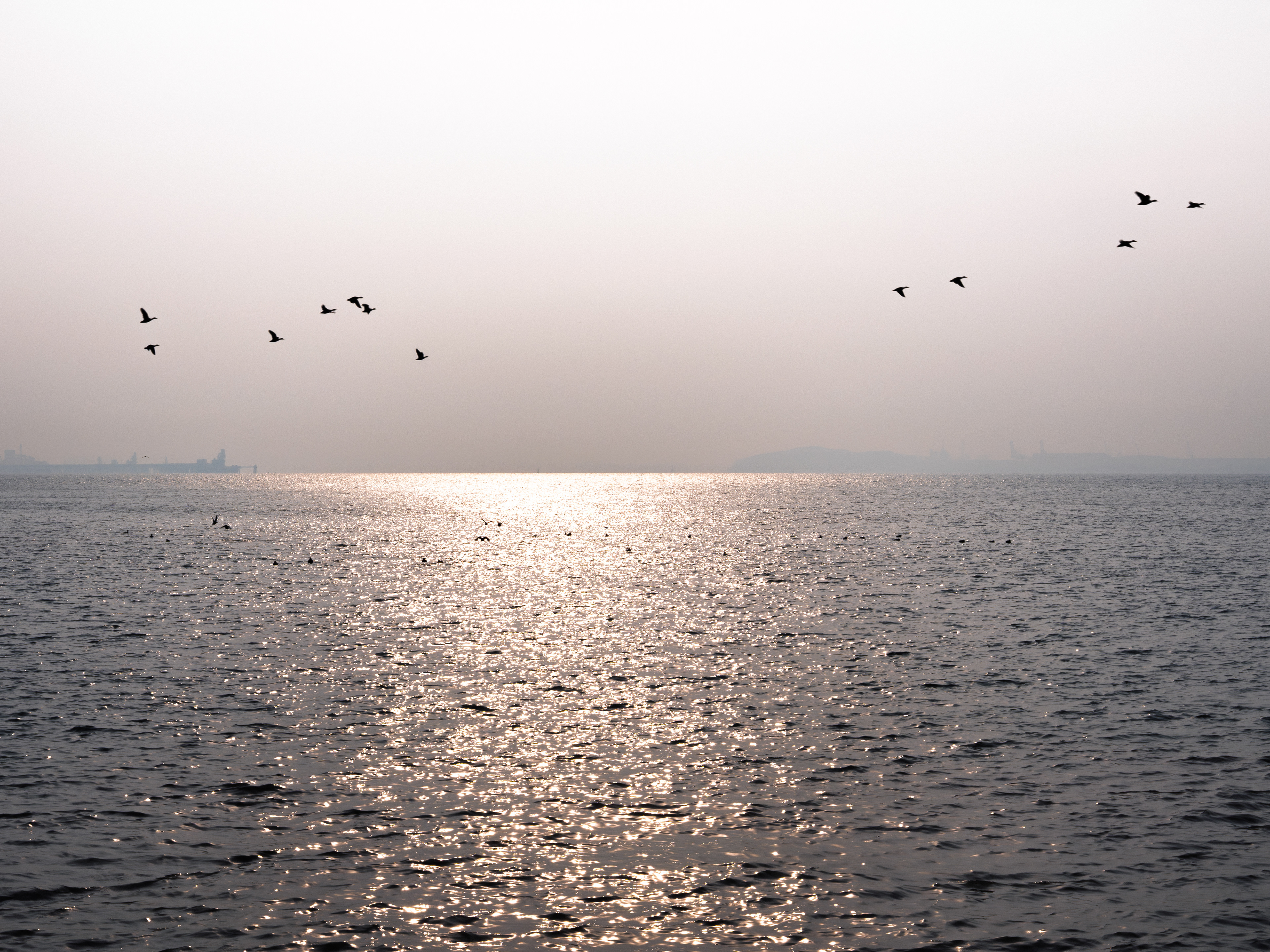
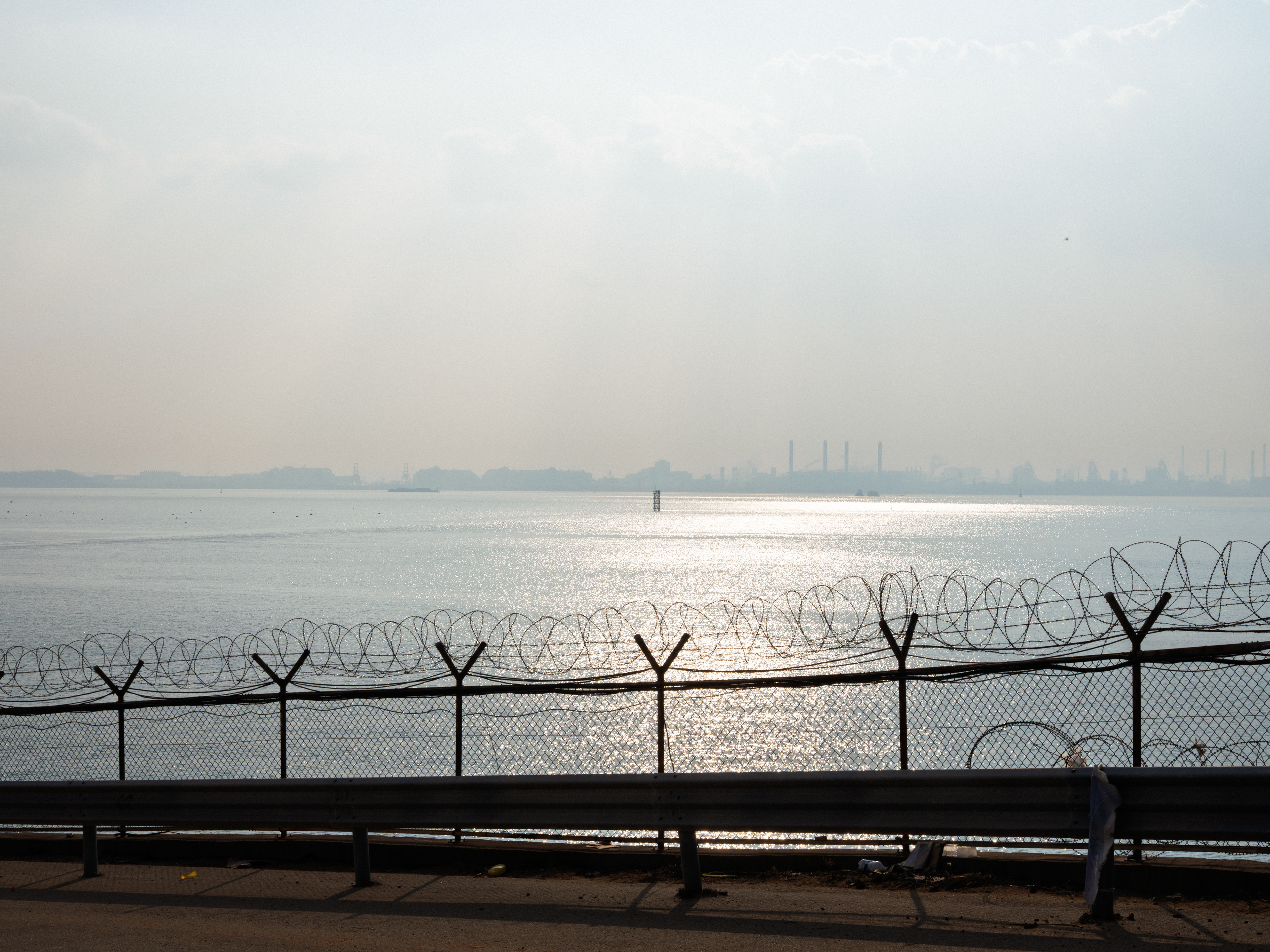
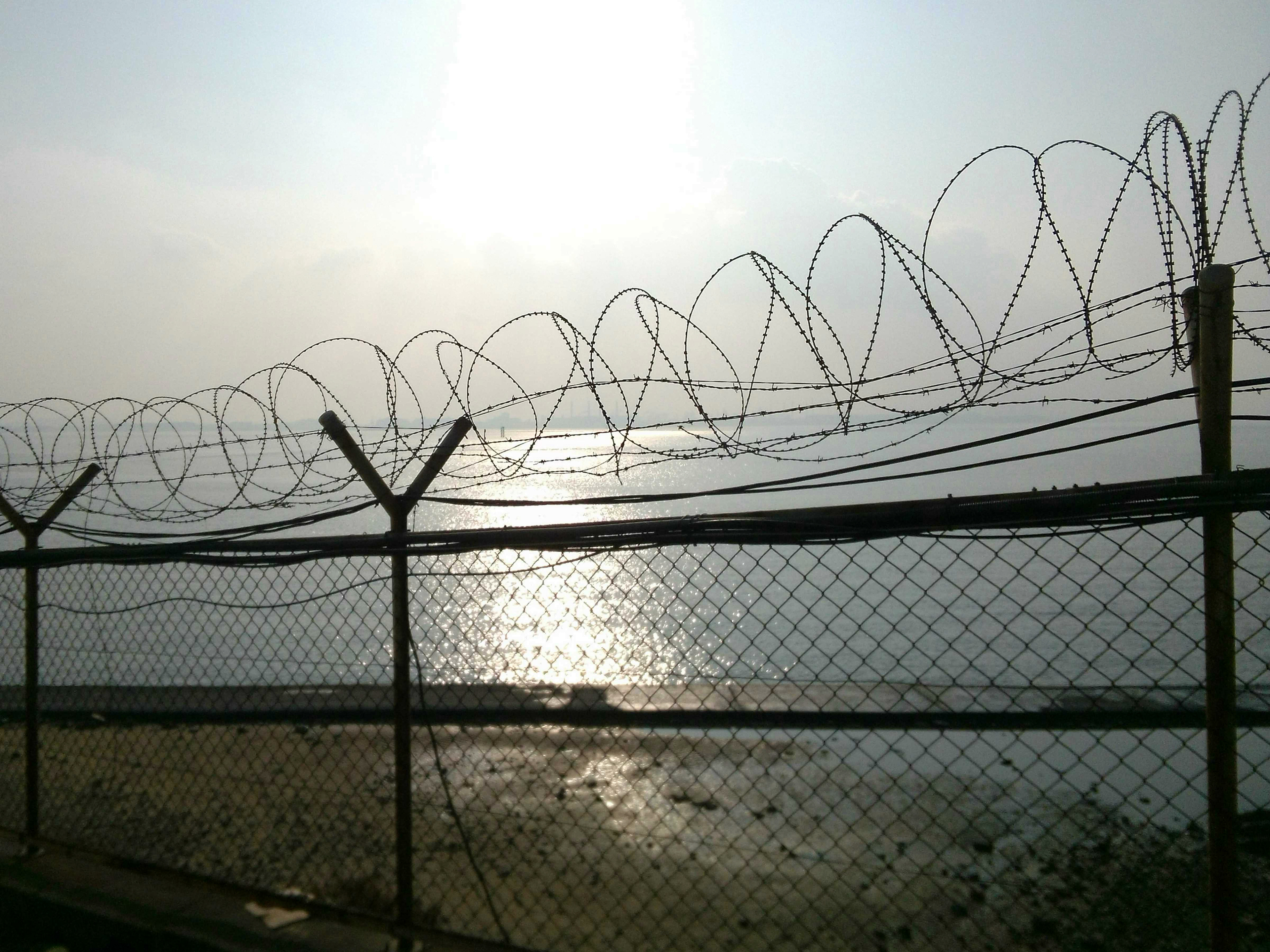
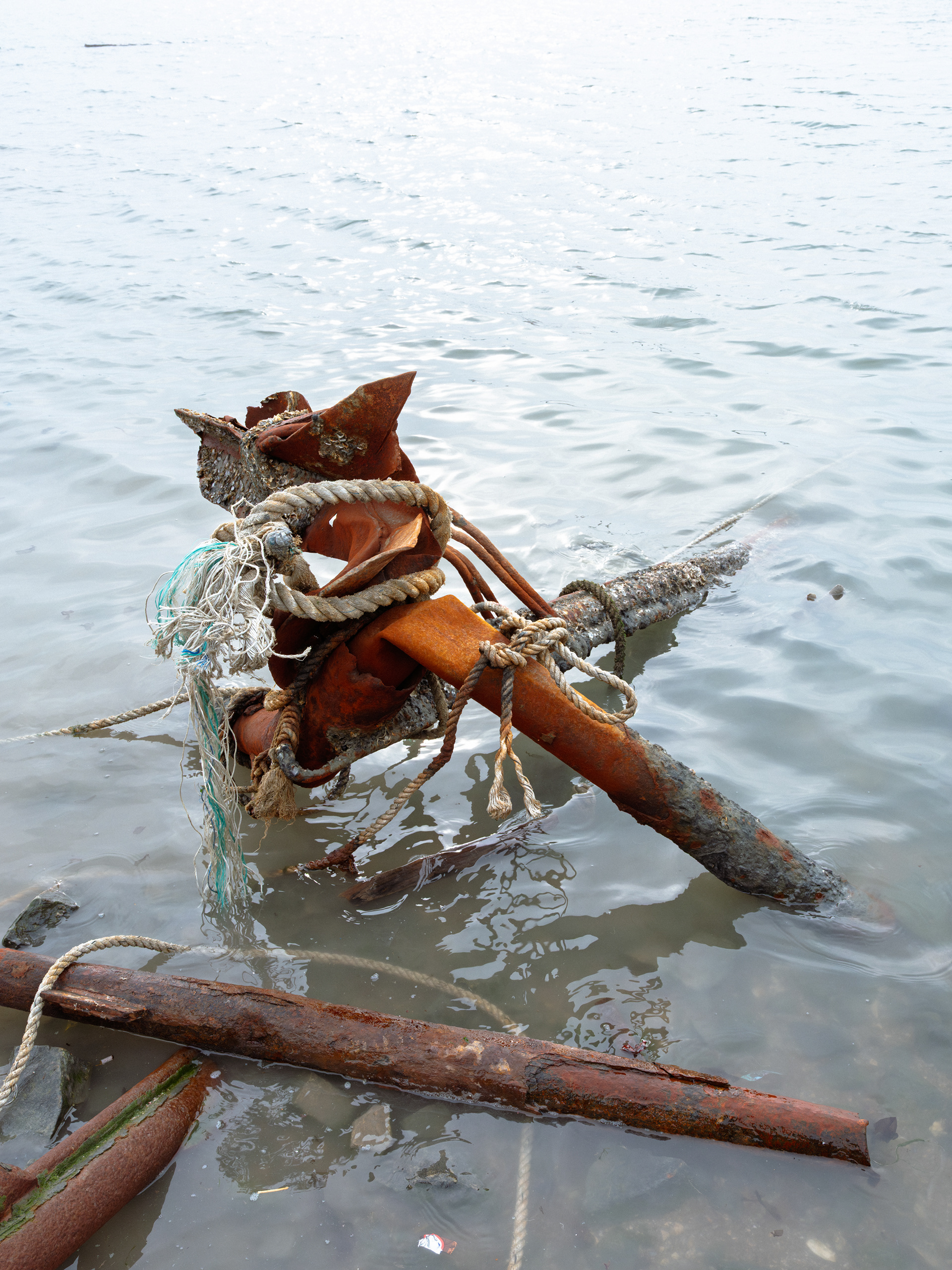
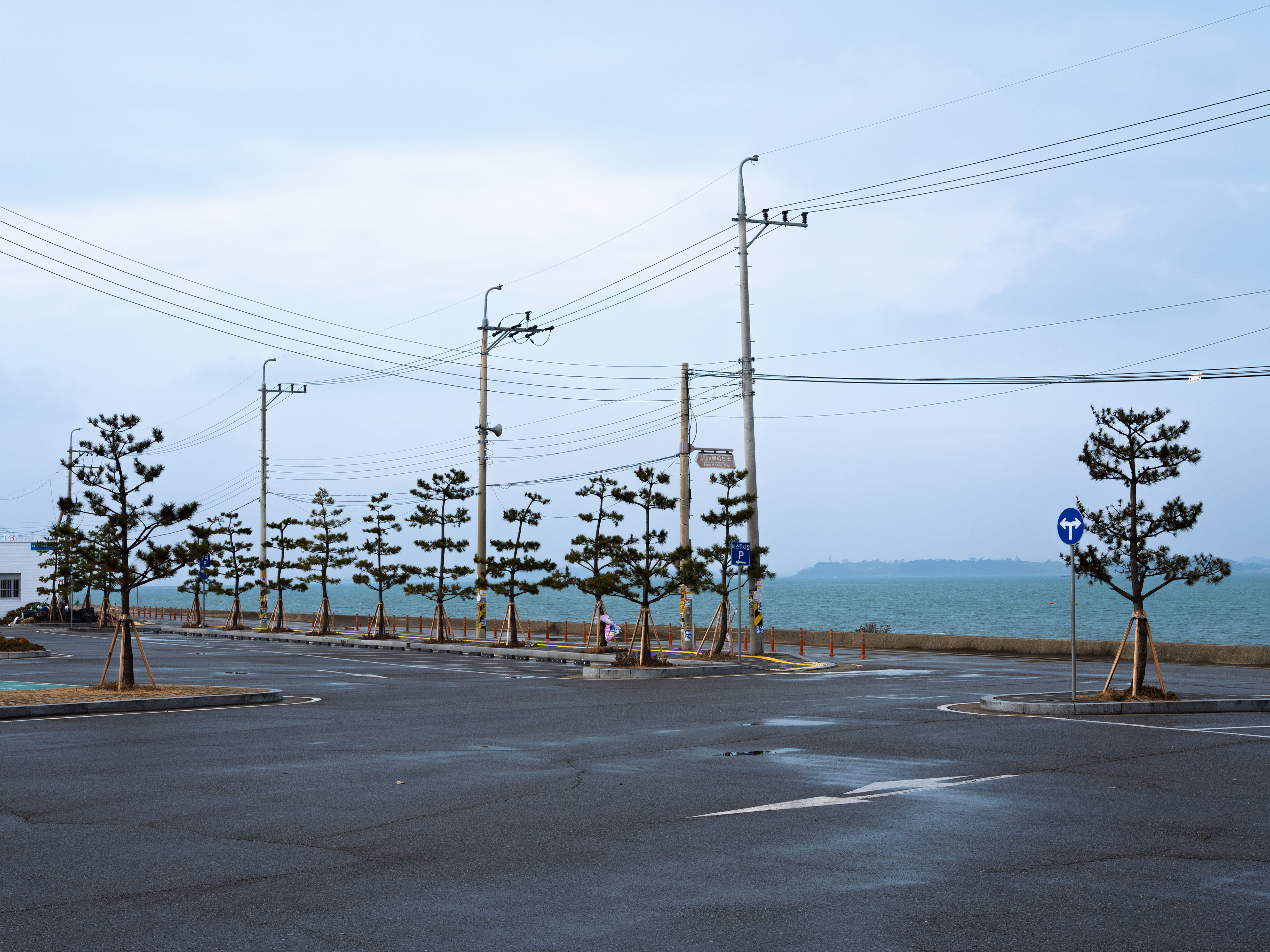
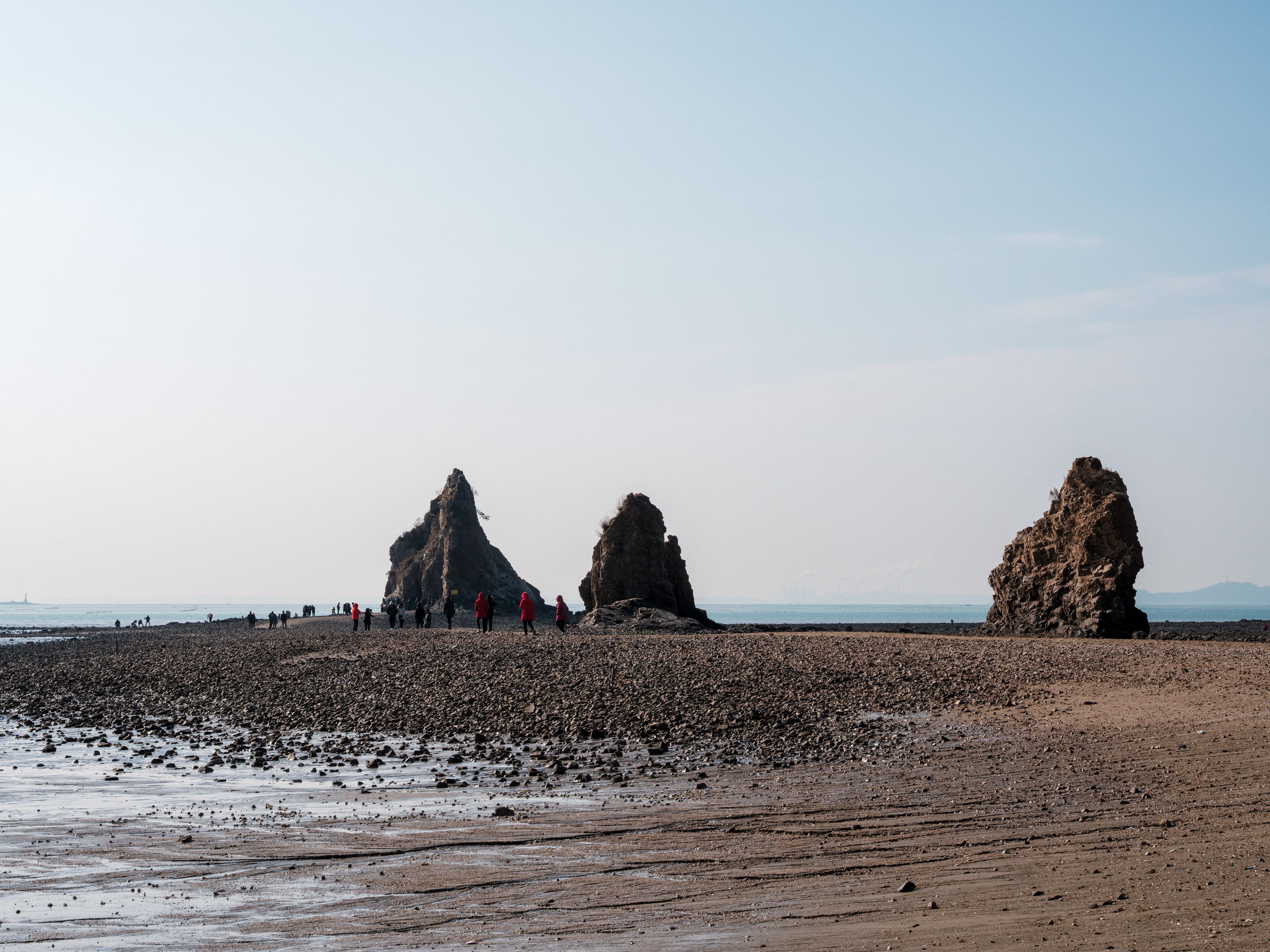
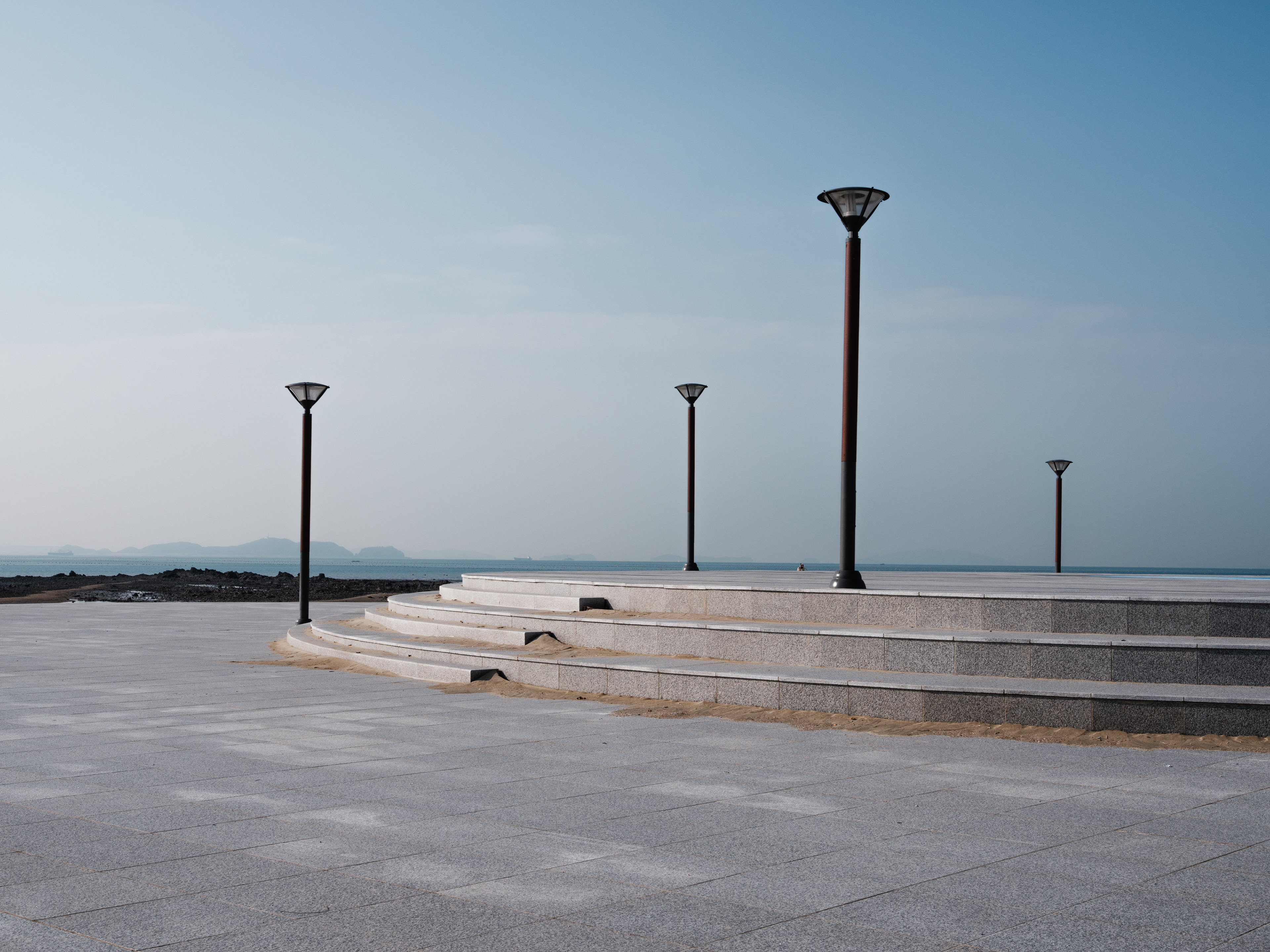
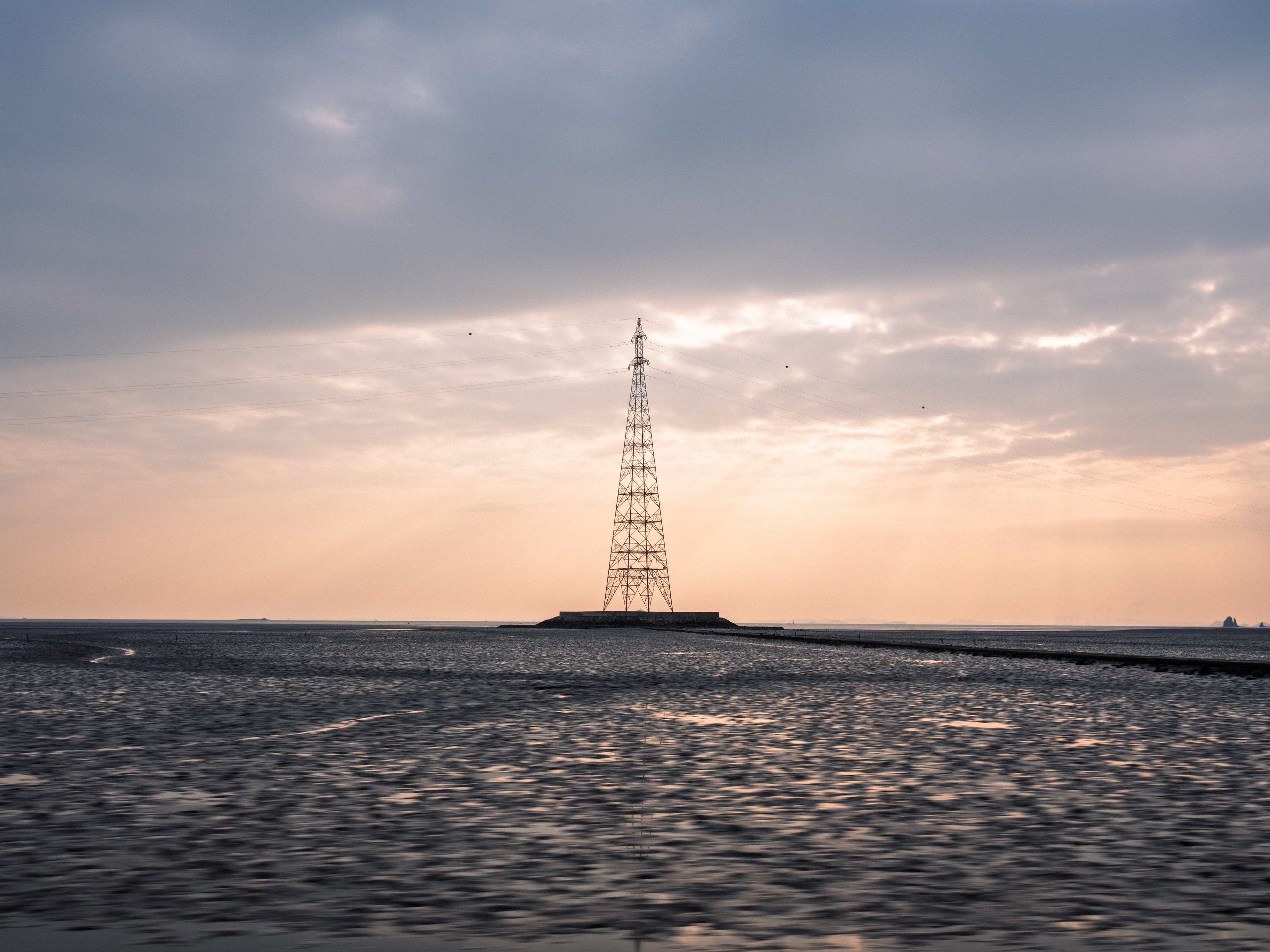
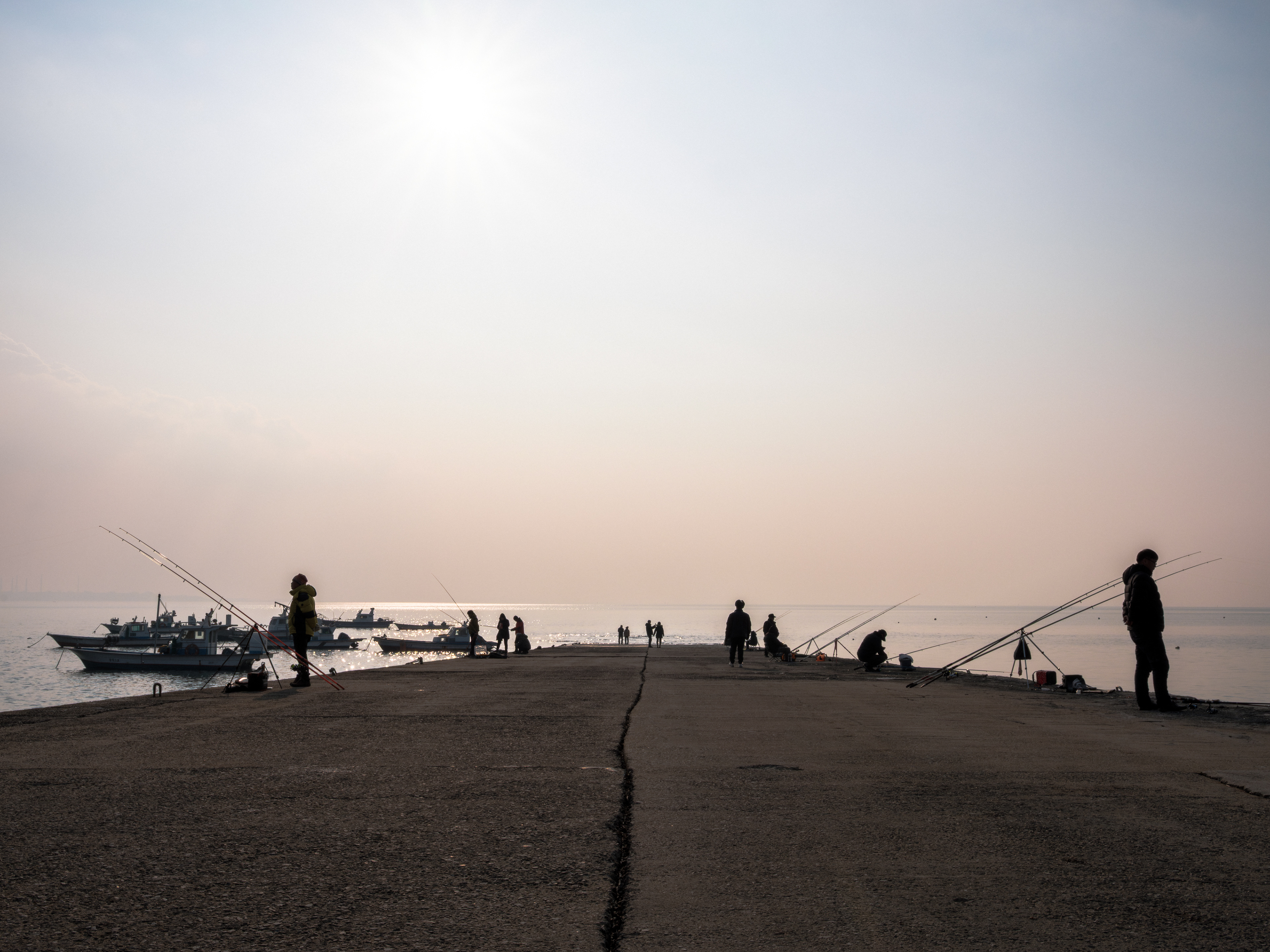
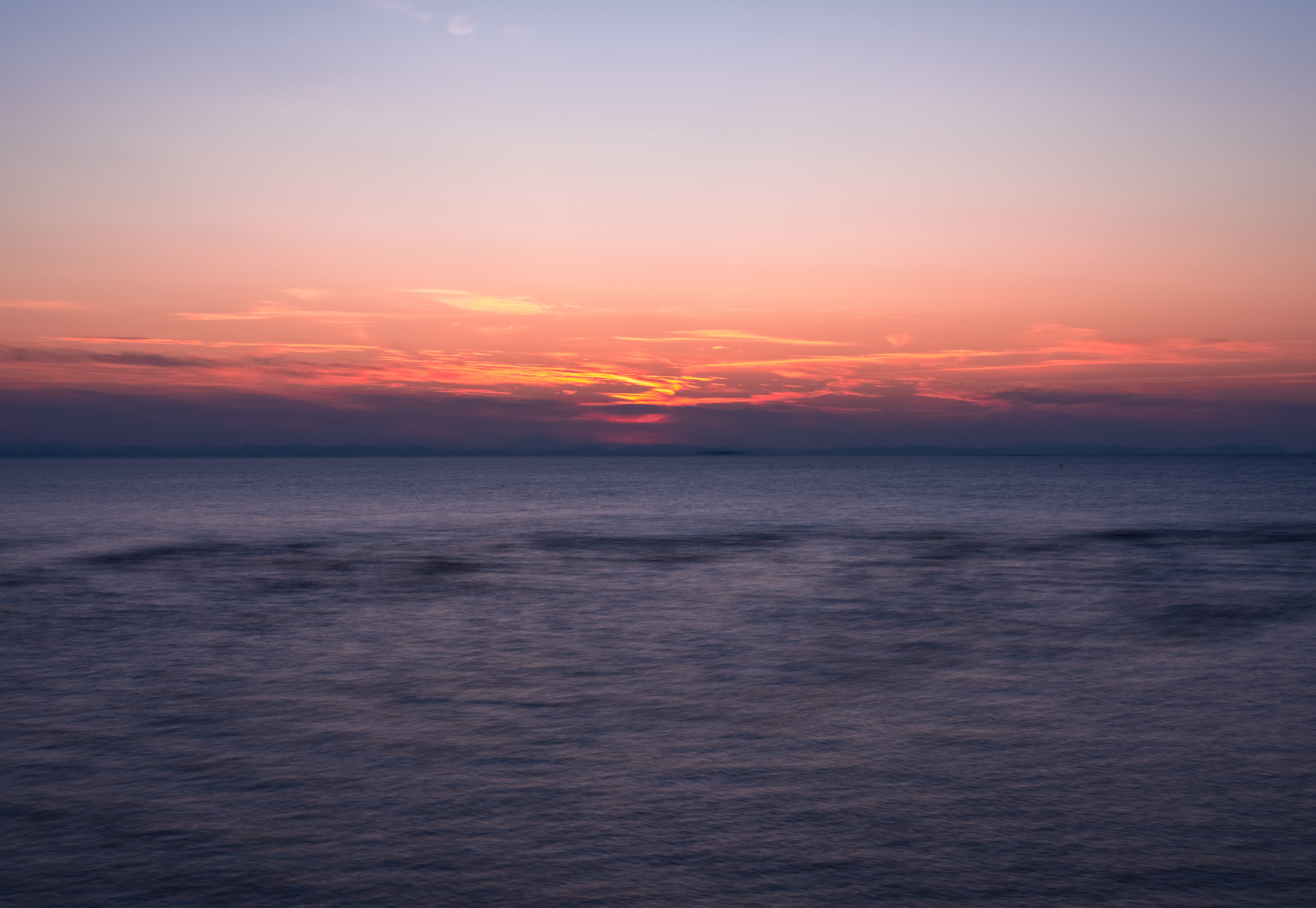
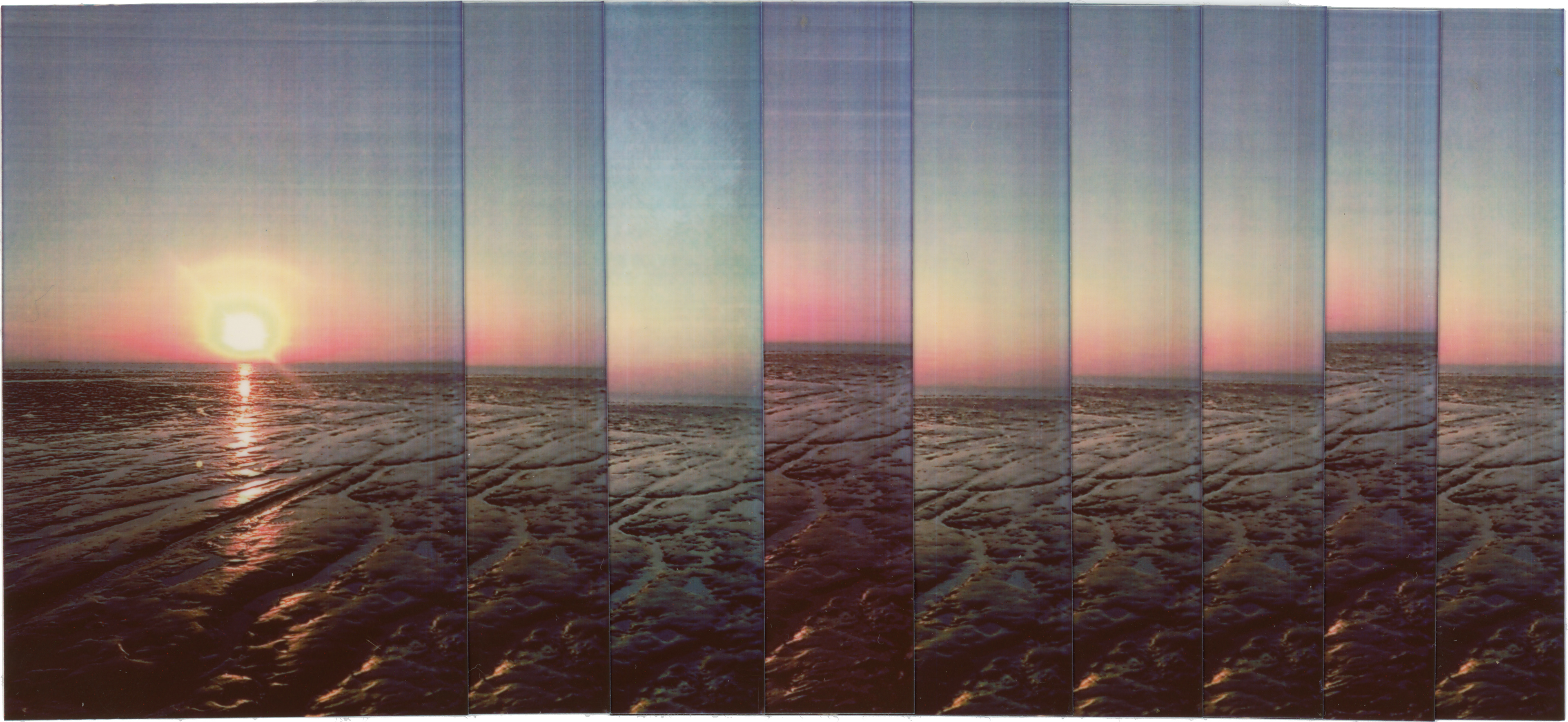
사진을 찍다가도 해 질 무렵이면 늘 화성 방조제에 있는 포구에 서서 사라져가는 오늘의 해와 만조와 간조의 바다, 그리고 이제는 돌아오지 않는 것들에 대해 생각했다. 상처를 남긴 관계는 보통 조악하고 추레한 뒷모습을 남긴다. 언제부턴가 익숙함과 자연스러움에 가려진 것을 모든 것이 시작될 때의 아름다운 모습으로 기억한다는 것은 대단한 수고가 필요한 것이기에, 마치 현실이 원래 그랬던 것처럼 당연시 여기며 우린 살아갔다. 그러나 그 모든 것들을 잃고 난 후에야 알게 되는 사실은, 그 어떤 것도 — 장소도, 풍경도, 누군가의 존재도 — 모두 당연한 건 없었다.
어느 날 밤, 예고도 없이 무언가가 끝났다. 준비할 틈도 없이 찾아온 단절이었다. 누구의 잘못도 아닌, 그저 상황과 시간이 마음을 엉켜버리게 했고, 온몸이 시릴 정도의 고통이 밀려왔다. 그 무엇도 탓할 수도 어찌할 수도 없었다. 그저 직면한 상실과 그 시린 고통 속에서, 변한 삶을 되돌아보며 더 소중히 여기는 것이 마주할 수 있는 최선이었다.
사진을 찍다가도 해 질 무렵이면 늘 화성 방조제에 있는 포구에 서서 사라져가는 오늘의 해와 만조와 간조의 바다, 그리고 이제는 돌아오지 않는 것들에 대해 생각했다. 상처를 남긴 관계는 보통 조악하고 추레한 뒷모습을 남긴다. 언제부턴가 익숙함과 자연스러움에 가려진 것을 모든 것이 시작될 때의 아름다운 모습으로 기억한다는 것은 대단한 수고가 필요한 것이기에, 마치 현실이 원래 그랬던 것처럼 당연시 여기며 우린 살아갔다. 그러나 그 모든 것들을 잃고 난 후에야 알게 되는 사실은, 그 어떤 것도 — 장소도, 풍경도, 누군가의 존재도 — 모두 당연한 건 없었다.
I came across an article saying that the coastline of Gyeonggi Province is gradually turning into mudflats. As seawalls were built to reclaim land for development, silt had steadily accumulated, hardening the tidal flats. The article pointed to the construction of the Sihwa and Hwahong seawalls, along with the large-scale fishing ports and farmland created off the shores of Hwaseong and Gimpo, as the main causes — and warned that the clams, cockles, and oysters once so familiar to these shores might soon be gone for good.
One night, without warning, something ended. It came without giving me time to prepare — a severance that arrived out of nowhere. No one was to blame. Circumstances and time had tangled everything together, and a wave of pain followed, sharp enough to chill the bones. There was nothing to fault, nothing to be done. The only thing I could do was stand before that loss, in that cold ache, and look back at a life that had changed — and try to hold more carefully what still remained.
Even in the middle of shooting, whenever dusk came I would find myself standing at the small port on the Hwaseong seawall, thinking about the sun disappearing at the day's end, the sea shifting between high tide and low — and all the things that would not come back. When something leaves a wound, it tends to leave an ugly shape behind it. Somewhere along the way, remembering the beauty of how things began — beneath all the layers of familiarity and routine — becomes an act that takes real effort. So we lived as though the world had always been this way, as though everything around us was simply given. But it is only after losing it all that we come to understand: nothing was ever a given — not a place, not a landscape, not the presence of someone beside us.
One night, without warning, something ended. It came without giving me time to prepare — a severance that arrived out of nowhere. No one was to blame. Circumstances and time had tangled everything together, and a wave of pain followed, sharp enough to chill the bones. There was nothing to fault, nothing to be done. The only thing I could do was stand before that loss, in that cold ache, and look back at a life that had changed — and try to hold more carefully what still remained.
Even in the middle of shooting, whenever dusk came I would find myself standing at the small port on the Hwaseong seawall, thinking about the sun disappearing at the day's end, the sea shifting between high tide and low — and all the things that would not come back. When something leaves a wound, it tends to leave an ugly shape behind it. Somewhere along the way, remembering the beauty of how things began — beneath all the layers of familiarity and routine — becomes an act that takes real effort. So we lived as though the world had always been this way, as though everything around us was simply given. But it is only after losing it all that we come to understand: nothing was ever a given — not a place, not a landscape, not the presence of someone beside us.