고등학생 때 길거리에서 먼지를 내며 공사 중인 현장 외벽으로 숲속의 이미지가 펼쳐져 있던 것을 보았다.
뒤편엔 모래와 시멘트가루가 흩날리는 거대한 건축 현장이었지만 나무와 풀냄새가 느껴질 법한 자연의 이미지가 펼쳐져 있었다.
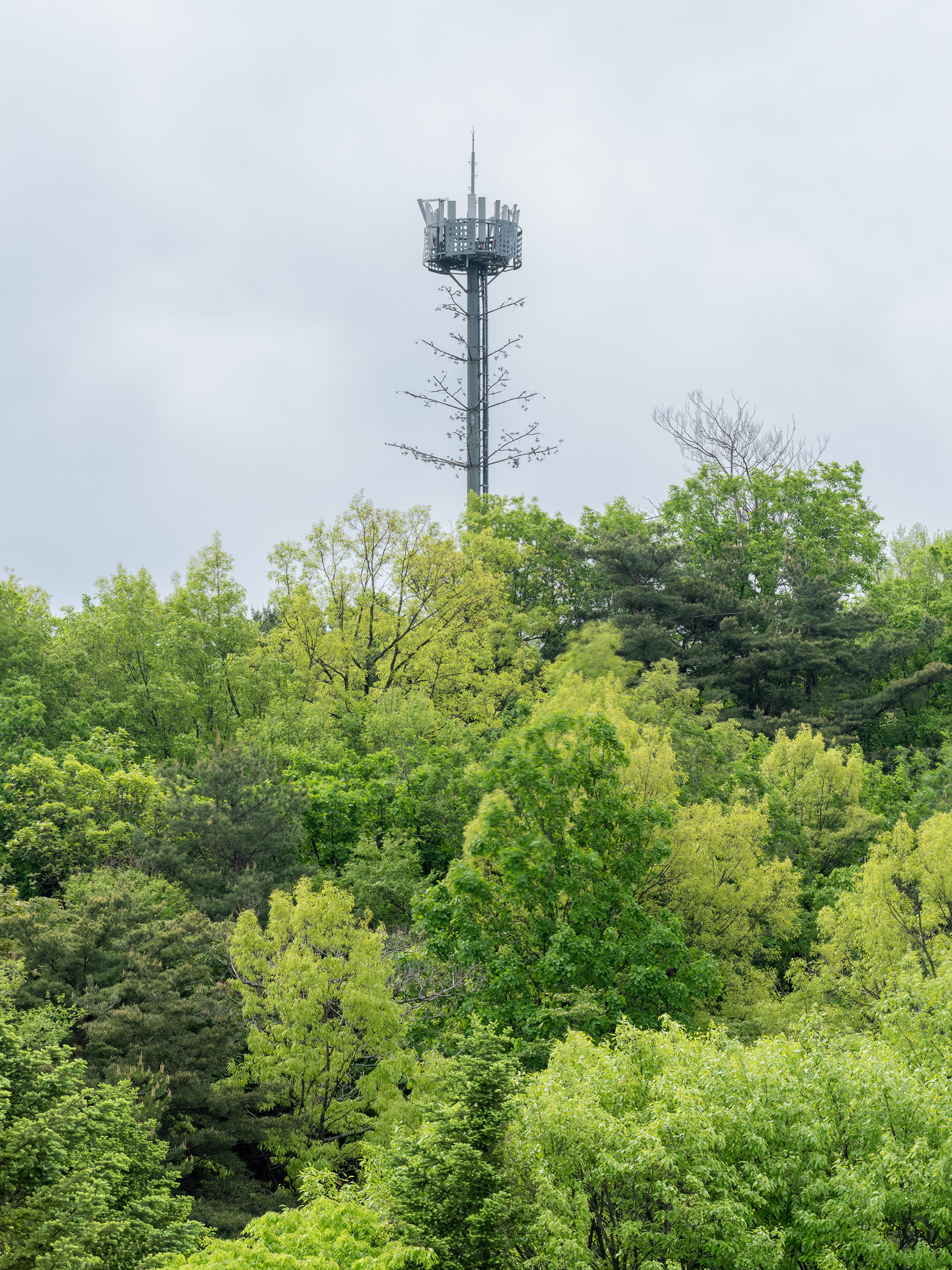
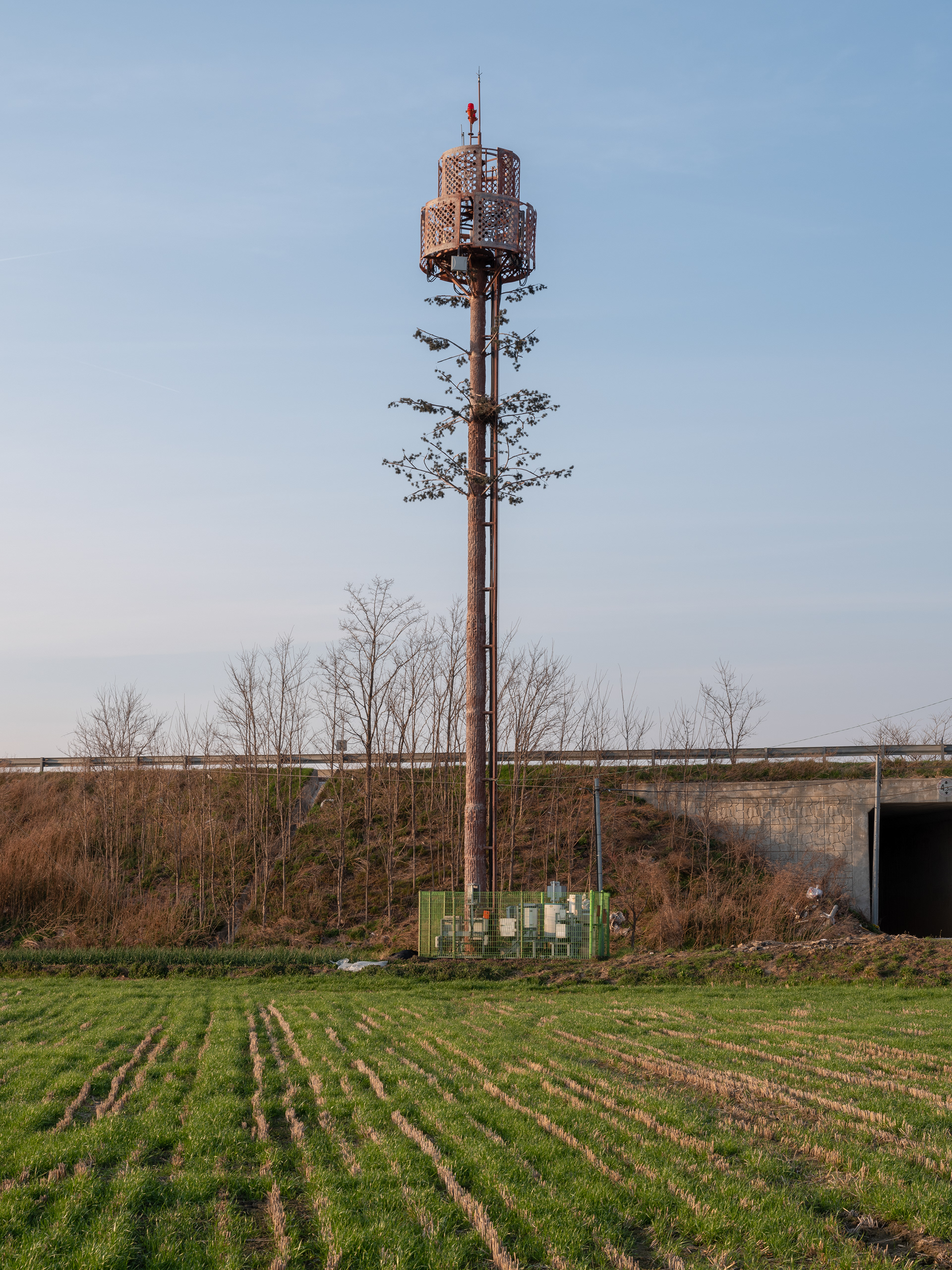
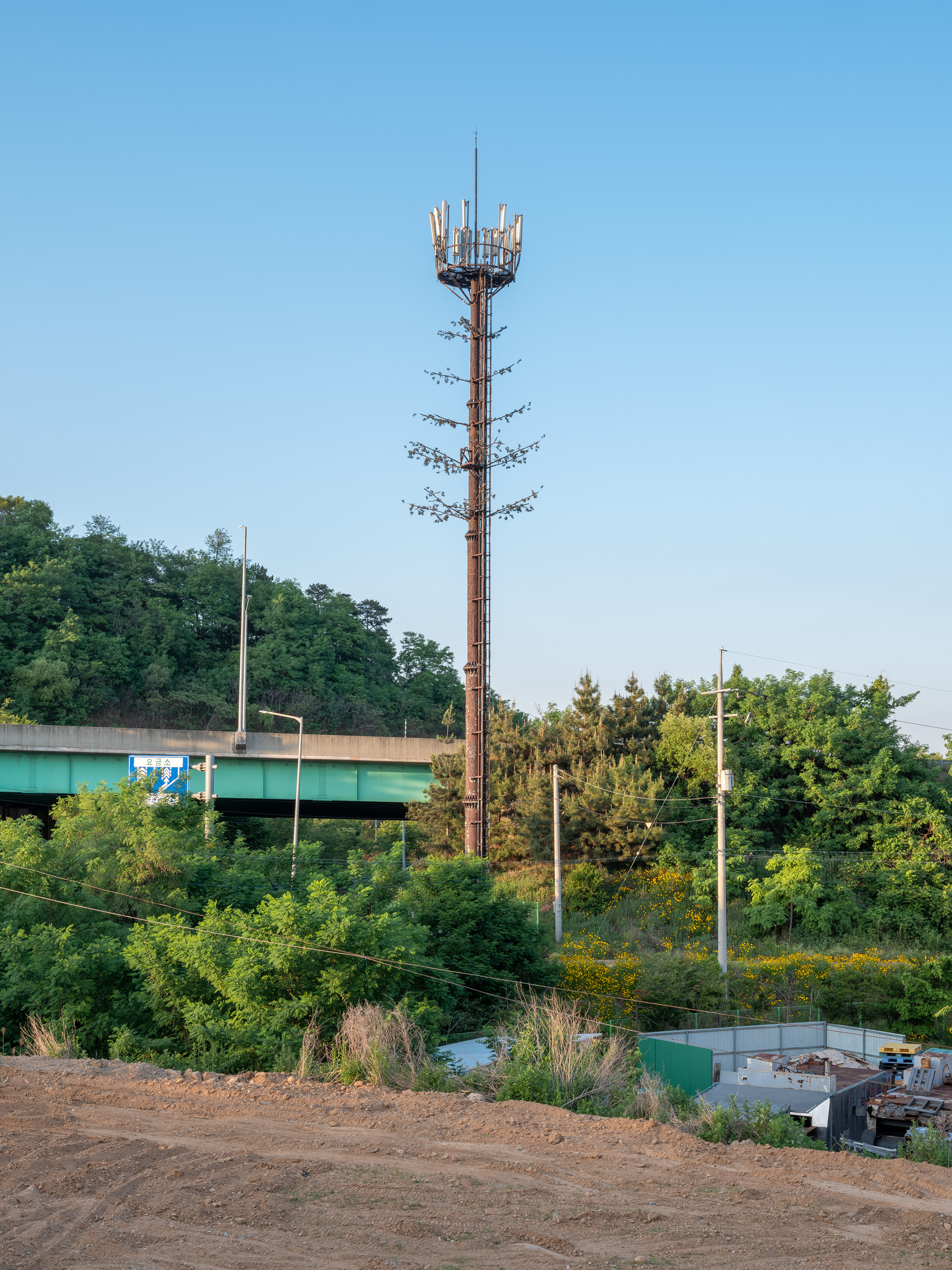
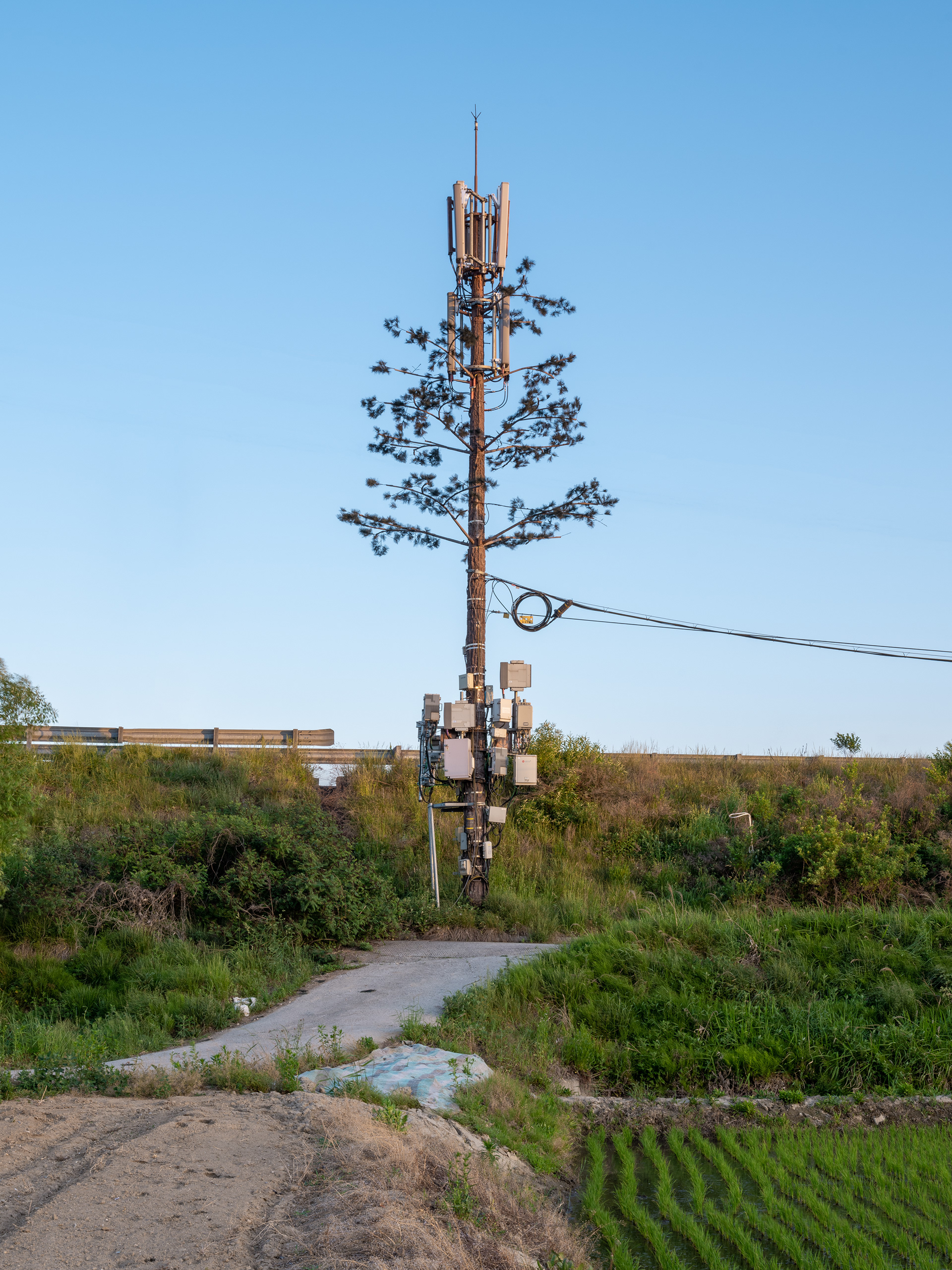
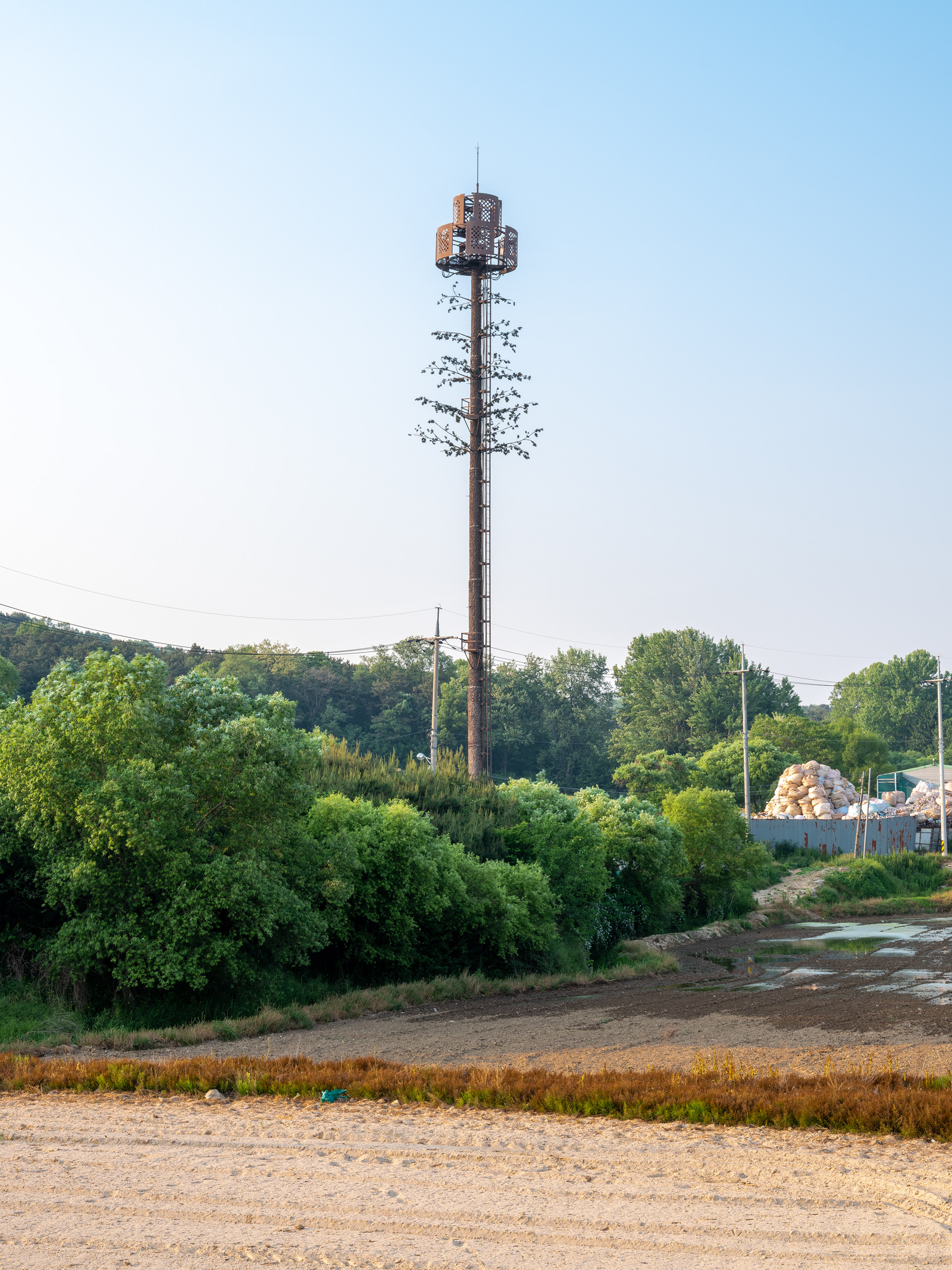
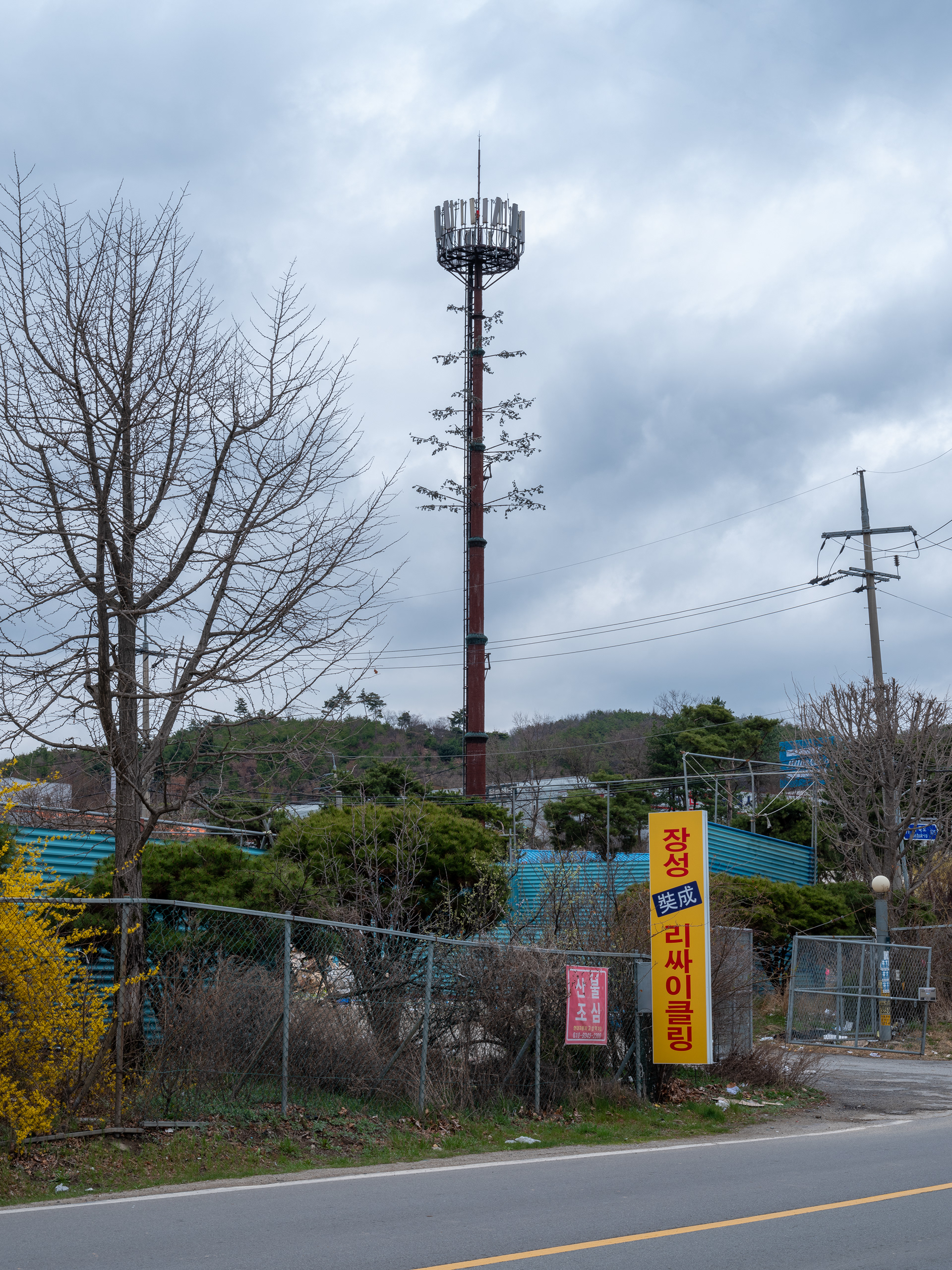
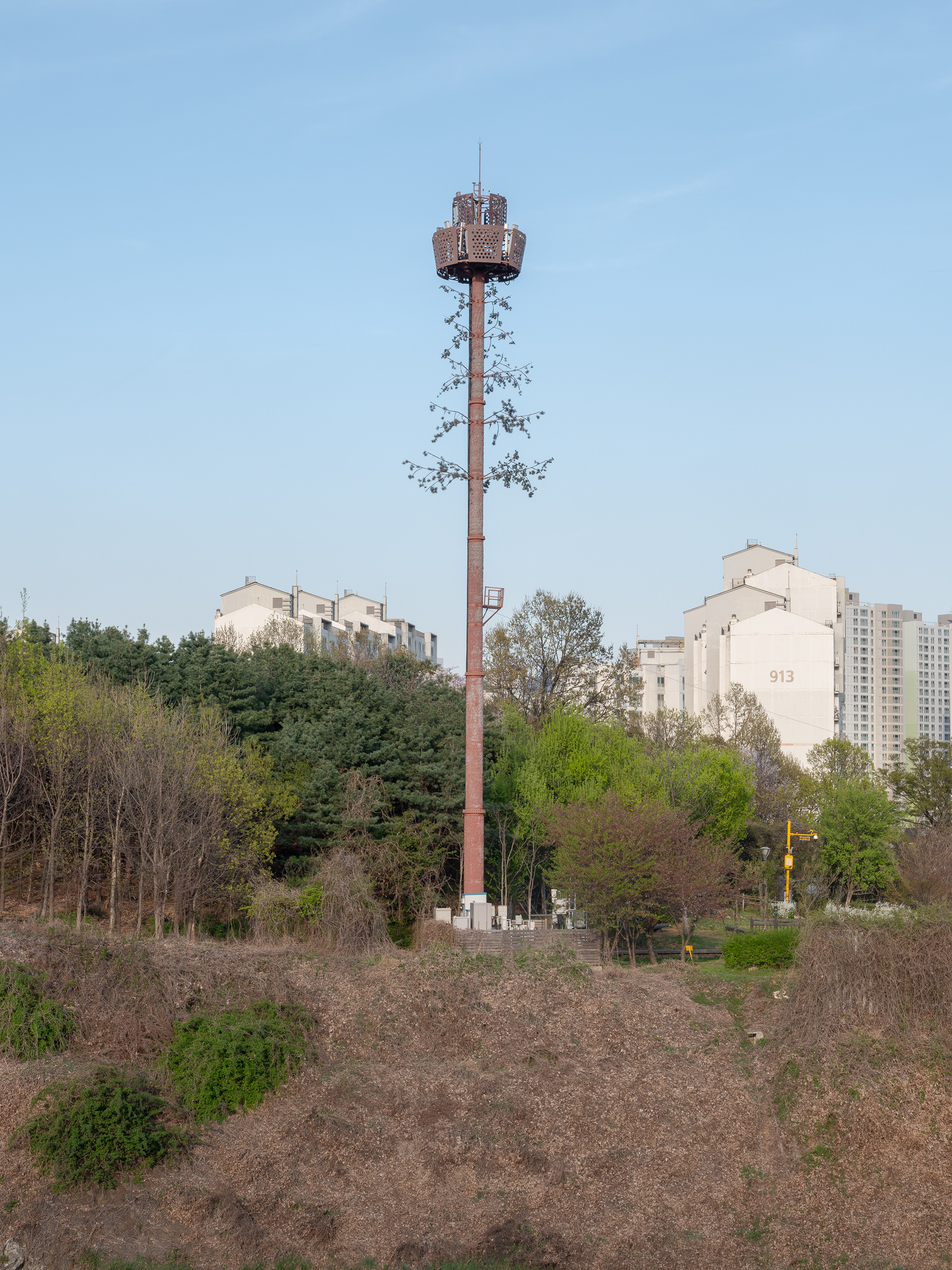
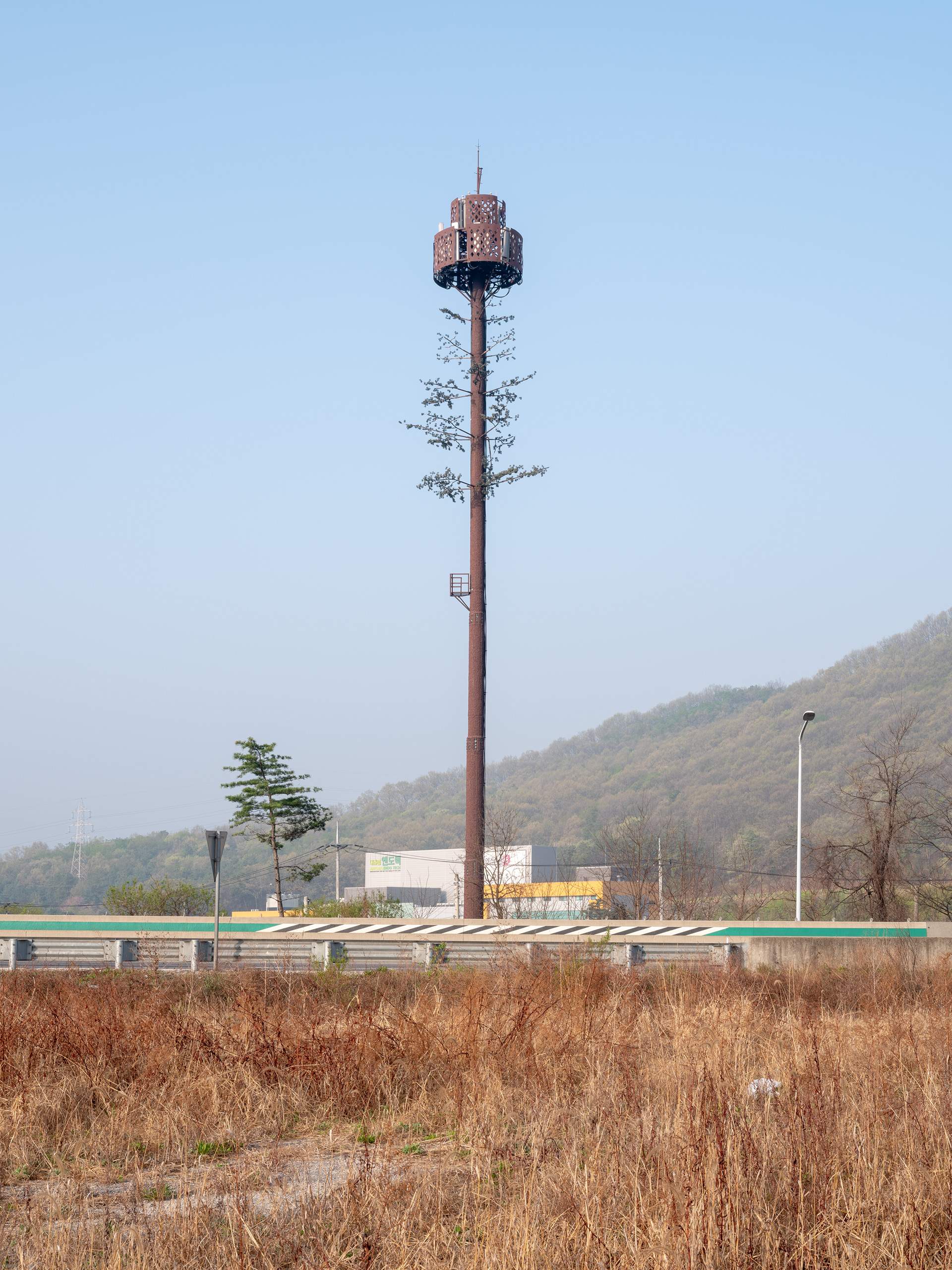
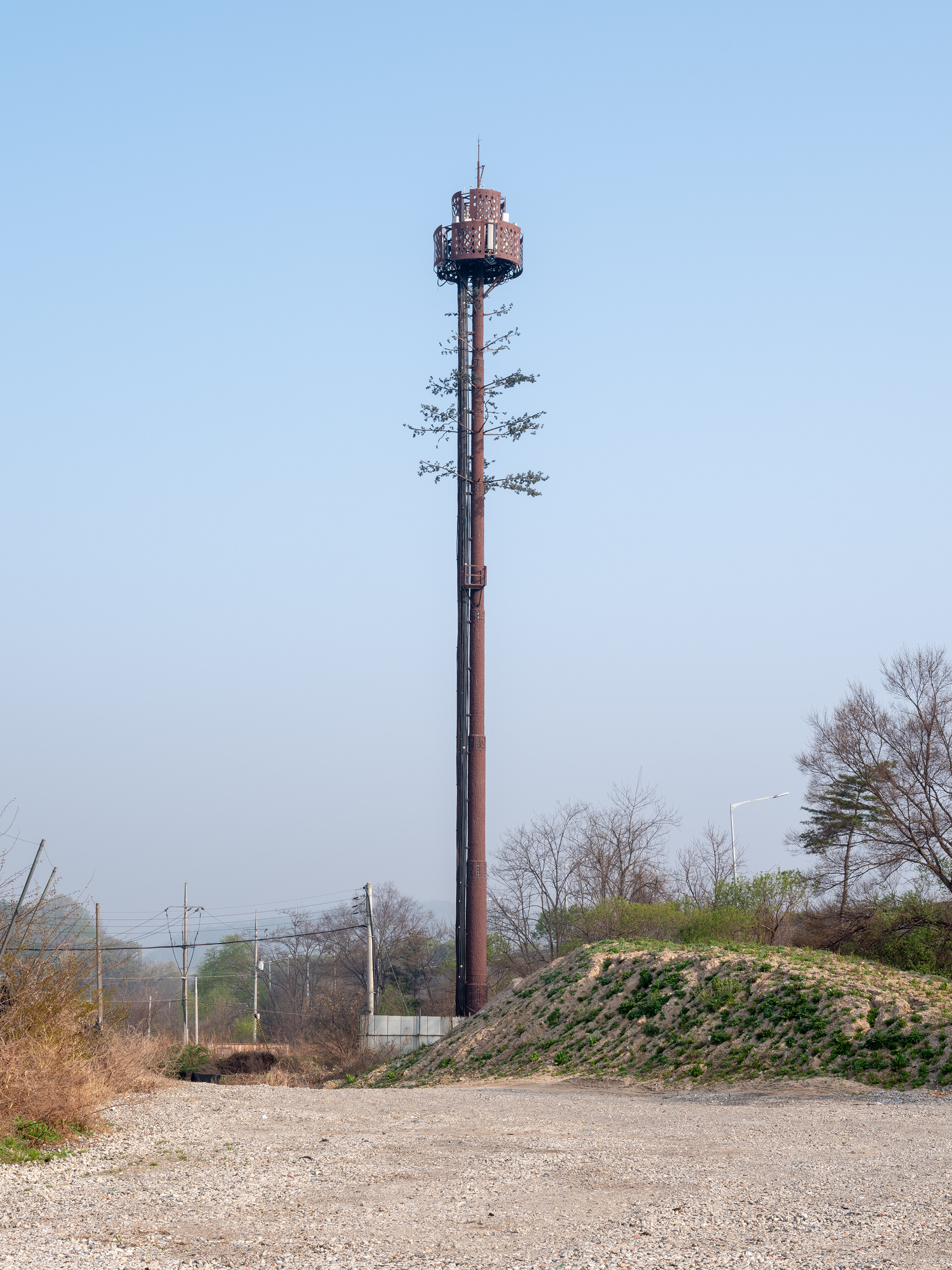
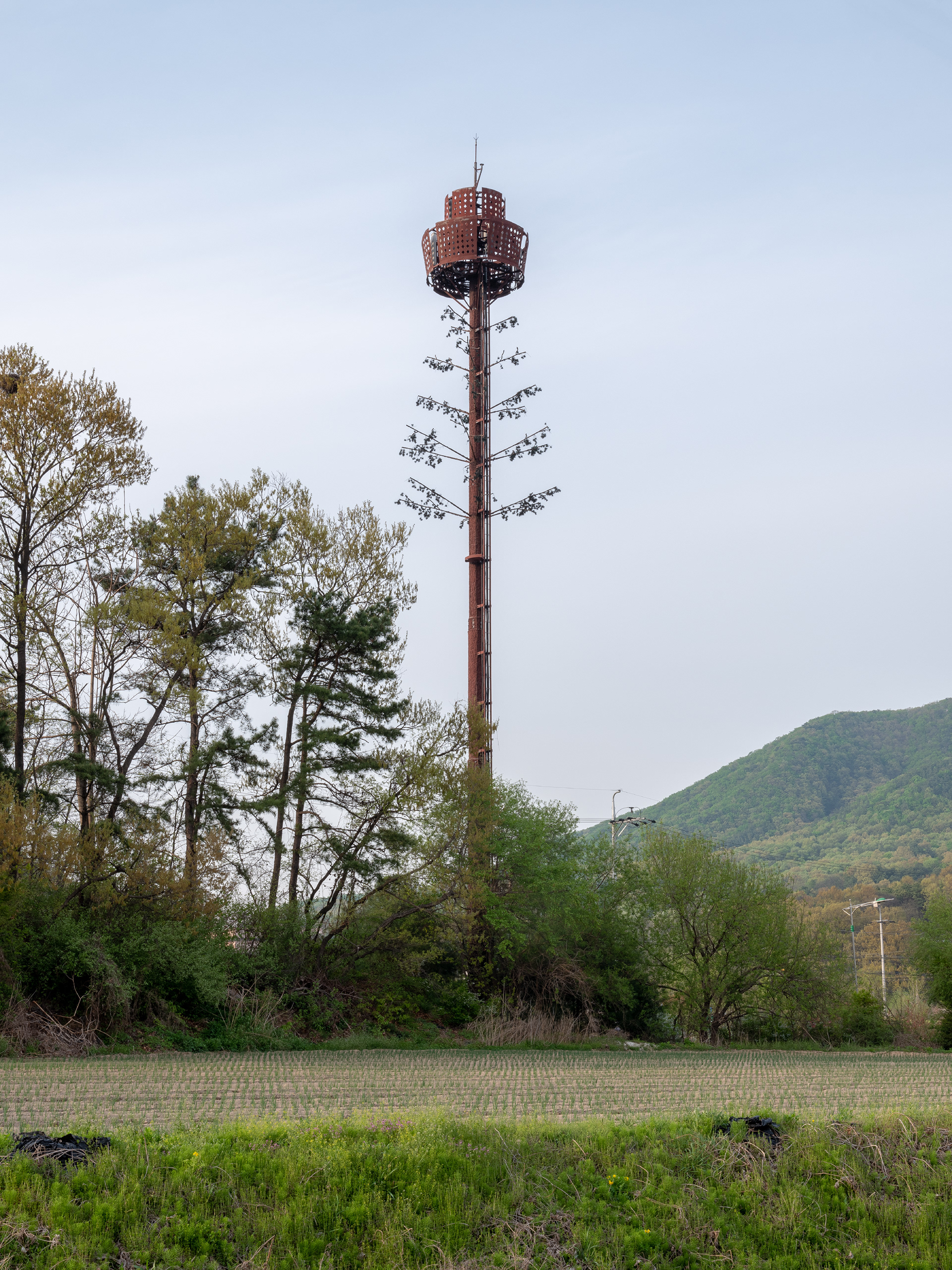
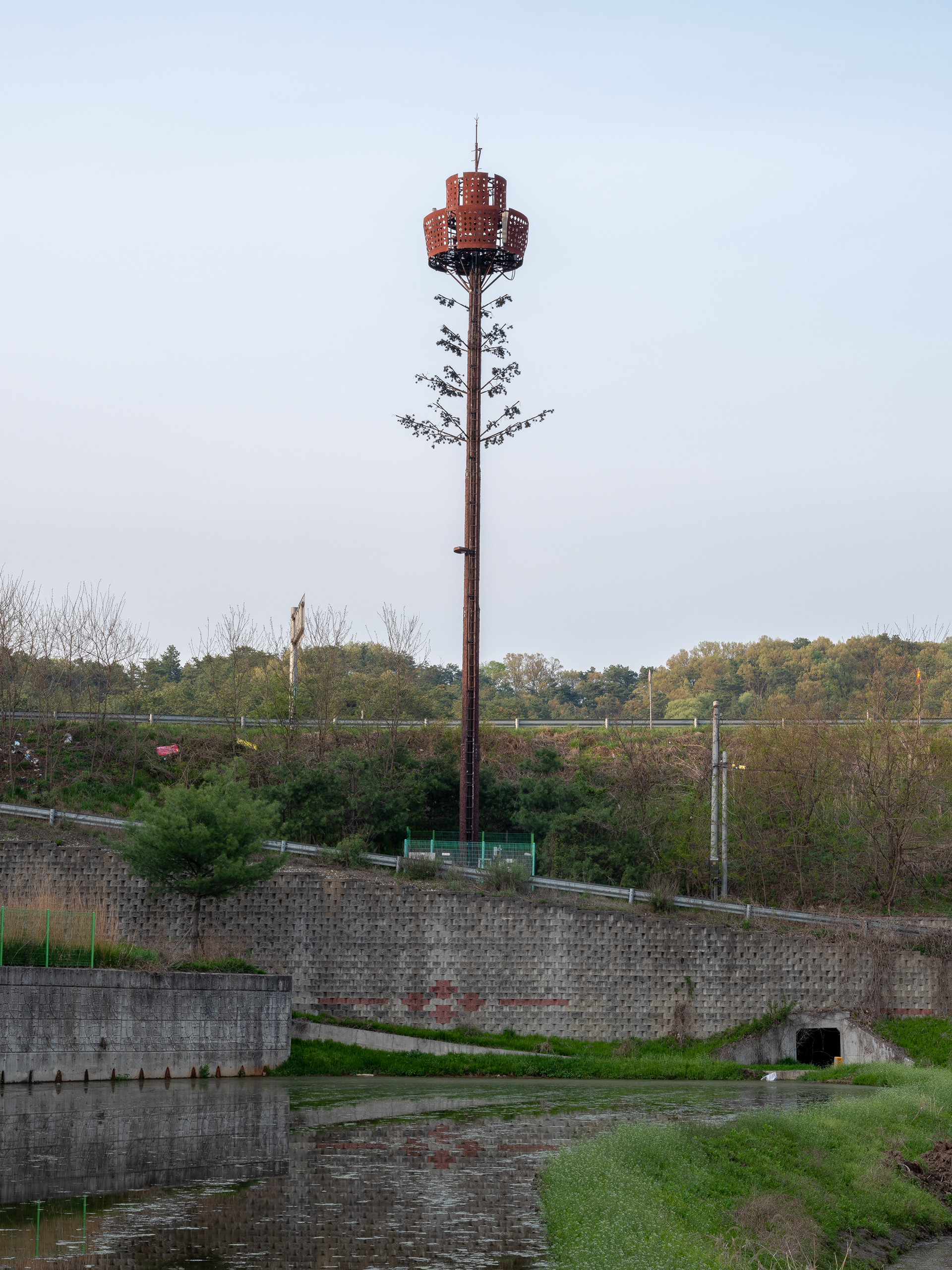
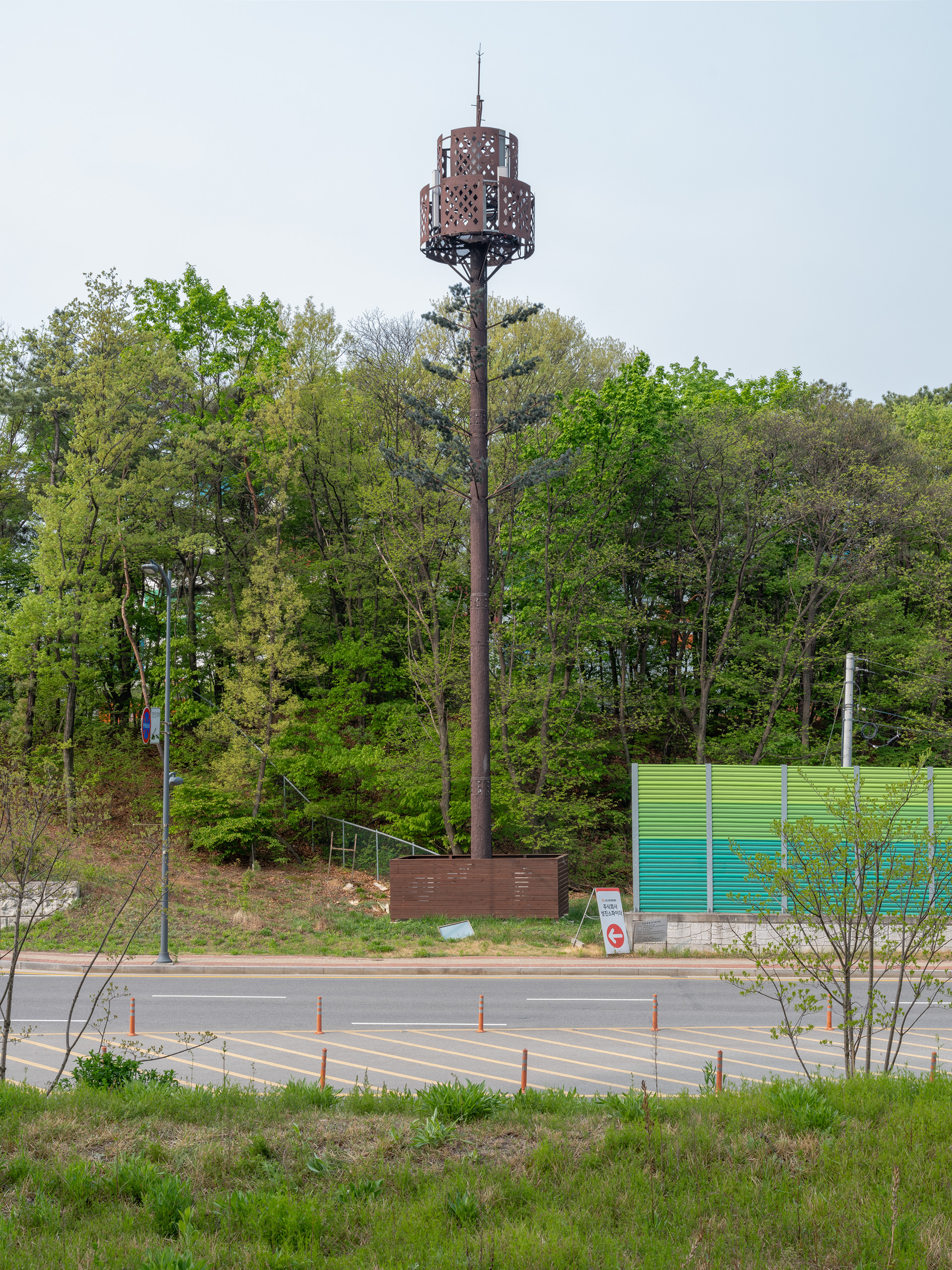
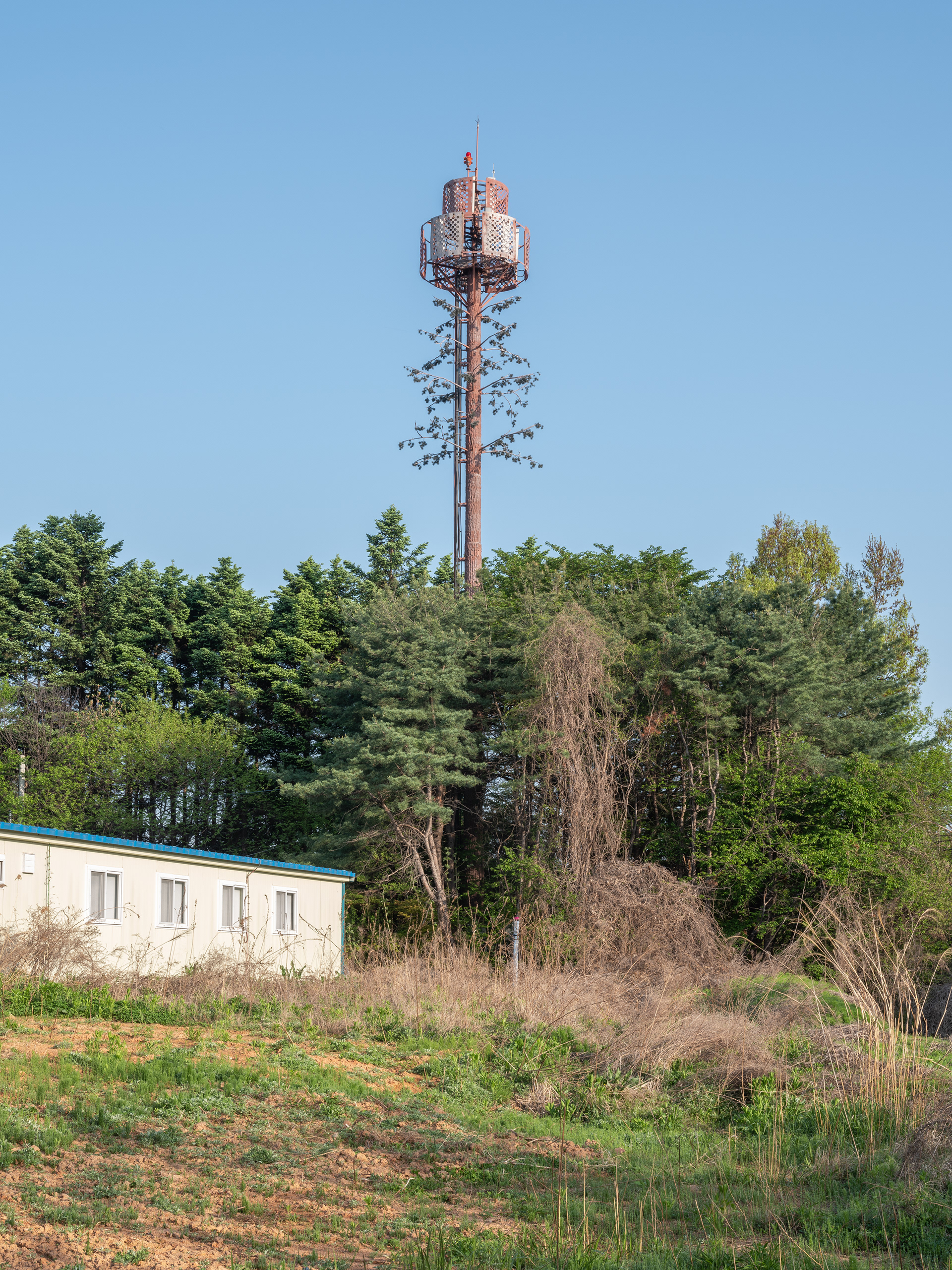
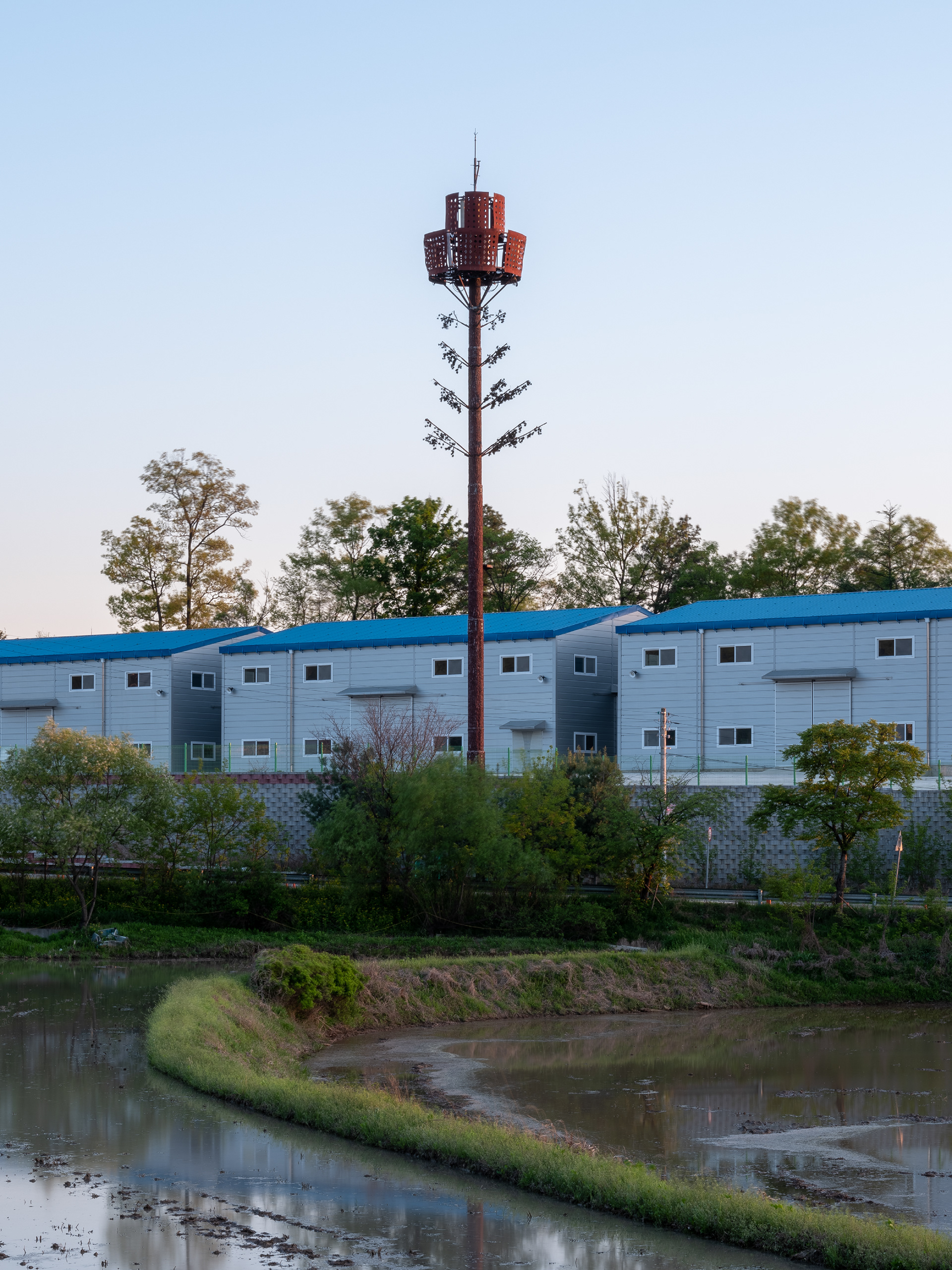
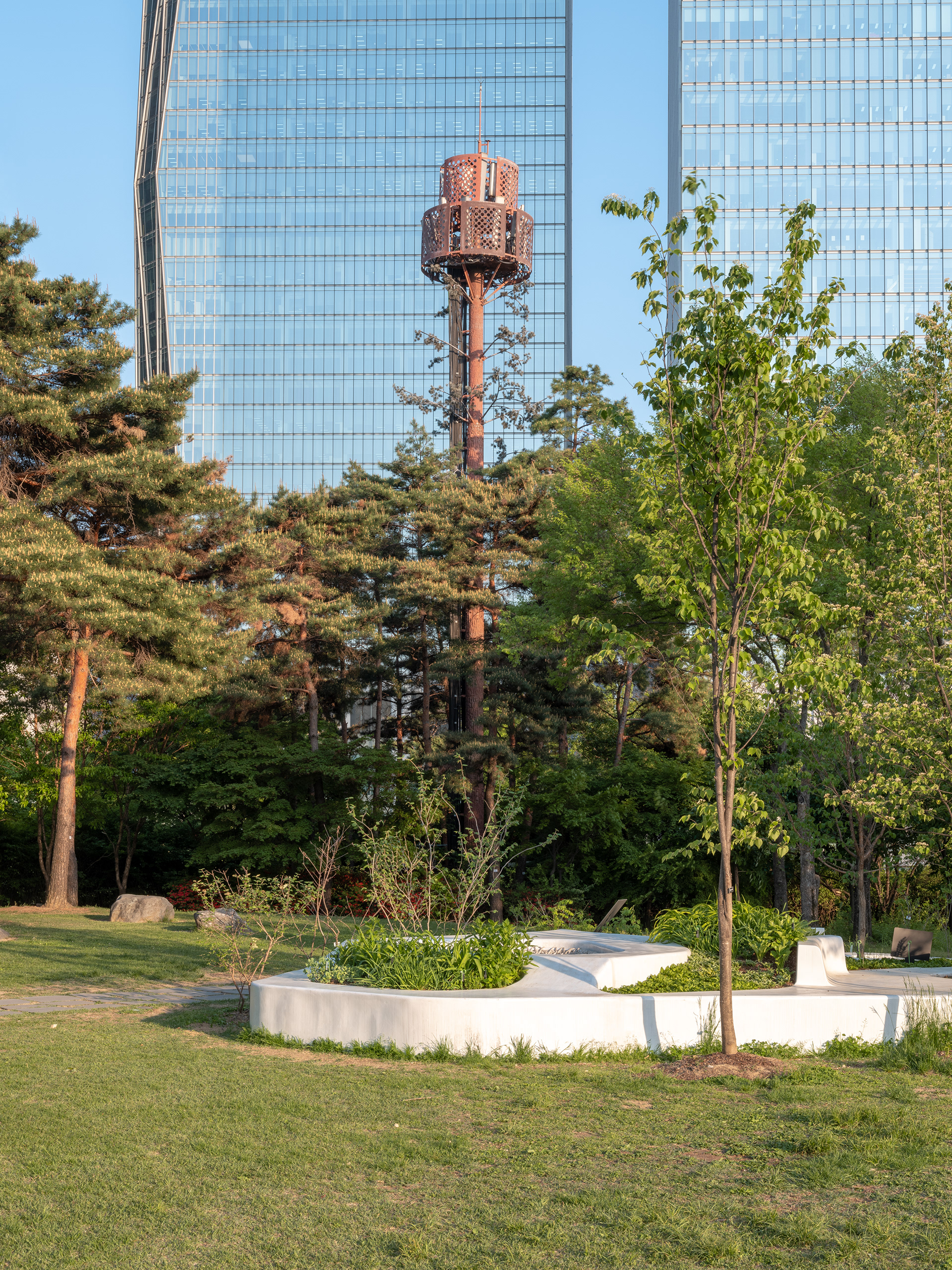
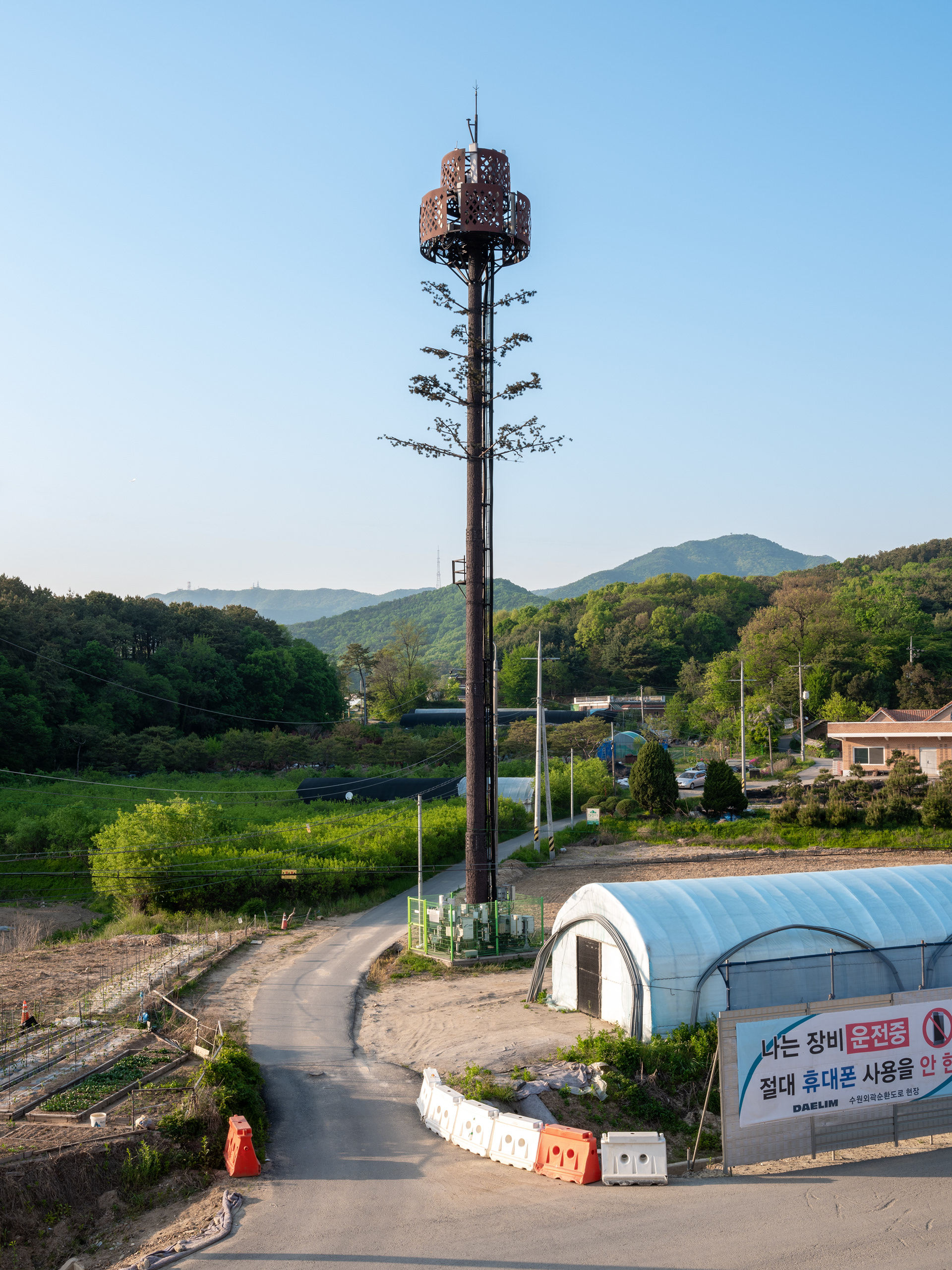
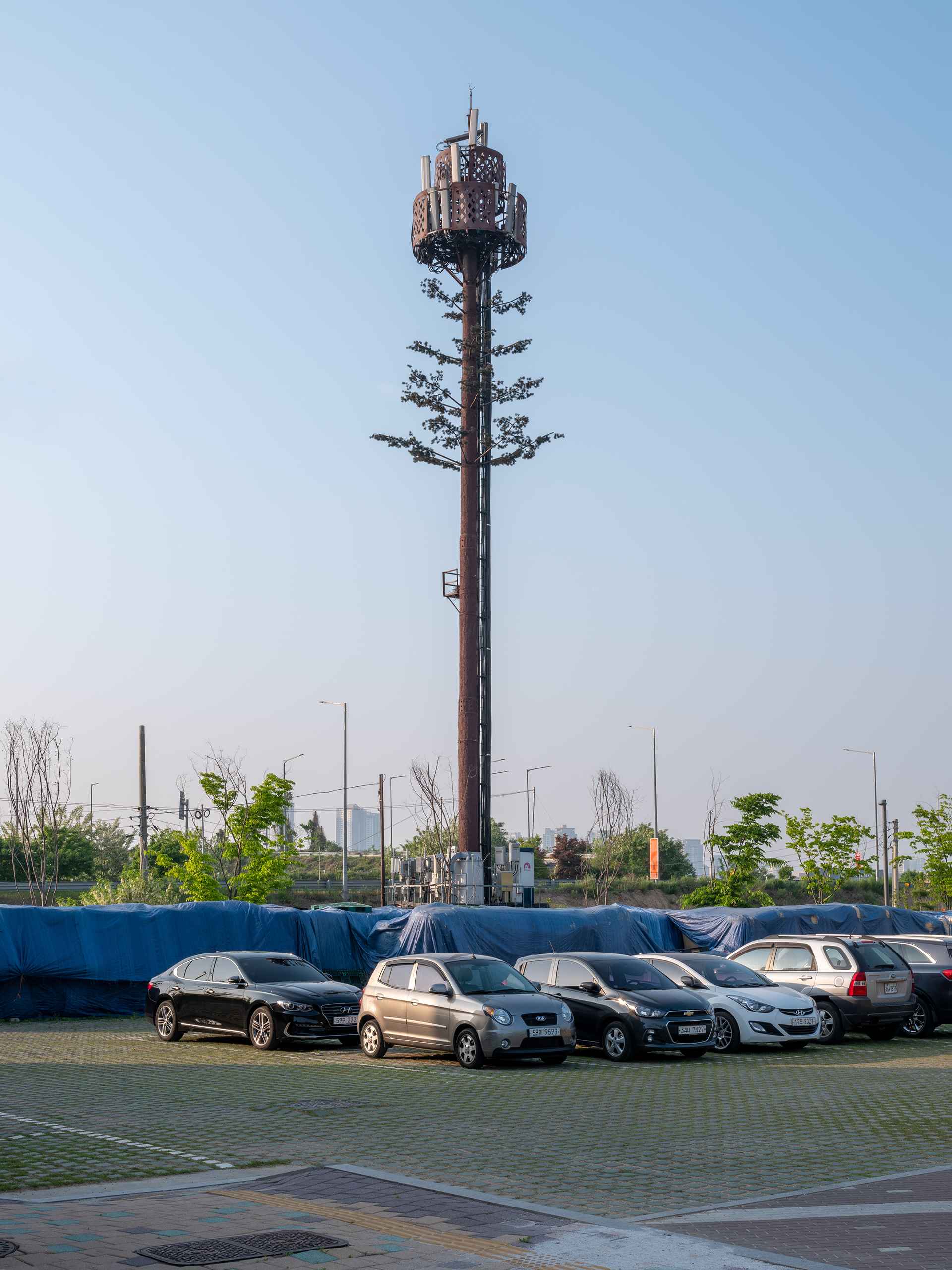
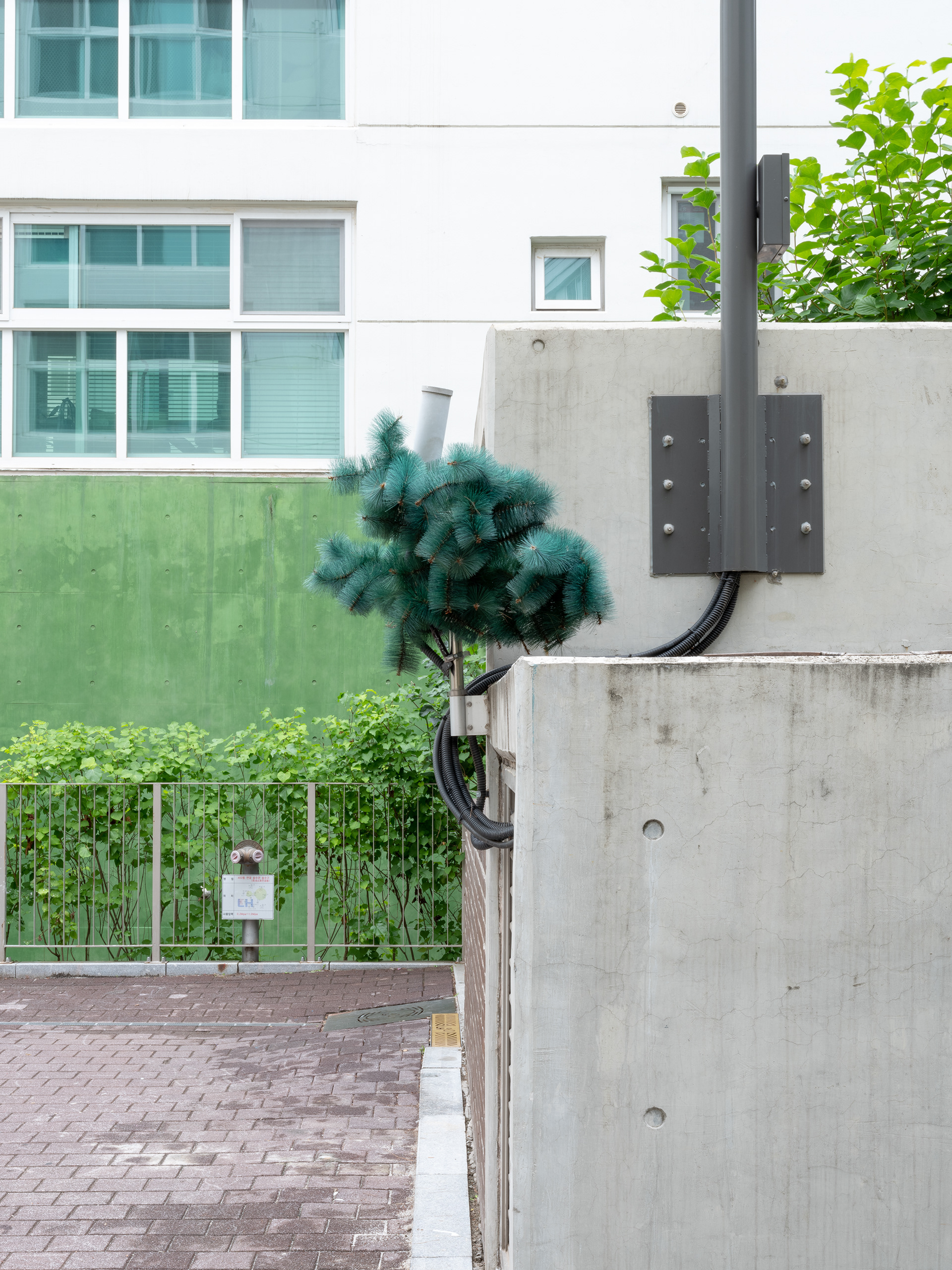
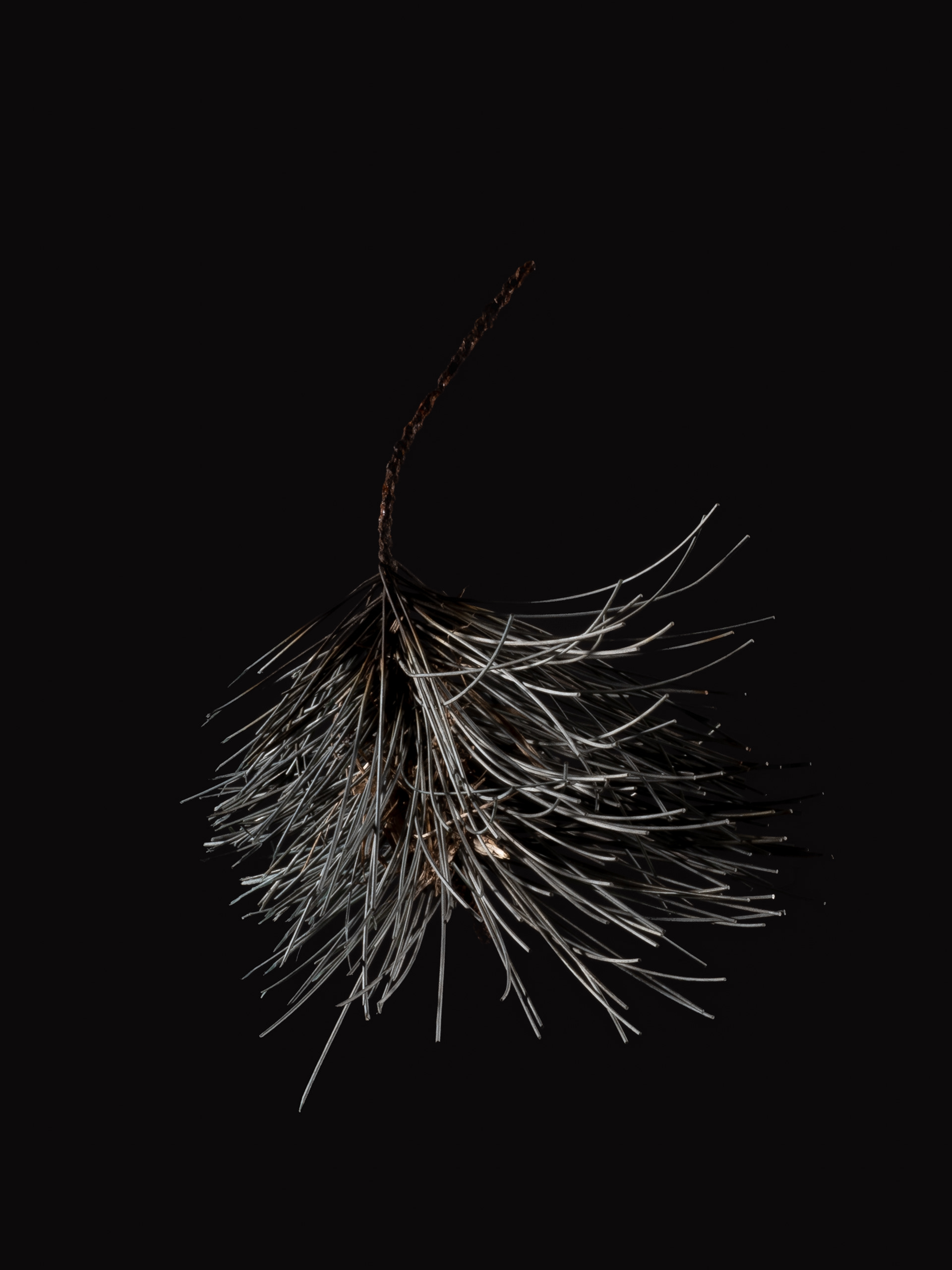
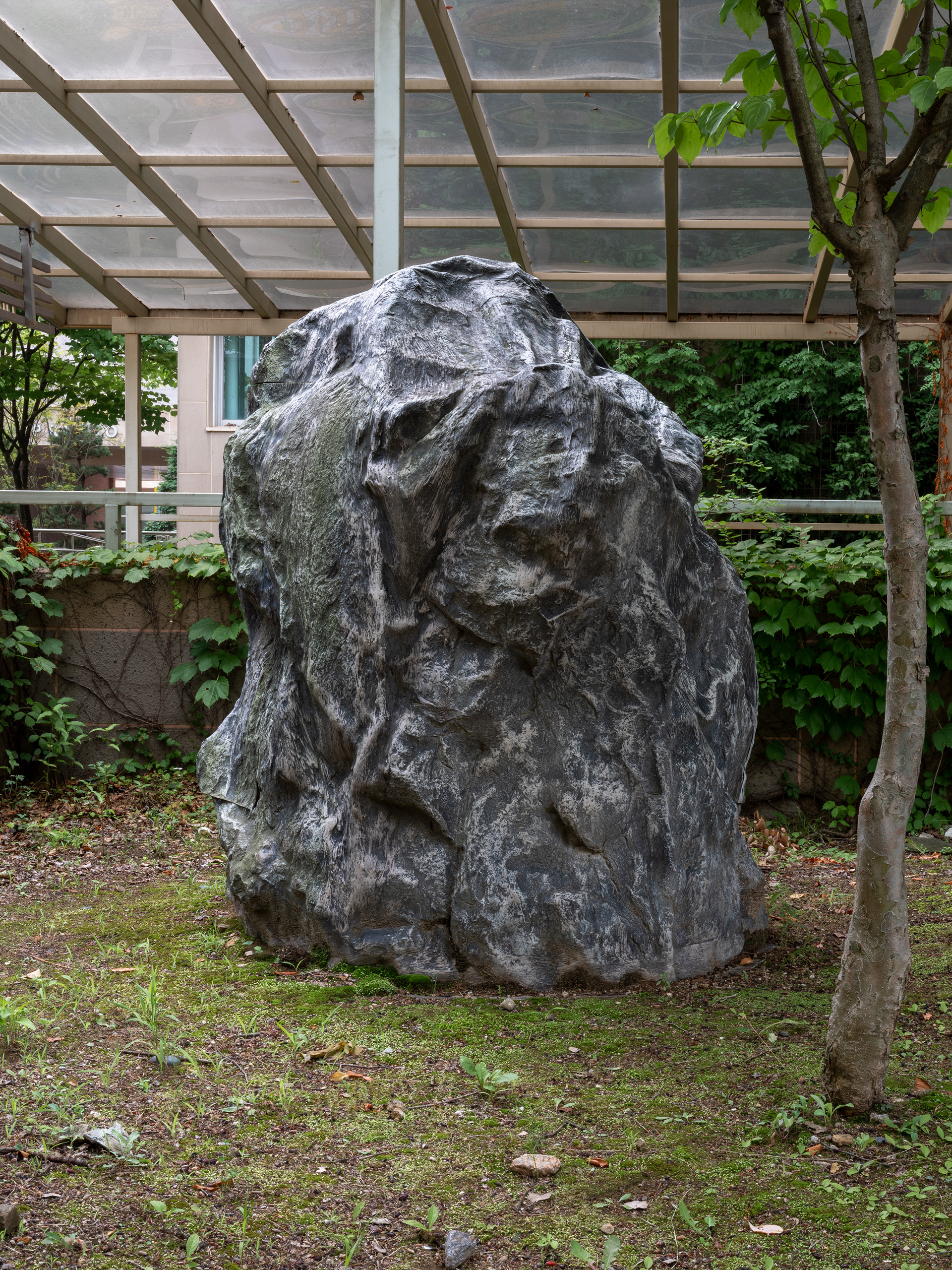
이번 작업의 대상들은 나무로 위장된 통신주, 장비를 넣기 위한 텅 빈 플라스틱 바위 등의 것이다.
이 대상들은 과거엔 사람들의 편의성을 위해 생겨난 필요불가결한 존재들이었기에 시선이 가지 않았던 대상들이었지만 지금의 시점에 와서는 인위적 쇳덩어리의 구조물이 사람들의 눈을 불편하게 만들기에 충분했다.
그래서 이 대상들은 미관침해와 전자파 갈등을 예방하기 위해 2011년 제정된 환경친화적 설치 명령에 따라 구조물들이 친환경의 이름으로 자연의 형상을 띄고 은폐되 어 주변과 조화를 이루고 자연환경에 대한 영향을 최소화하게끔 설치되기 시작했다.
하지만 장비 들이 설치되는 지리적 위치와 주변 환경과 조화를 이루기보단 오히려 더욱 인위적으로 느껴지는 어설픈 형태와 제작방식의 효용성에 대한 또 다른 논란이 생기게 되었다.
이 작업은 인간이 만들어낸 인위적 자연의 대상에 대한 의문이다.
왜 하필이면 친환경, 자연의 형태일까. 자연이라는 말의 뜻은 스스로 그러함이다.
그러니 자연스럽다는 말은 어떤 외부적 힘에 작용되지 않은 대상의 상태, 애초부터 그러하기로 결정된 방식 그대로의 모습으로 존재하는 것을 말하는 것이다.
하지만 자연은 언제나 한결같이 제 자리 그대로의 것이 아니었다.
자연은 때론 역사의 반대로, 기술의 반대로, 문화와 문명의 반대로 이해되며 사람이 부여하는 의미와 가치를 포함하는 대상이었다.
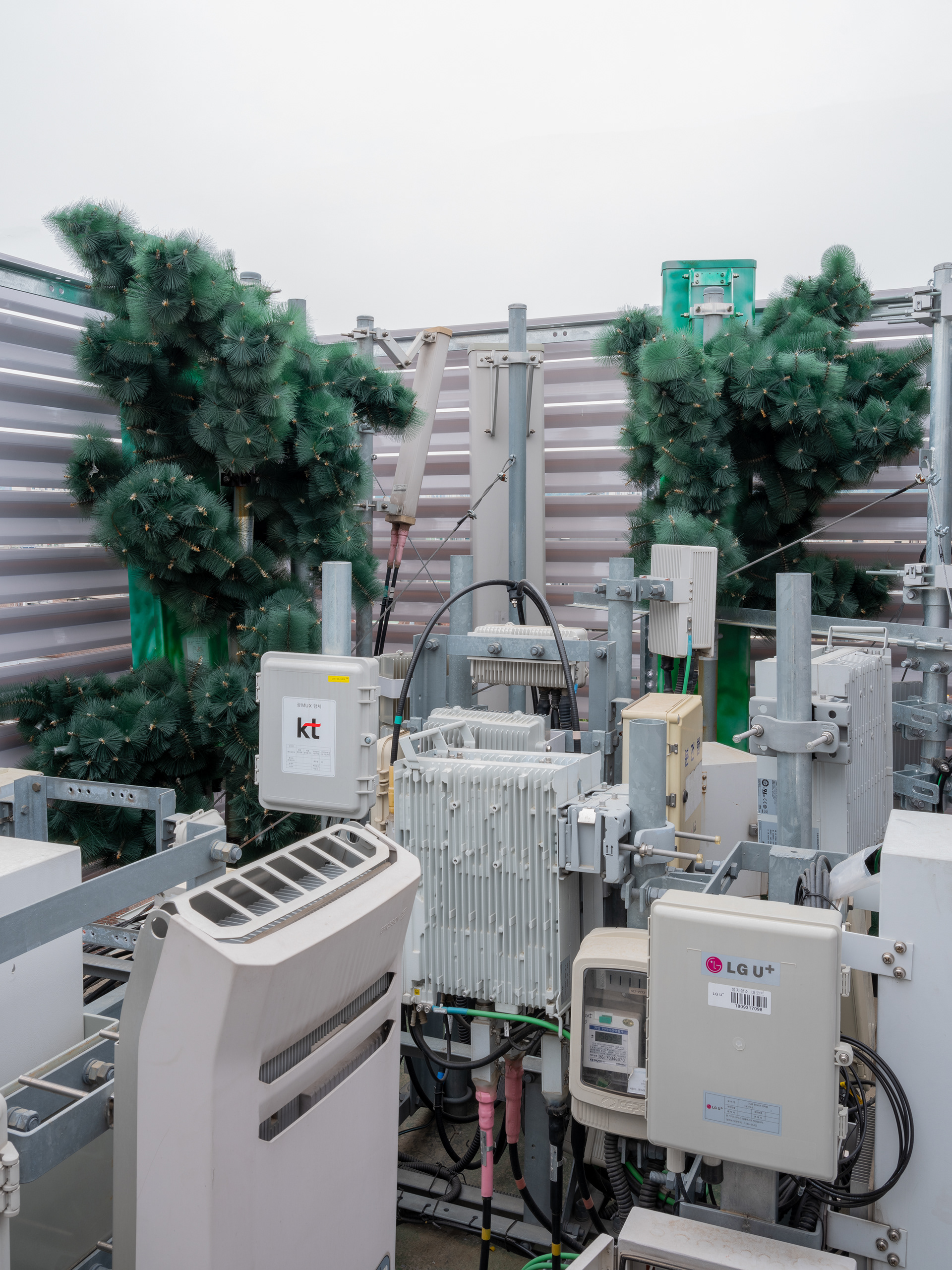
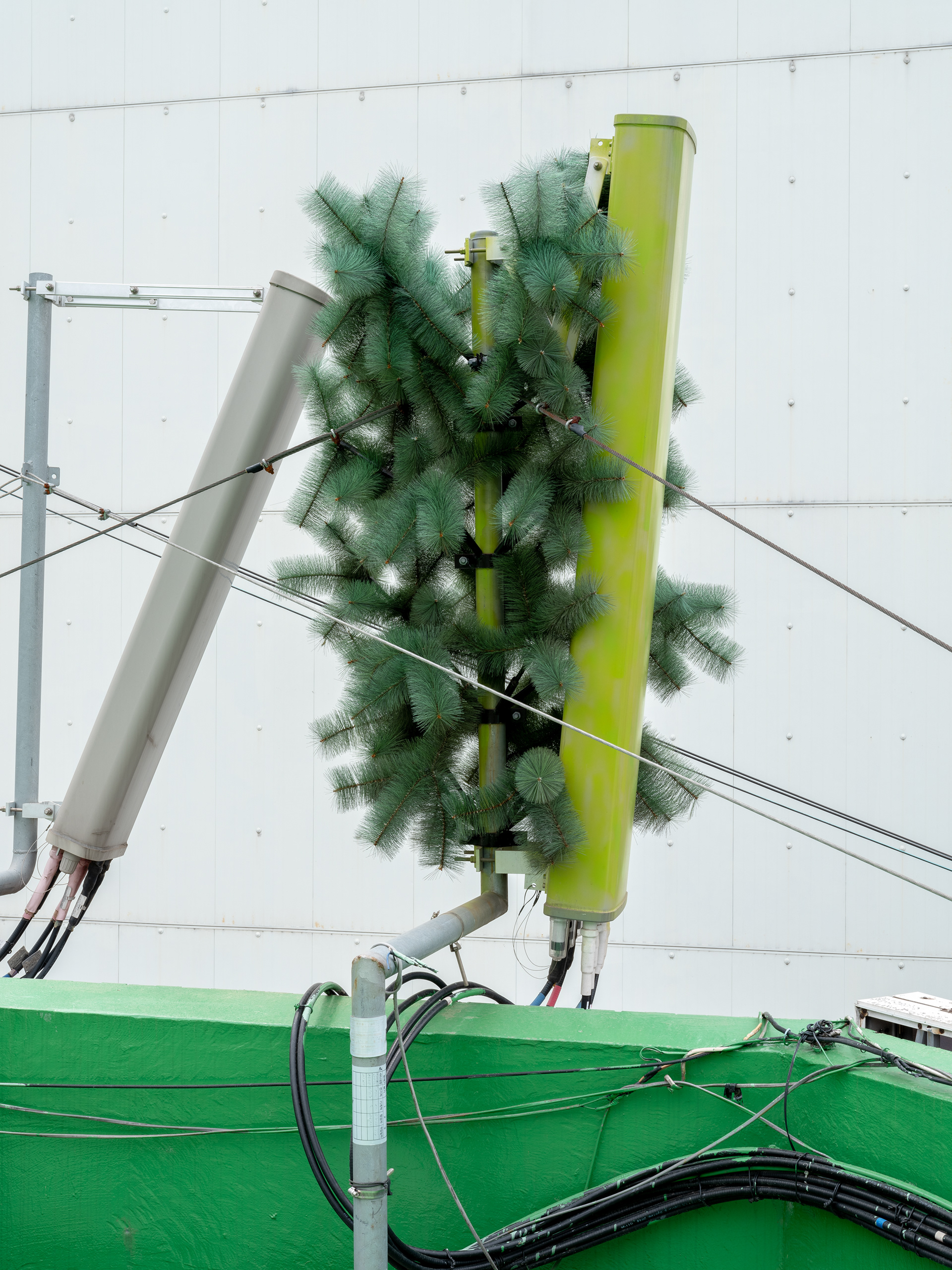
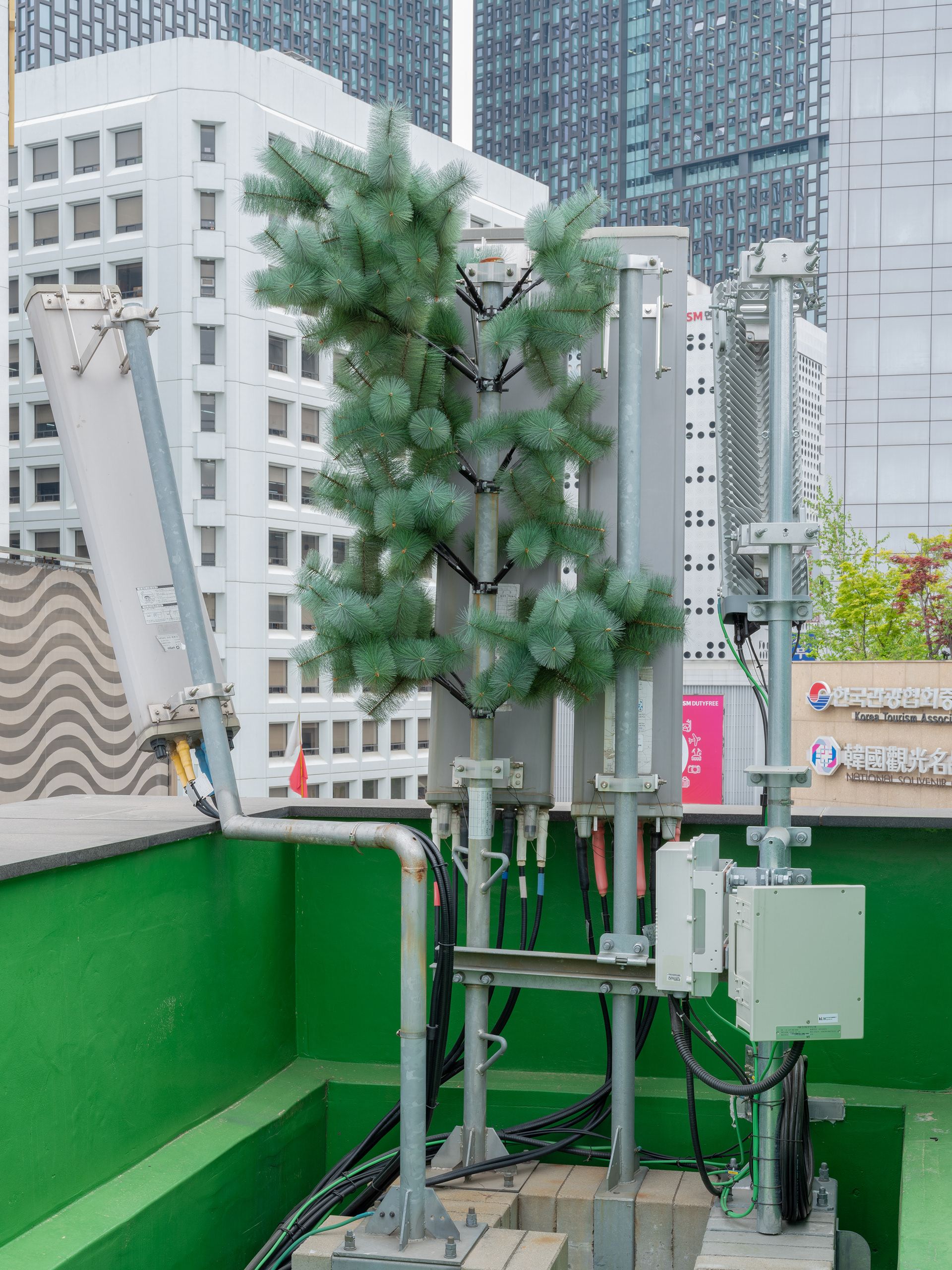
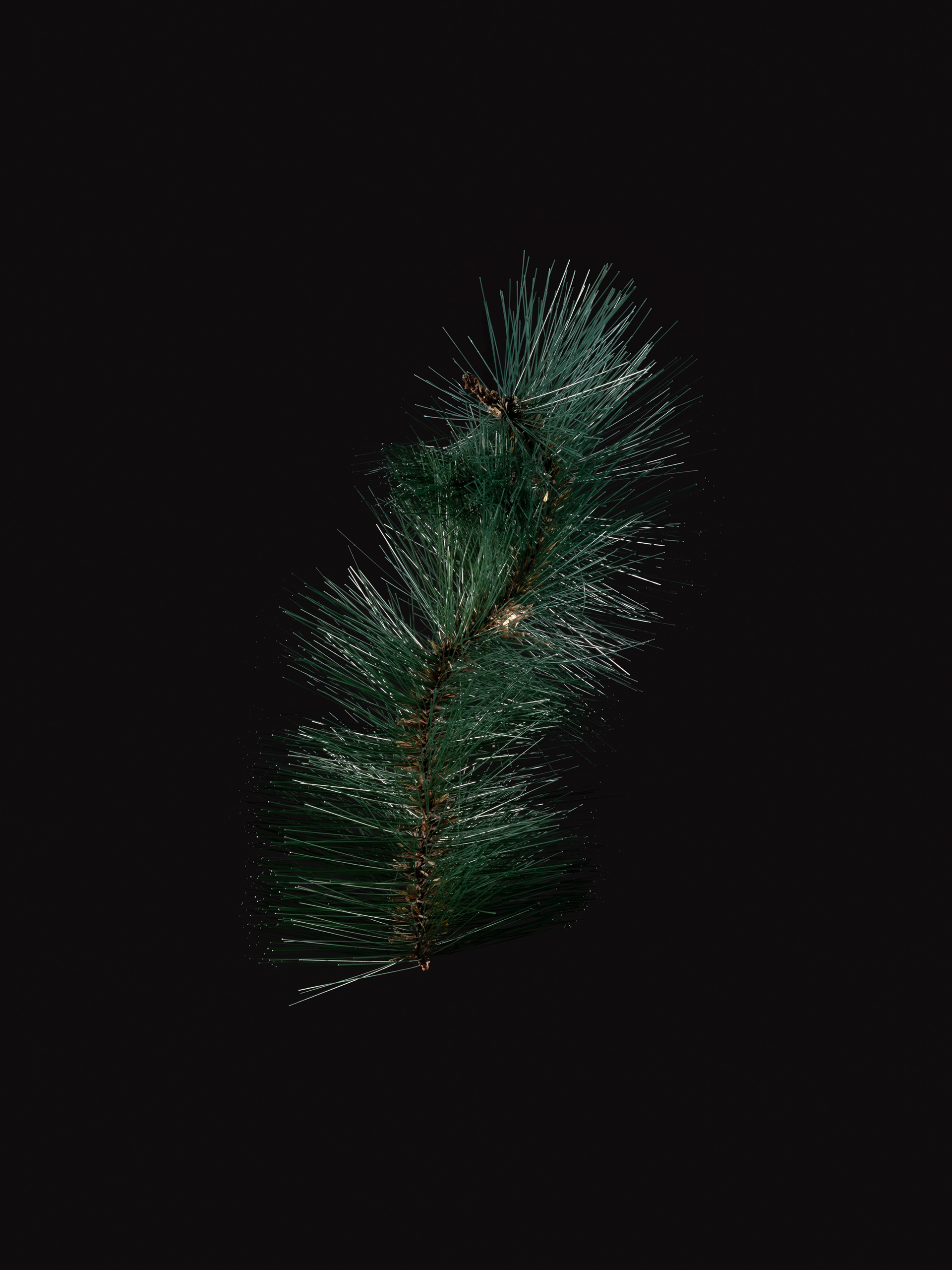
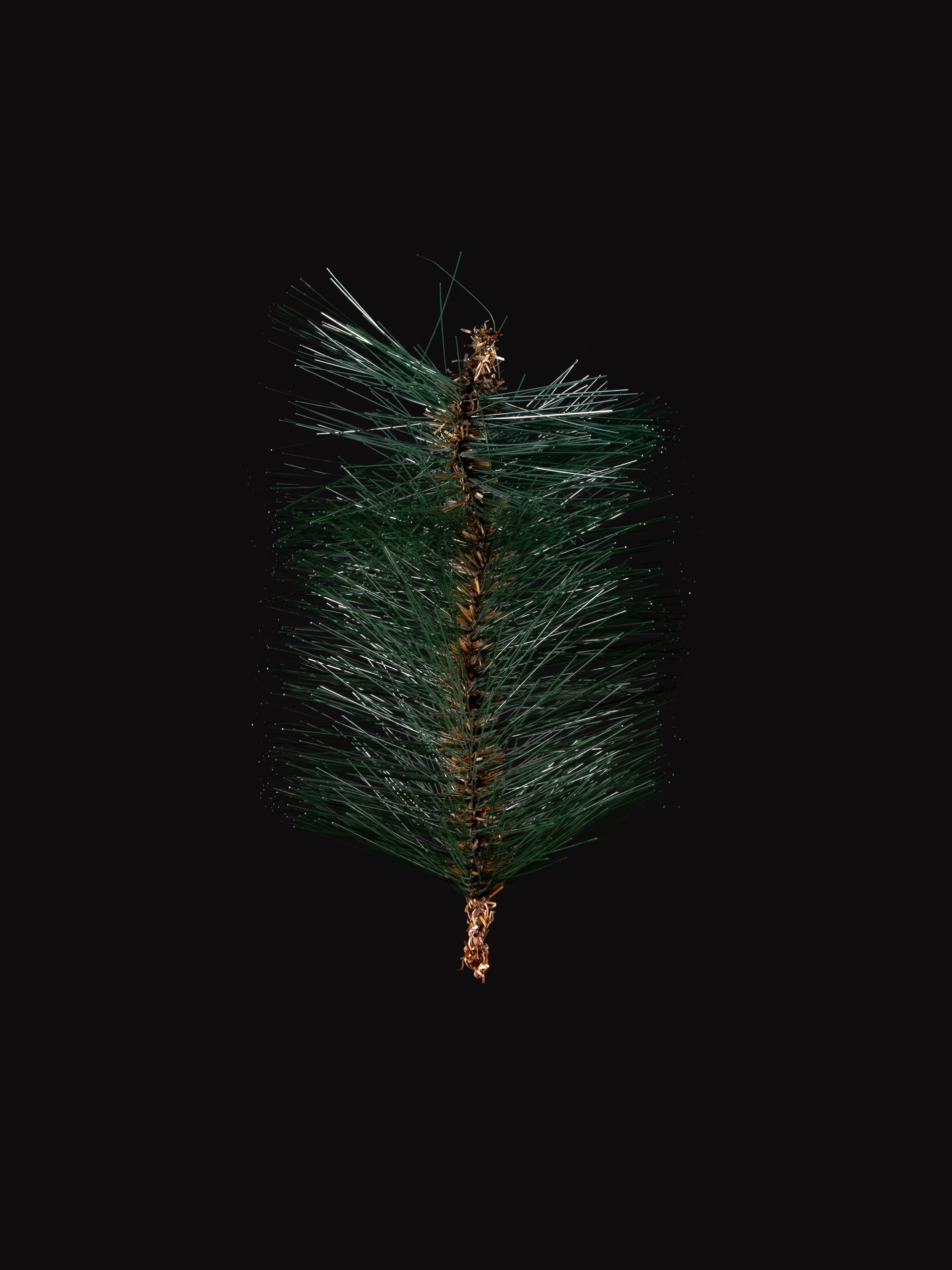
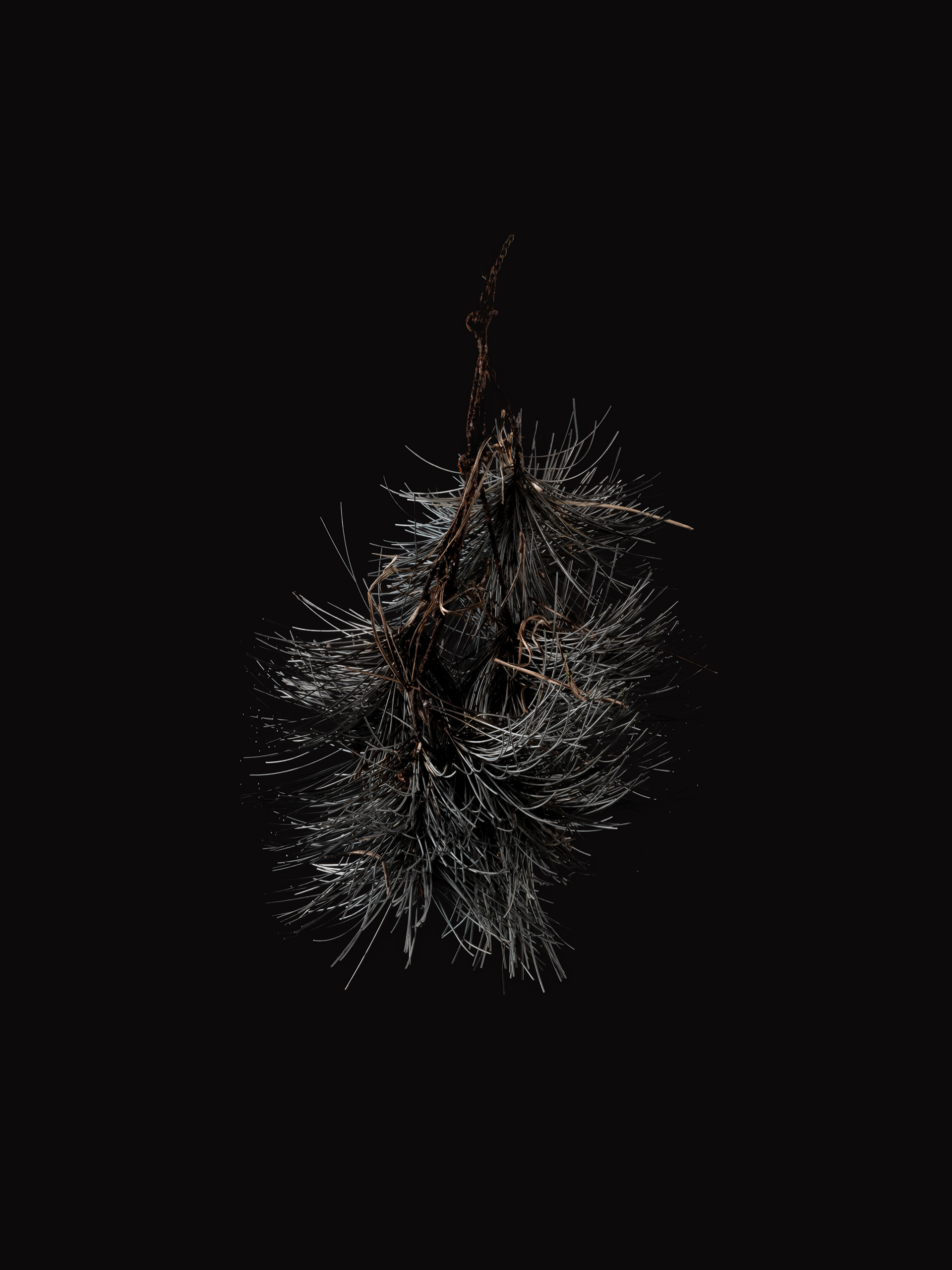
친환경적 무선설비들 역시도 순간적인 시야에선 자연처럼 느껴질 수 있으나 설비를 이루고 있는 구성요소 -도색된 철로 만들어진 나무껍질, 일정한 규격과 크기의 나뭇가지 쇠파이프, 동일한 길이의 플라스틱 나뭇잎, 직선 구조의 플라스틱 바위껍데기- 에선 단 한 조각의 자연도 없이 이들이 공정을 거쳐 생산된 대상들이고 사람이 만들어낸 인위적 자연스러움이라는 것이 여실히 드러난다.
사람들은 늘 자연을 가장 자연스러운 존재로 상정하고 거기에서 자연스러움을 유추해낸다.
자연 을 경이롭고 완벽한 가치로 만들면 만들수록 나중에 자연에서 가져오는 자연스러움의 가치는 더 커지게 된다.
그렇게 우리는 항상 자연을 자연스러운 것으로 가두어 두고는 필요할 때마다 거기 에 나름의 자연스러운 성질을 부여한다.
어쩌면 이러한 행동이 인간에게 가장 자연스러운 것은 아닐까.
뒤편엔 모래와 시멘트가루가 흩날리는 거대한 건축 현장이었지만 나무와 풀냄새가 느껴질 법한 자연의 이미지가 펼쳐져 있었다.
이번 작업의 대상들은 나무로 위장된 통신주, 장비를 넣기 위한 텅 빈 플라스틱 바위 등의 것이다.
이 대상들은 과거엔 사람들의 편의성을 위해 생겨난 필요불가결한 존재들이었기에 시선이 가지 않았던 대상들이었지만 지금의 시점에 와서는 인위적 쇳덩어리의 구조물이 사람들의 눈을 불편하게 만들기에 충분했다.
그래서 이 대상들은 미관침해와 전자파 갈등을 예방하기 위해 2011년 제정된 환경친화적 설치 명령에 따라 구조물들이 친환경의 이름으로 자연의 형상을 띄고 은폐되 어 주변과 조화를 이루고 자연환경에 대한 영향을 최소화하게끔 설치되기 시작했다.
하지만 장비 들이 설치되는 지리적 위치와 주변 환경과 조화를 이루기보단 오히려 더욱 인위적으로 느껴지는 어설픈 형태와 제작방식의 효용성에 대한 또 다른 논란이 생기게 되었다.
이 작업은 인간이 만들어낸 인위적 자연의 대상에 대한 의문이다.
왜 하필이면 친환경, 자연의 형태일까. 자연이라는 말의 뜻은 스스로 그러함이다.
그러니 자연스럽다는 말은 어떤 외부적 힘에 작용되지 않은 대상의 상태, 애초부터 그러하기로 결정된 방식 그대로의 모습으로 존재하는 것을 말하는 것이다.
하지만 자연은 언제나 한결같이 제 자리 그대로의 것이 아니었다.
자연은 때론 역사의 반대로, 기술의 반대로, 문화와 문명의 반대로 이해되며 사람이 부여하는 의미와 가치를 포함하는 대상이었다.
친환경적 무선설비들 역시도 순간적인 시야에선 자연처럼 느껴질 수 있으나 설비를 이루고 있는 구성요소 -도색된 철로 만들어진 나무껍질, 일정한 규격과 크기의 나뭇가지 쇠파이프, 동일한 길이의 플라스틱 나뭇잎, 직선 구조의 플라스틱 바위껍데기- 에선 단 한 조각의 자연도 없이 이들이 공정을 거쳐 생산된 대상들이고 사람이 만들어낸 인위적 자연스러움이라는 것이 여실히 드러난다.
사람들은 늘 자연을 가장 자연스러운 존재로 상정하고 거기에서 자연스러움을 유추해낸다.
자연 을 경이롭고 완벽한 가치로 만들면 만들수록 나중에 자연에서 가져오는 자연스러움의 가치는 더 커지게 된다.
그렇게 우리는 항상 자연을 자연스러운 것으로 가두어 두고는 필요할 때마다 거기 에 나름의 자연스러운 성질을 부여한다.
어쩌면 이러한 행동이 인간에게 가장 자연스러운 것은 아닐까.
When I was in high school, I passed a construction site where dust hung in the air and the outer walls were covered in images of a forest. Behind those walls was a vast worksite thick with sand and cement powder — but stretched across the barrier was a vision of trees and grass, the kind that made you almost expect the smell of leaves.
The subjects of this work are things like utility poles disguised as trees, and hollow plastic boulders built to conceal equipment. These were objects that once went unnoticed — necessary fixtures that existed for the convenience of people, invisible precisely because they were indispensable. But at some point, the bare metallic structures became enough to make people uncomfortable just looking at them.
And so, under an eco-friendly installation directive enacted in 2011 to prevent aesthetic harm and disputes over electromagnetic radiation, these structures began to be concealed in the name of nature — shaped into natural forms, installed to blend with their surroundings and minimize impact on the natural environment.
But a different kind of controversy took hold: rather than harmonizing with the geography and surroundings where the equipment was placed, the clumsy forms and the questionable logic of their construction made everything feel even more artificial than before.
This work is a question about the artificial nature that human beings have made.
Why nature, of all things? Why the ecological, the natural form?
The word for nature in Korean — 자연 — carries within it the meaning of that which is so of itself. To be natural, then, is to exist in a state untouched by any external force: to be exactly as it was always going to be, from the beginning.
And yet nature has never been simply a fixed, unchanging thing in its place. Nature has at times been understood as the opposite of history, the opposite of technology, the opposite of culture and civilization — a thing that contains whatever meanings and values people choose to assign it.
Eco-friendly wireless installations might, in a passing glance, feel like nature. But look at the components that make them up — bark fashioned from painted steel, branch-pipes of uniform gauge and size, plastic leaves all cut to the same length, plastic rock shells built on straight-line frames — and not a single fragment of nature remains. What is revealed, plainly, is that these are objects produced through an industrial process: an artificial naturalness, made by human hands.
People have always taken nature as the most natural thing there is, and derived their sense of the natural from it. The more nature is elevated into something wondrous and perfect, the greater the value that can later be borrowed from it — the more naturalness it has to give. And so we keep nature locked in place as the natural, and whenever we need it, we assign to it whatever quality of naturalness suits us at the time.
Perhaps that, in the end, is the most natural thing about us.
The subjects of this work are things like utility poles disguised as trees, and hollow plastic boulders built to conceal equipment. These were objects that once went unnoticed — necessary fixtures that existed for the convenience of people, invisible precisely because they were indispensable. But at some point, the bare metallic structures became enough to make people uncomfortable just looking at them.
And so, under an eco-friendly installation directive enacted in 2011 to prevent aesthetic harm and disputes over electromagnetic radiation, these structures began to be concealed in the name of nature — shaped into natural forms, installed to blend with their surroundings and minimize impact on the natural environment.
But a different kind of controversy took hold: rather than harmonizing with the geography and surroundings where the equipment was placed, the clumsy forms and the questionable logic of their construction made everything feel even more artificial than before.
This work is a question about the artificial nature that human beings have made.
Why nature, of all things? Why the ecological, the natural form?
The word for nature in Korean — 자연 — carries within it the meaning of that which is so of itself. To be natural, then, is to exist in a state untouched by any external force: to be exactly as it was always going to be, from the beginning.
And yet nature has never been simply a fixed, unchanging thing in its place. Nature has at times been understood as the opposite of history, the opposite of technology, the opposite of culture and civilization — a thing that contains whatever meanings and values people choose to assign it.
Eco-friendly wireless installations might, in a passing glance, feel like nature. But look at the components that make them up — bark fashioned from painted steel, branch-pipes of uniform gauge and size, plastic leaves all cut to the same length, plastic rock shells built on straight-line frames — and not a single fragment of nature remains. What is revealed, plainly, is that these are objects produced through an industrial process: an artificial naturalness, made by human hands.
People have always taken nature as the most natural thing there is, and derived their sense of the natural from it. The more nature is elevated into something wondrous and perfect, the greater the value that can later be borrowed from it — the more naturalness it has to give. And so we keep nature locked in place as the natural, and whenever we need it, we assign to it whatever quality of naturalness suits us at the time.
Perhaps that, in the end, is the most natural thing about us.